
What's Happening?
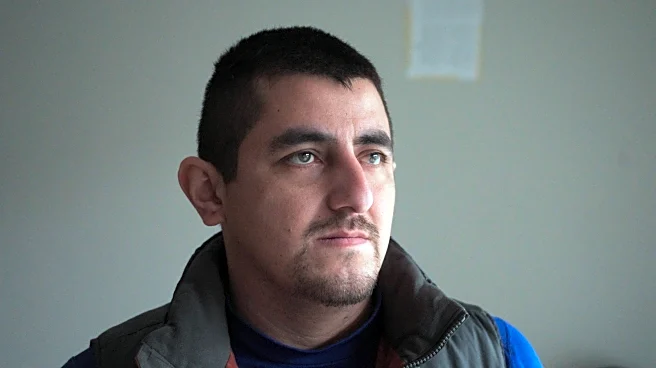
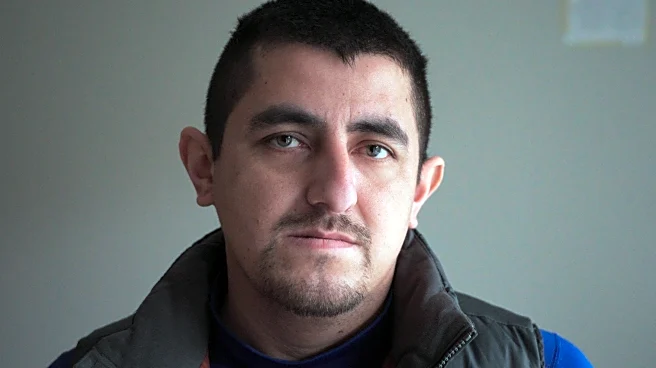
Garrison Gibson, a Liberian man residing in Minnesota, has been re-arrested by immigration authorities after a judge had previously ordered his release. The initial arrest, which involved federal agents
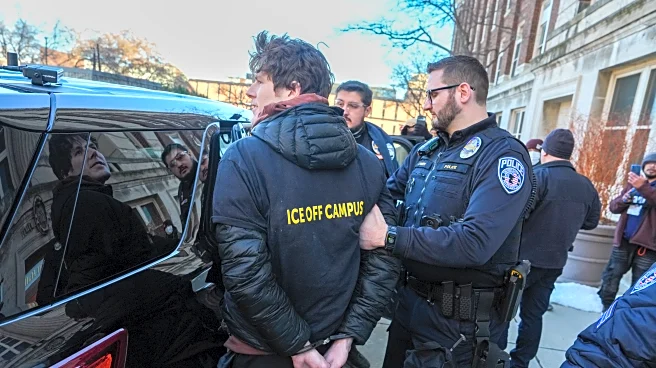
using a battering ram to enter his home, was deemed unlawful by U.S. District Judge Jeffrey Bryan. Despite this ruling, Gibson was taken back into custody during a routine check-in at an immigration office. His arrest is part of a broader immigration crackdown in Minneapolis and St. Paul, which has seen over 2,500 arrests. Gibson, who fled the Liberian civil war as a child, had been living in the U.S. under an order of supervision following a dismissed 2008 drug conviction. The situation has heightened tensions, with tribal leaders advising Native Americans to carry identification to avoid wrongful detention by immigration officers.
Why It's Important?
The re-arrest of Garrison Gibson highlights ongoing tensions between immigration enforcement and legal protections in the U.S. The case underscores the challenges faced by immigrants with legal residency status who are subject to aggressive enforcement actions. This incident also raises concerns about the rights of individuals during immigration operations, particularly in communities with significant immigrant populations. The broader crackdown in Minneapolis reflects a national trend of intensified immigration enforcement, which has significant implications for community relations and public trust in law enforcement. Additionally, the involvement of tribal leaders indicates a growing concern about the impact of immigration policies on Native American communities.
What's Next?
The legal proceedings surrounding Garrison Gibson's case are likely to continue, with potential implications for immigration enforcement practices. The Minnesota attorney general has indicated a willingness to challenge federal actions if President Trump invokes the Insurrection Act to deploy troops during immigration sweeps. Community organizers and legal advocates may increase efforts to support individuals affected by these operations, potentially leading to further legal challenges and public demonstrations. The situation may also prompt discussions on immigration policy reform and the balance between enforcement and civil liberties.
Beyond the Headlines
The case of Garrison Gibson may have broader implications for the legal framework governing immigration enforcement in the U.S. It raises questions about the use of force in arrests and the legal protections available to individuals with complex immigration histories. The involvement of tribal leaders highlights the intersection of immigration policy and indigenous rights, suggesting a need for more nuanced approaches to enforcement in diverse communities. This incident could contribute to a larger national conversation about the ethical and legal dimensions of immigration policy and its impact on marginalized groups.