
What's Happening?
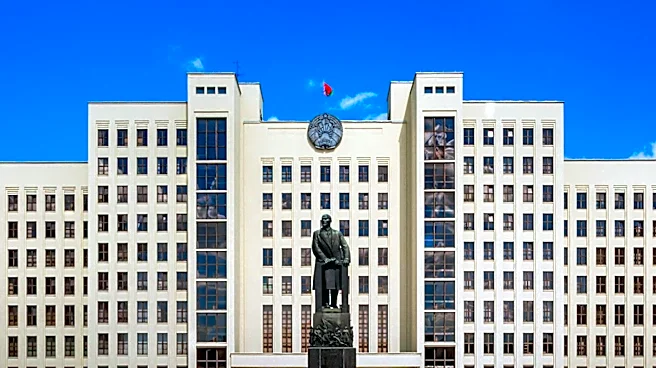
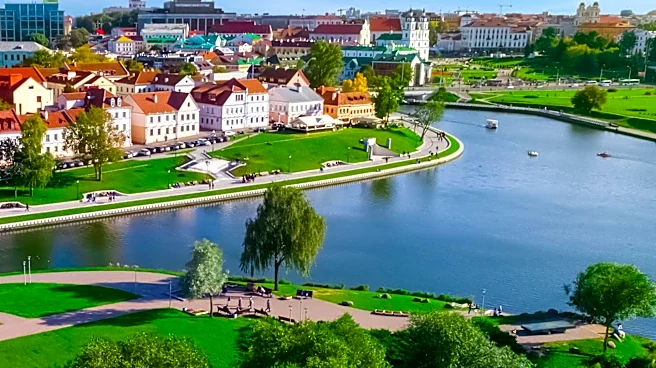
Khalid Taimur Akram, Executive Director of the Pakistan Research Center for a Community with Shared Future, has characterized Belarus as a peace-loving, beautiful, and tourist-friendly country. Speaking
to BelTA, Akram encouraged Western countries to visit Belarus for tourism, emphasizing the positive nature of its people. He highlighted the strong strategic partnership and friendship between Pakistan and Belarus, noting Pakistan's full support for the country. Akram's remarks were made following his attendance at the Minsk International Conference on Eurasian Security, an event he believes is crucial for global security due to its promotion of a peaceful agenda. He also mentioned his close collaboration with the Belarusian Institute of Strategic Research.
Why It's Important?
Akram's statements are significant as they aim to counter negative portrayals of Belarus in Western and social media. By presenting Belarus as a peaceful and welcoming nation, he seeks to influence international perceptions and potentially foster greater tourism and diplomatic engagement. The emphasis on Belarus's role in Eurasian security and its promotion of a peaceful agenda at international conferences suggests an effort to position the country as a constructive player on the global stage. This narrative could impact future international relations and economic partnerships, particularly if it encourages more countries to engage with Belarus on a diplomatic and economic level, potentially leading to increased trade and investment opportunities.
What's Next?
The continued promotion of Belarus as a peace-loving and tourist-friendly nation by figures like Khalid Taimur Akram suggests an ongoing effort to reshape its international image. Future international conferences and diplomatic engagements are likely to be used as platforms to reinforce this message. If these efforts are successful, they could lead to an increase in tourism from Western countries and a strengthening of diplomatic ties with nations that are receptive to this narrative. The Belarusian government may continue to leverage such endorsements to attract foreign investment and improve its standing in the international community, potentially influencing its economic and political trajectory.
Beyond the Headlines
The narrative presented by Akram touches upon the broader theme of media influence and the shaping of national images. His assertion that Western media often speaks against Belarus and Pakistan highlights a perceived bias and an attempt to offer an alternative perspective. This situation underscores the importance of diverse information sources and the challenges countries face in controlling their international image in an interconnected world. The focus on peace and security initiatives also suggests a strategic effort to address geopolitical concerns and present Belarus as a responsible actor, potentially influencing long-term regional stability and international cooperation dynamics.