








What's Happening?
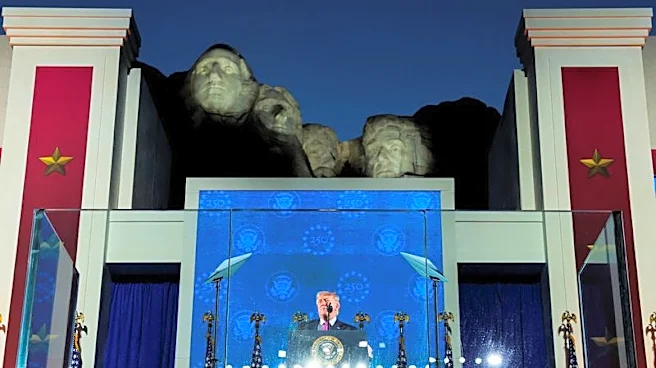
President Trump's administration has launched the Trump Accounts program, coinciding with the 250th anniversary of U.S. independence. This initiative provides U.S. citizens born between 2025 and 2028 with a government-funded investment account of $1,000.
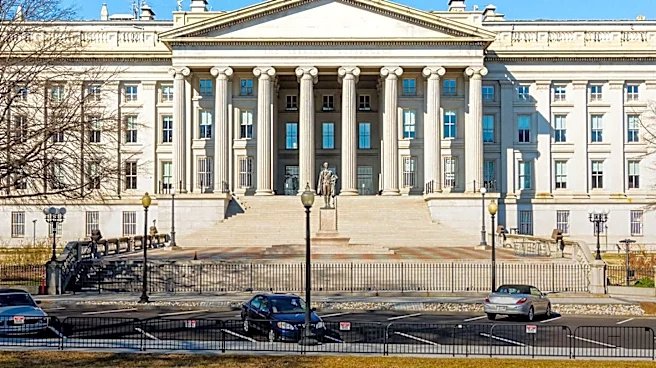
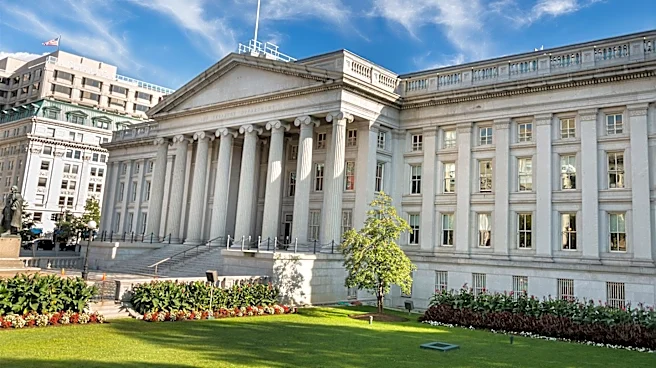
The program aims to promote financial literacy and investing from an early age. Contributions to these accounts can be made by parents, family members, employers, and charitable organizations, with a maximum of $5,000 annually on a pre-tax basis. The funds are invested in low-cost index funds, and account holders gain control at age 18. The program is administered by the Treasury Department, with Robinhood and BNY as partners.
Why It's Important?
The Trump Accounts program represents a significant policy initiative aimed at encouraging early financial literacy and investment among young Americans. By providing a government-funded starting point, the program seeks to remove barriers to saving and investing, potentially narrowing wealth gaps over time. However, its success may depend on families' ability to make regular contributions and the program's long-term market performance. The initiative has garnered support from major corporations, which could enhance its reach and impact. Critics, however, question its effectiveness in addressing poverty and wealth inequality.
What's Next?
As the program rolls out, its impact on financial literacy and wealth distribution will be closely monitored. The Treasury Department will continue to oversee the program, ensuring compliance and addressing potential fraud. The success of Trump Accounts could influence future policy decisions related to financial education and wealth-building initiatives. Additionally, the program's reception by the public and its effectiveness in achieving its goals may shape political discourse, especially in the context of upcoming elections.