


What's Happening?
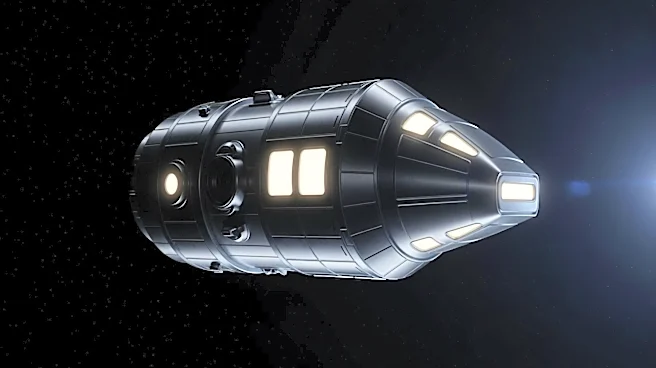
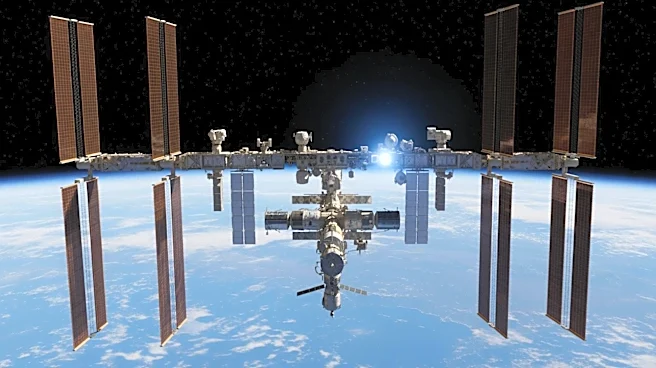
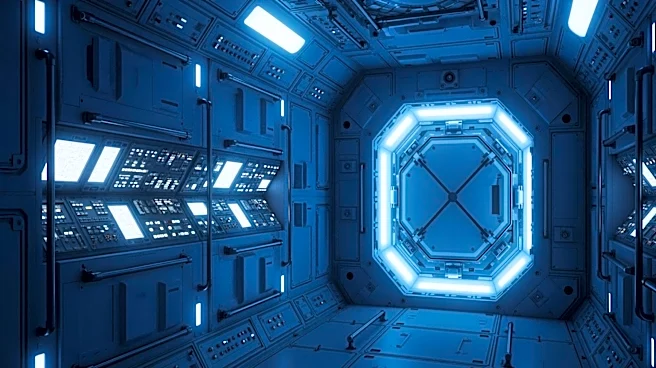
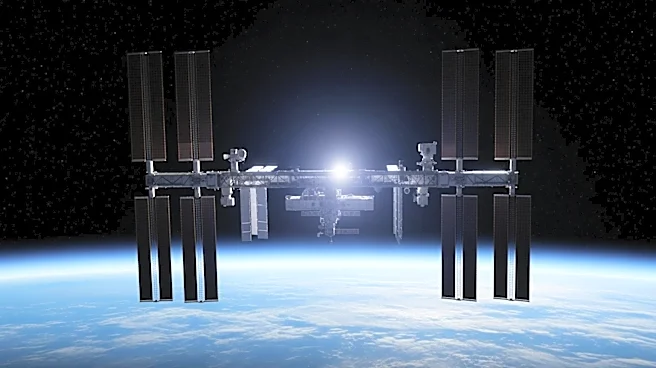
NASA instructed five crew members aboard the International Space Station (ISS) to temporarily take shelter in a SpaceX Dragon spacecraft due to air leaks detected in the Russian segment of the station. The leaks were found in the transfer tube adjacent
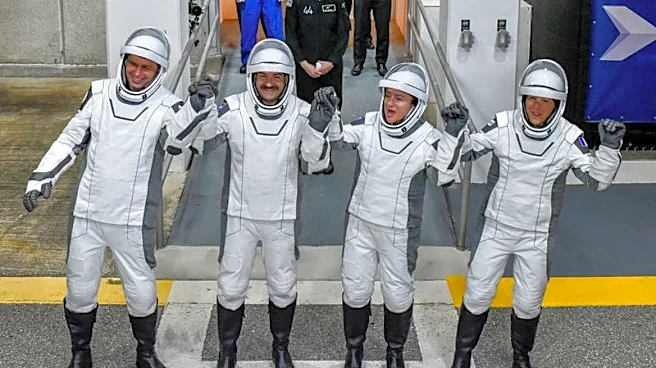
to the Zvezda service module, which serves as the primary living quarters and houses life support systems for the Russian orbital segment. The crew, including four SpaceX Crew-12 members and NASA astronaut Chris Williams, were directed to the Dragon spacecraft as a precautionary measure while repairs were underway. Russian astronauts managed to repair one of the leaks, with plans for more extensive repairs on the other. The Zvezda module has experienced ongoing air leak issues since 2019, with investigations focusing on potential causes such as structural aging and joint integrity.
Why It's Important?
The air leaks in the ISS's Russian segment highlight ongoing maintenance challenges and the aging infrastructure of the space station, which has been operational since 2000. These issues underscore the importance of international collaboration in space exploration and the need for robust contingency plans to ensure crew safety. The situation also emphasizes the critical role of private companies like SpaceX in providing emergency support and transportation for astronauts. As the ISS approaches its planned retirement in 2030, discussions about extending its operational life until 2032 are ongoing, with the aim of allowing time for a replacement to be developed. This transition period is crucial for maintaining continuous human presence in space and fostering new commercial opportunities.
What's Next?
NASA and its partners are considering extending the ISS's operational life to 2032 to bridge the gap until a new space station is ready. This extension would provide additional time for private companies to develop and launch commercial space stations, which are expected to replace the ISS. The transition to commercial space stations is anticipated to open new avenues for research and industry in space. Meanwhile, NASA and Roscosmos will continue to address the air leak issues in the Zvezda module, ensuring the safety and functionality of the ISS until its decommissioning.