
What's Happening?
Shaun Haney, a prominent figure in agriculture media, has reviewed the major agricultural stories of 2025, focusing on the challenges faced by farmers in Saskatchewan and Western Canada. The year saw a record
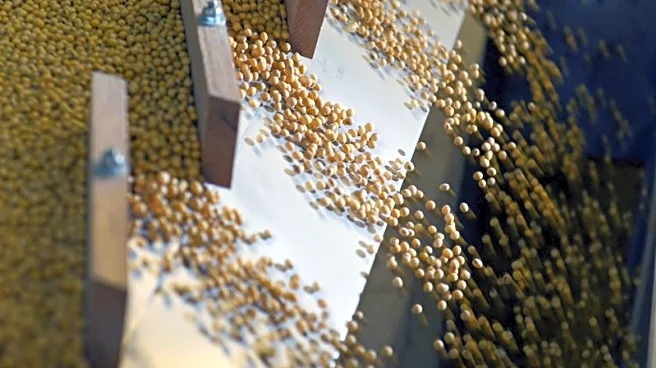
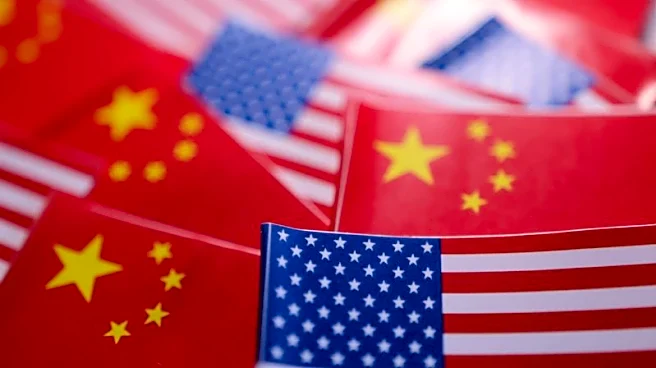
crop output, contrasting with the previous year's disappointing yields due to adverse weather conditions. Despite the improved yields, profitability remains a concern due to low prices. The beef market, however, experienced high prices, benefiting ranchers. Haney also discussed the ongoing trade tensions involving Canada, the U.S., and China, particularly concerning tariffs on agricultural goods like canola. The geopolitical landscape and climate issues continue to impact the agricultural sector, with farmers adapting to new practices to mitigate drought effects.
Why It's Important?
The agricultural sector is a critical component of the Canadian economy, and the challenges highlighted by Haney reflect broader issues affecting global agriculture. Trade tensions and tariffs can significantly impact market access and profitability for Canadian farmers, influencing their economic stability. The discussion on drought and climate adaptation underscores the need for sustainable farming practices and government support to ensure long-term resilience. The insights provided by Haney offer a glimpse into the complexities of modern agriculture, where geopolitical and environmental factors intersect, affecting farmers' livelihoods and food security.
What's Next?
As 2026 approaches, the agricultural sector will continue to navigate the challenges of trade negotiations, particularly with the upcoming review of the Canada-United States-Mexico Agreement (CUSMA). Farmers will need to stay informed about policy changes and market trends to adapt their strategies accordingly. The Canadian government may face pressure to address tariff issues and provide support to farmers affected by trade disputes. Additionally, ongoing climate challenges will require continued innovation and adaptation in farming practices to ensure sustainability and resilience against future droughts and weather extremes.