







What's Happening?
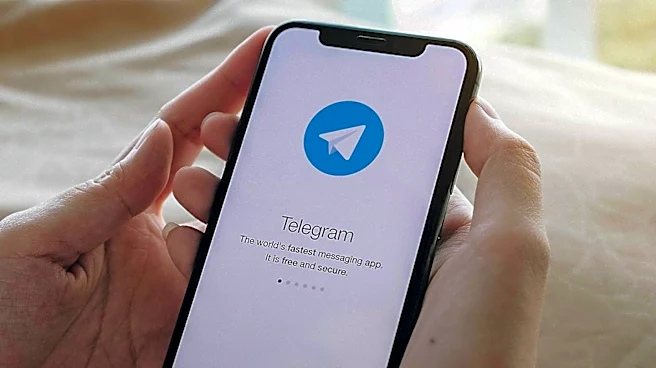
Telegram accounts function as a digital identity, linking to a phone number, profile information, contacts, and communication history. This digital presence is crucial for individuals, communities, and businesses for exchanging messages, participating
in groups, following information channels, and coordinating projects. The platform's utility has led to interest in acquiring established accounts, but experts caution that an account is more than just a username and password; it embodies accumulated relationships and information. Responsible account management involves the owner controlling the associated phone number, maintaining current authentication, setting appropriate privacy controls, and understanding recovery methods. The concept of a Telegram account as a digital identity underscores the importance of legitimate ownership and transparent management practices.
Why It's Important?
The understanding of Telegram accounts as digital identities has significant implications for digital literacy and cybersecurity in the U.S. As online communication becomes increasingly integrated into daily life, the continuity and security of digital identities are paramount. The practice of seeking 'aged' or 'established' accounts highlights a potential vulnerability, as such accounts may carry unforeseen historical data or privacy risks. For U.S. users, businesses, and organizations, this emphasizes the need for robust account management, including strong authentication and privacy settings, to protect personal and organizational data. Mismanagement or illegitimate acquisition of accounts can lead to compromised information, identity theft, and a breach of trust within online communities, affecting both individual users and the broader digital ecosystem.
What's Next?
Users are encouraged to prioritize creating and legitimately managing their own Telegram accounts rather than seeking to purchase or transfer existing ones. This involves understanding Telegram's official documentation, help resources, and privacy information to ensure secure and responsible use. Educational initiatives focusing on digital literacy, cybersecurity, and online ethics will likely continue to emphasize the importance of legitimate account ownership and management. Organizations and businesses using Telegram for communication and coordination will need to implement clear policies for account creation, access, and data handling to mitigate risks. The ongoing evolution of digital platforms will necessitate continuous learning and adaptation to new security features and privacy controls.
Beyond the Headlines
The emphasis on Telegram accounts as digital identities extends beyond mere platform usage, touching upon broader ethical and legal considerations in the digital realm. The concept of 'digital identity' itself is evolving, with implications for how individuals are perceived and interact online. The risks associated with acquiring pre-existing accounts raise questions about data provenance, consent, and the potential for impersonation or fraud. This scenario highlights the need for a more nuanced understanding of digital ownership and the ethical responsibilities that come with managing an online presence. It also underscores the ongoing challenge of balancing convenience with security and privacy in an increasingly interconnected digital world, prompting discussions about platform governance and user education.