




What's Happening?
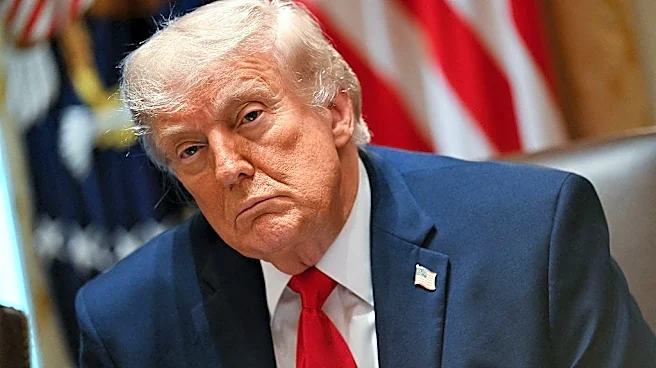
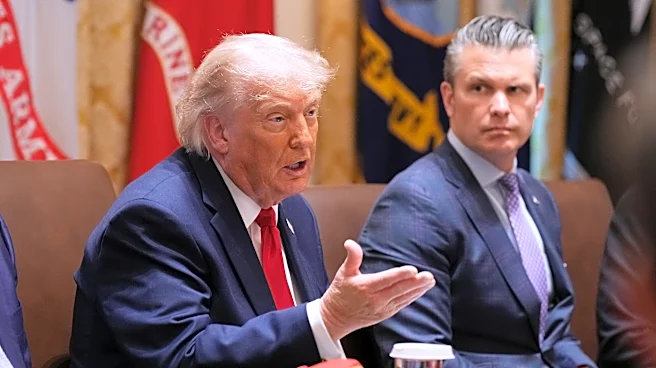
A recent poll by YouGov/The Economist reveals that President Trump's approval rating among independent voters has reached an all-time low. The poll indicates that only 21% of independents approve of Trump's performance, while 71% disapprove, resulting
in a net approval rating of -50. This decline in support among independents, who often play a crucial role in determining election outcomes, could pose challenges for the Republican Party's midterm election strategies. The poll also shows Trump's overall approval rating at 35%, with a 61% disapproval rate. These figures suggest a significant erosion of support compared to earlier in his presidency.
Why It's Important?
The declining approval ratings among independents are a concerning trend for President Trump and the Republican Party, especially as they approach the midterm elections. Independents are a key demographic that can sway election results, and their disapproval could hinder Republican candidates' chances of success. This trend may also reflect broader dissatisfaction with Trump's policies and leadership style, potentially impacting his influence within the party. If these approval ratings persist, they could have long-term implications for the Republican Party's electoral prospects and policy agenda.
What's Next?
The Republican Party may need to reassess its strategies to regain support among independent voters. This could involve addressing key issues that resonate with independents and distancing themselves from policies or rhetoric that have contributed to the decline in approval. The party's response to these poll results will be crucial in shaping its approach to the upcoming elections. Additionally, the White House may need to focus on initiatives that can improve public perception and address the concerns of independent voters.