






What's Happening?
The University of Hawaiʻi (UH) has expanded its sensory room program to all ten campuses, providing quiet and calming spaces for students to decompress and regulate emotions. This initiative, led by the UH Mānoa Center on Disability Studies’ CAMP+U project
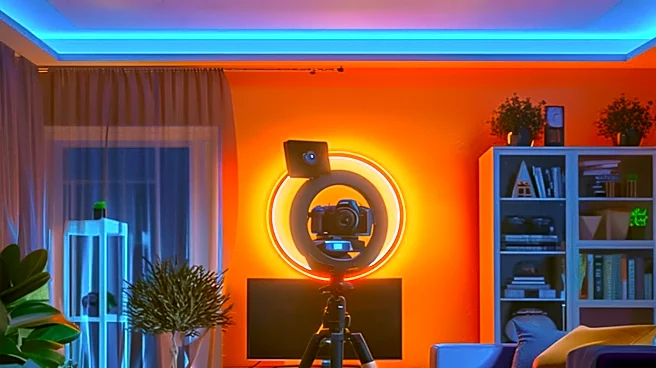
in partnership with campus offices statewide, aims to support student well-being. These sensory rooms are equipped with soft lights, fidget toys, bean bag chairs, and other items designed to help students take a break and reset from the demands of daily campus life. The program began two years ago with the first sensory room at UH Mānoa and has since grown, with each campus adapting the initiative to meet local needs, often involving disability services, student basic needs, counseling, and libraries. Portable sensory kits are also provided, offering a flexible and low-cost way to create calming environments.
Why It's Important?
The expansion of sensory rooms across the University of Hawaiʻi system is important as it addresses the growing need for mental health and well-being support in higher education. College life can be overwhelming, and providing dedicated spaces for students to manage stress, anxiety, and sensory overload can significantly impact their academic success and overall health. By offering these resources, UH is fostering a more inclusive and supportive campus environment, particularly for students with learning differences and disabilities. This initiative aligns with a broader national trend among colleges and universities to adopt sensory-informed learning environments, recognizing that meeting sensory needs can improve focus, reduce stress, and enhance a student's sense of belonging. The positive feedback from over 500 visitors, reporting reduced stress, improved focus, and increased happiness, underscores the tangible benefits of such programs.
What's Next?
The University of Hawaiʻi will continue to evaluate the impact of its sensory room initiative through ongoing research studies. Preliminary findings already indicate significant reductions in stress, anxiety, frustration, and feelings of being overwhelmed among users, along with improved focus and motivation. The success of this program may encourage other educational institutions across the U.S. to implement similar sensory-friendly spaces, further normalizing and integrating mental well-being support into campus infrastructure. The adaptability of the program, utilizing portable sensory kits, suggests a scalable model that could be adopted by various organizations beyond academia, such as airports, public libraries, and shopping centers, which have already begun to incorporate similar spaces. Continued collaboration between the CAMP+U project and campus offices will likely lead to further refinements and expansions of the program to meet evolving student needs.
Beyond the Headlines
Beyond the immediate benefits of stress reduction and improved focus, the widespread adoption of sensory rooms by the University of Hawaiʻi signifies a deeper cultural shift towards recognizing and accommodating diverse sensory needs within educational settings. This initiative challenges traditional academic environments that often prioritize cognitive functions while overlooking the importance of emotional and sensory regulation. By creating these spaces, UH is promoting a more holistic view of student success, acknowledging that well-being is foundational to learning. This move also has ethical implications, as it reinforces the idea that institutions have a responsibility to create accessible and supportive environments for all individuals, including those with sensory sensitivities or disabilities. The integration of such spaces could lead to long-term changes in campus design and policy, fostering a more empathetic and inclusive educational landscape that values individual differences and promotes mental health as a core component of academic life.