



What's Happening?
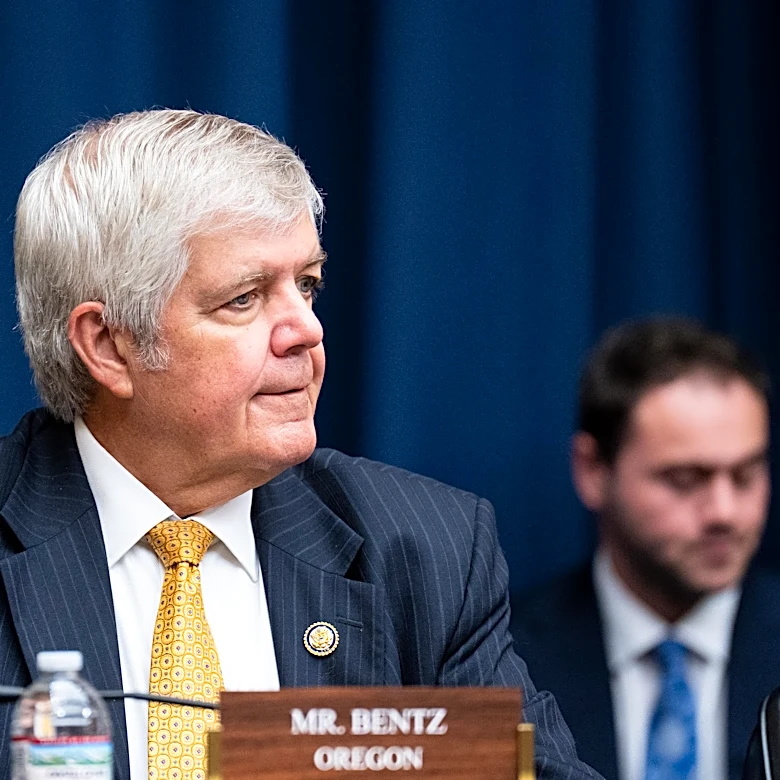
A bipartisan group of Oregon lawmakers, including U.S. Senators Jeff Merkley and Ron Wyden, and U.S. Representatives Cliff Bentz and Val Hoyle, have called on the U.S. Department of Veterans Affairs (VA) to prioritize federal funding for two critical
veterans' care projects in Oregon. The lawmakers sent a letter to VA Secretary Doug Collins ahead of Veterans Day, advocating for the construction of a proposed State Veterans' Home in Roseburg and renovations to the existing Edward C. Allworth Veterans' Home in Lebanon. The proposed Roseburg facility aims to expand long-term care options for veterans in Southern Oregon, particularly in Douglas County, which is home to an estimated 10,000 veterans. The project is currently in the preliminary stages of preconstruction. The delegation emphasized that continued investment in Oregon's veterans' care infrastructure is essential to meet the needs of the state's geographically diverse veteran population, especially in rural areas. This request is part of a broader effort by the lawmakers to fully fund the VA's Priority 1 State Home Construction List.
Why It's Important?
This bipartisan push highlights the ongoing need for enhanced veterans' care infrastructure, particularly in rural regions of the United States. The proposed Roseburg State Veterans' Home would provide crucial long-term nursing care, memory care, and rehabilitation services to an estimated 68,000 veterans across the VA Southern Oregon Healthcare System's service area, which includes several counties in Oregon and Northern California. Expanding these services is vital as the veteran population ages, with many having served during the Vietnam War era or earlier. The renovation of the Lebanon facility also ensures that existing care options remain high-quality and accessible. Securing federal funding for these projects would not only improve the quality of life for thousands of veterans and their families but also demonstrate a commitment from both state and federal governments to support those who have served. The initiative underscores the challenges states face in providing comprehensive care without significant federal partnership.
What's Next?
The immediate next step involves the VA's response to the lawmakers' request. The congressional delegation is urging the VA to work quickly and in coordination with Congress to make the necessary funding available for projects on the Priority 1 State Home Construction List. While the announcement does not guarantee construction funding for the Roseburg facility, securing federal support is a critical prerequisite for the project to advance beyond its preliminary preconstruction phase. Future actions will likely include continued advocacy from the Oregon delegation to ensure these projects receive the necessary appropriations. The VA's decision will determine the timeline for further development, including updated construction schedules and anticipated opening dates for the Roseburg home, and the commencement of renovations in Lebanon. The lawmakers' emphasis on cooperation between federal and state officials suggests ongoing collaborative efforts will be crucial for the successful implementation of these initiatives.
Beyond the Headlines
The advocacy for these veterans' homes reflects a broader national conversation about the adequacy of healthcare and long-term care services for the aging veteran population. Many veterans, particularly those in rural areas, face significant barriers to accessing specialized care due to geographic distance, limited facilities, and financial constraints. This initiative in Oregon could serve as a model or catalyst for similar efforts in other states with substantial rural veteran populations. Furthermore, the bipartisan nature of this appeal underscores a shared commitment across political divides to support veterans, which can sometimes be a rare point of consensus in contemporary U.S. politics. The long-term implications extend to public policy discussions around federal funding for state-run veterans' facilities, the equitable distribution of healthcare resources, and the ongoing responsibility of the nation to its service members. The success or delay of these projects will offer insights into the effectiveness of inter-governmental collaboration in addressing critical social needs.