










What's Happening?
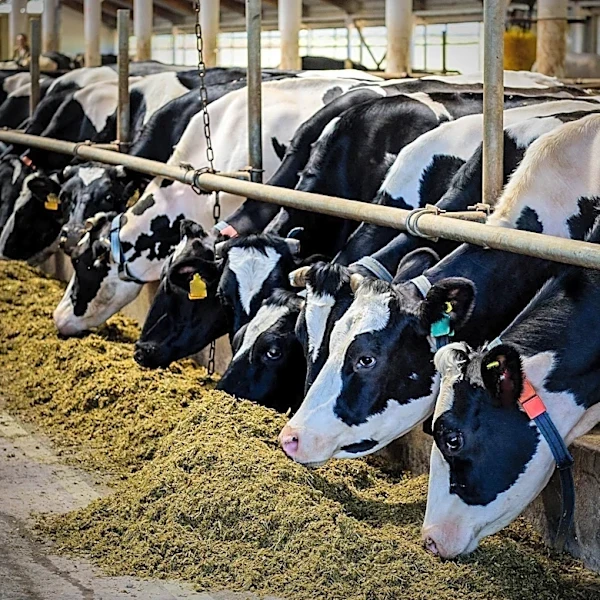
Israel is planning to increase its foreign worker quota by 100,000 by 2027 to address labor shortages in the construction and agriculture sectors. This decision follows a significant reduction in Palestinian workers due to security concerns and the departure
of foreign workers amid recent conflicts. The government aims to stabilize these sectors by recruiting workers from countries like India, Sri Lanka, and Moldova. However, the implementation faces challenges, including bureaucratic hurdles and the need for skilled labor.
Why It's Important?
The expansion of foreign worker quotas in Israel reflects broader global trends of labor mobility and the challenges of balancing economic needs with immigration policies. This move could have significant implications for Israel's economy, particularly in construction and agriculture, which are critical sectors. The reliance on foreign labor raises questions about long-term sustainability and the potential impact on local employment and wages. Additionally, the policy highlights the complexities of managing immigration in a politically sensitive region.
What's Next?
As Israel implements this policy, it will need to address logistical challenges and ensure that the recruited workers possess the necessary skills. The government may face pressure to streamline the recruitment process and improve conditions for foreign workers. Additionally, there may be calls for more comprehensive strategies to reduce dependency on foreign labor by investing in local workforce development. The success of this policy could influence future immigration and labor policies in Israel and other countries facing similar challenges.