





What's Happening?
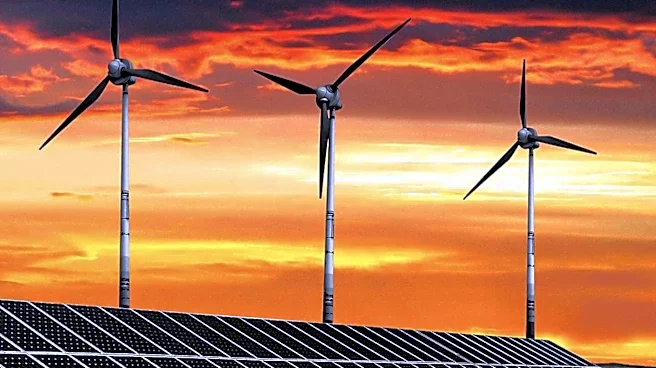
Malawi is actively pursuing the development of its significant, yet largely untapped, wind energy potential to transform its energy landscape, enhance economic resilience, and accelerate sustainable development. The country's elevated plateaus, including
the Nyika, Mulanje Highlands, and Viphya Mountains, boast mean annual wind speeds ideal for utility-scale turbines, with technical assessments indicating over 1,000 megawatts (MW) of feasible wind power potential. This capacity could supply electricity to millions of households and industries. Despite these promising figures, commercial-scale wind projects are currently sparse, with only a few pilot installations in operation. The primary hurdles include infrastructure gaps, limited investment, and policy inertia. However, growing urgency around climate change and energy access has renewed interest, attracting regional investors and development partners. International financiers, such as the African Development Bank and the Green Climate Fund, view wind energy as a cornerstone of Malawi's energy transition strategy. Early projects are projected to significantly reduce annual CO2 emissions, enhancing Malawi's appeal to green investors and development partners focused on sustainable transitions. The integration of wind energy into Malawi’s broader climate and energy strategy aligns with national commitments under the Paris Agreement and regional platforms like the Southern African Power Pool (SAPP).
Why It's Important?
The development of wind energy in Malawi is crucial for several reasons. Firstly, it offers a clean, domestically sourced alternative to imported fossil fuels, reducing the nation's reliance on volatile international energy markets and contributing to energy security. This shift aligns with regional decarbonization goals and global climate commitments, positioning Malawi as a leader in sustainable development within Southern Africa. Secondly, wind energy provides a stable and predictable power output, unlike hydropower which is vulnerable to climate-driven droughts, thereby diversifying Malawi's energy mix and enhancing grid stability. Thirdly, the scalability and modularity of wind installations allow for decentralized electrification, bringing power to remote, off-grid areas and empowering rural communities. This approach supports universal energy access, fostering economic growth and improving living standards in underserved regions. The creation of local employment opportunities during construction and long-term operational roles, along with technical training and economic spillovers, will directly benefit local populations. This community engagement is vital for project acceptance and ensures that wind energy development creates shared value, contributing to inclusive growth and reducing energy poverty.
What's Next?
Malawi's path forward in realizing its wind potential involves a coordinated, multi-stakeholder approach. The government is expected to streamline environmental and land-use permitting processes to accelerate project timelines and create a stable investment climate. This includes developing feed-in tariffs and risk-mitigation instruments to attract private investors. Strengthening grid infrastructure is also a priority to absorb variable wind output effectively, potentially through smart technology integration. Furthermore, there will be a focus on prioritizing local capacity building through vocational training in turbine installation and maintenance, ensuring that local communities are active partners and beneficiaries. International financiers will continue to de-risk projects through blended finance mechanisms and technical support. The integration of wind energy into national climate adaptation frameworks will acknowledge its dual role in energy security and emissions reduction. Community engagement will remain critical, with efforts to ensure that projects deliver lasting benefits through ownership schemes and capacity-building initiatives. The goal is to move from pilot projects to a robust pipeline of commercial-scale wind farms, transforming Malawi's natural endowment into national progress.
Beyond the Headlines
The push for wind energy in Malawi extends beyond immediate energy needs, touching upon deeper ethical and cultural dimensions. By leading a distributed energy revolution, Malawi has the potential to increase equity and resilience, ensuring that both major cities and marginalized villages benefit from clean power. This approach challenges the traditional model of massive central grids, offering a more inclusive development pathway. The emphasis on community engagement and local ownership models highlights a commitment to ensuring that technological advancements serve the people, fostering a sense of shared value and reducing potential conflicts over land use and resources. The significant reduction in CO2 emissions from early wind projects not only contributes to global climate goals but also enhances Malawi's appeal to 'green investors,' potentially reshaping its economic partnerships and investment landscape. This strategic shift could position Malawi as a model for other developing nations seeking to industrialize while pursuing climate commitments, demonstrating that economic growth and environmental stewardship can be mutually reinforcing. The long-term success hinges on overcoming systemic barriers through vision, policy, and partnership, transforming an untapped asset into a cornerstone of sustainable development.