





What's Happening?
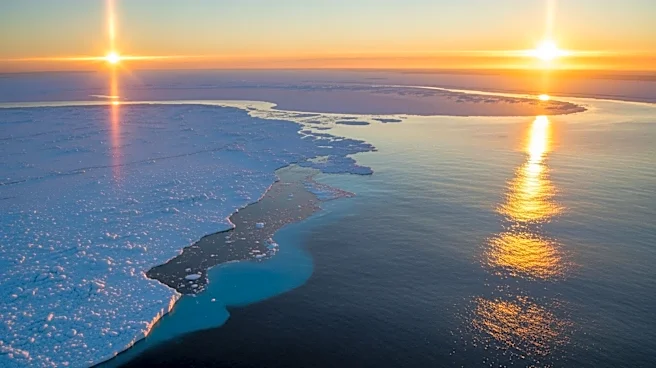
Research published in the Journal of Geophysical Research: Atmospheres has identified a connection between ice loss in the Barents Sea and the increased frequency of simultaneous summer heatwaves in Europe and eastern Asia. The study, led by Jilan Jiang
from the Chinese Academy of Meteorological Sciences, analyzed ice data and global weather patterns dating back to 1979. It found that since 2000, persistent ice loss in the northern Barents Sea has altered atmospheric circulation patterns, leading to high pressure over east Asia and unusual weather in north-western Europe. This has primed both regions for concurrent heatwaves, which are becoming more frequent due to rapid Arctic warming.
Why It's Important?
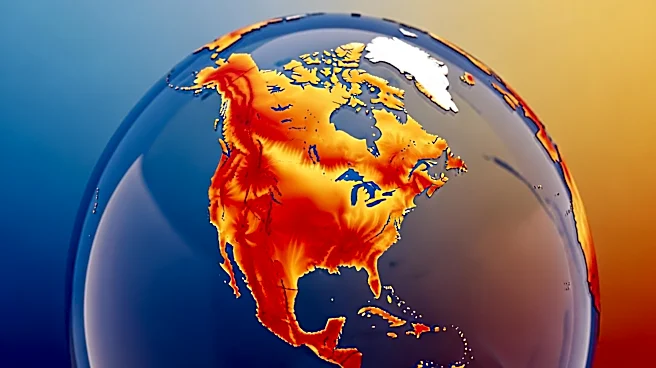
The findings highlight the far-reaching impacts of Arctic ice loss, which extends beyond local environmental changes to influence weather patterns across continents. The increased frequency of dual heatwaves poses significant risks, including potential crop failures, public health emergencies, and ecosystem damage. Understanding these links is crucial for improving early warning systems and developing strategies to mitigate the effects of extreme weather events. The study underscores the interconnectedness of global climate systems and the need for comprehensive climate action to address these challenges.
What's Next?
The research suggests that enhancing our understanding of the triggers behind these heatwaves could lead to better predictive models and early warning systems. This could help governments and communities prepare for and adapt to extreme weather events, potentially reducing their impact. Further studies may focus on refining climate models to incorporate these findings, aiding in the development of more effective climate policies and resilience strategies.