
What's Happening?
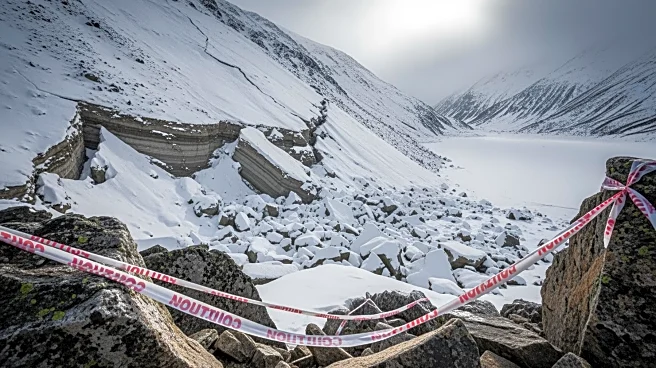
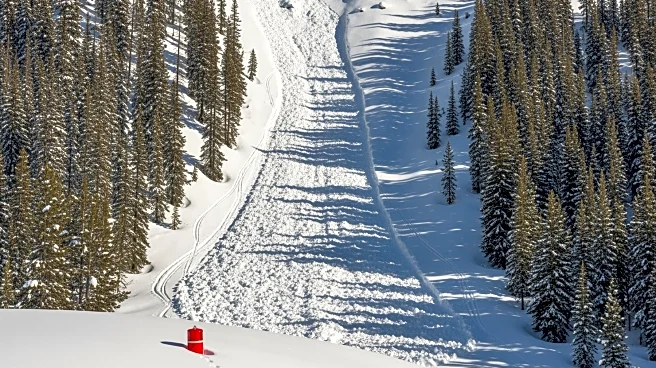
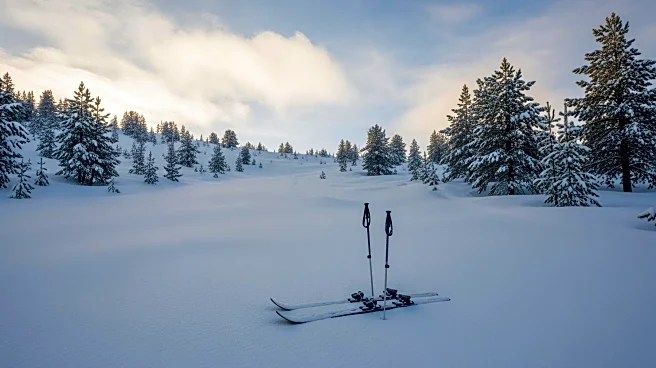
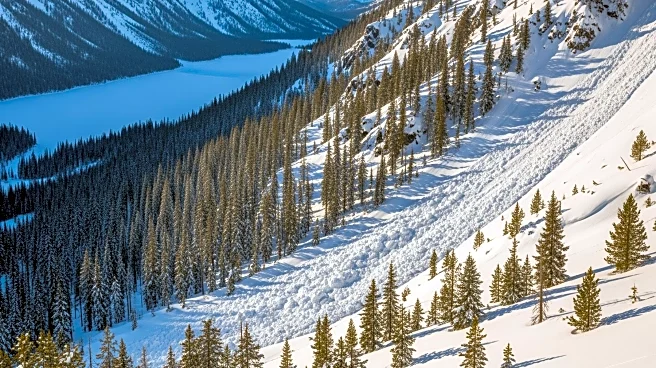
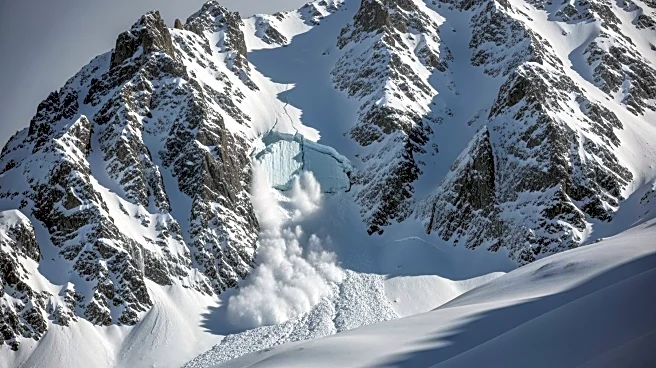
A devastating avalanche near California's Lake Tahoe has claimed the lives of six women who were part of a close-knit group of friends on a backcountry ski trip. The group, which included experienced skiers from Idaho, the Bay Area, and the Truckee-Tahoe
region, was on the final day of their three-day guided tour when the avalanche struck. Despite being equipped with avalanche safety gear and led by professional guides, the severe conditions led to the tragic event. The victims have been identified as Liz Clabaugh, Caroline Sekar, Carrie Atkin, Danielle Keatley, Kate Morse, and Kate Vitt. The incident has prompted an investigation by the California Division of Occupational Safety and Health into the tour company, Blackbird Mountain Guides.
Why It's Important?
This tragedy highlights the inherent risks associated with backcountry skiing, even for experienced individuals. The incident underscores the importance of safety measures and the unpredictable nature of avalanches, which can occur despite precautions. The loss of these women has deeply affected their families and communities, emphasizing the need for continued advancements in avalanche forecasting and safety protocols. The investigation into potential negligence could lead to changes in industry standards and practices, impacting how guided tours are conducted in hazardous environments.
What's Next?
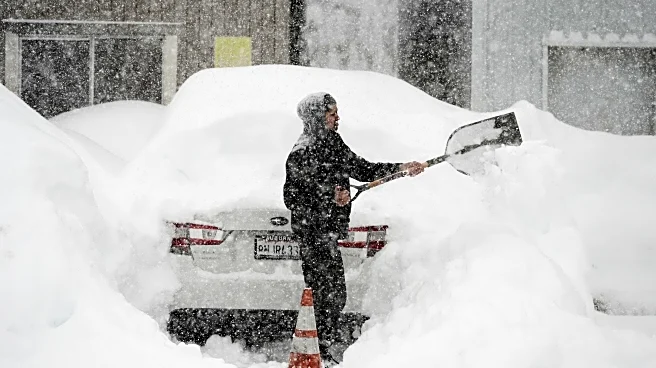
The investigation by the California Division of Occupational Safety and Health will determine if any violations occurred, potentially leading to citations or changes in regulations for guided tours. The families of the victims are seeking answers and may push for stricter safety measures in the future. Meanwhile, recovery efforts continue, hindered by ongoing severe weather conditions. A community vigil and interfaith service are planned to honor the victims, providing a space for collective mourning and support.
Beyond the Headlines
The incident raises questions about the balance between adventure tourism and safety. As more people seek outdoor experiences, the demand for guided tours in remote areas increases, necessitating robust safety protocols. The tragedy may prompt discussions on the ethical responsibilities of tour companies and the need for comprehensive risk assessments. Additionally, it highlights the emotional and psychological impact on survivors and rescuers, who face the trauma of losing friends and colleagues in such sudden and devastating circumstances.