




What's Happening?
President Trump is scheduled to meet with Ukrainian President Volodymyr Zelenskyy on the sidelines of the United Nations General Assembly in New York. During this high-stakes meeting, President Trump intends to pressure President Zelenskyy to agree to an energy
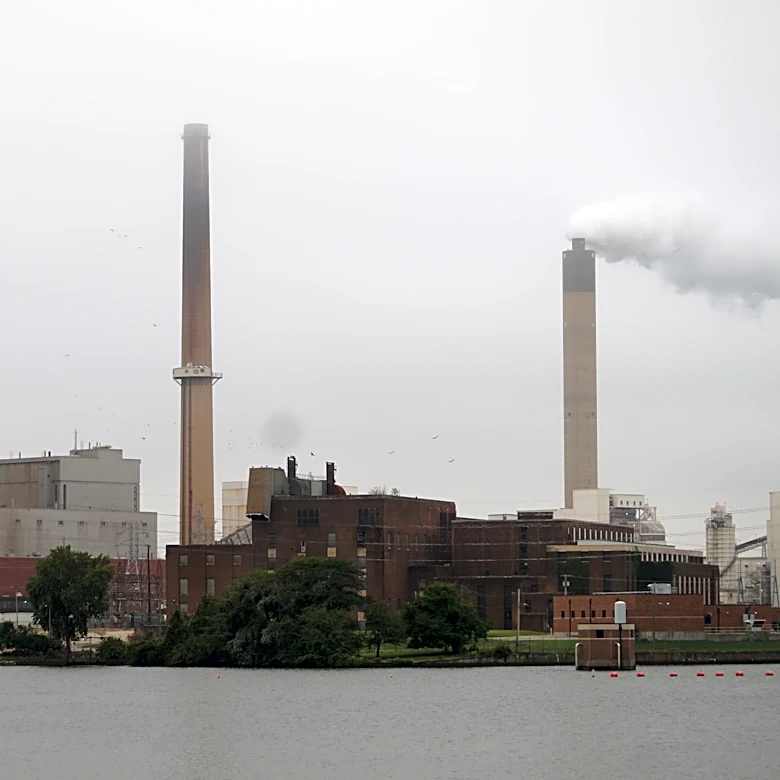
truce with Russia. President Trump stated that Russia has 'unfortunately lost control' of its diesel oil industry due to the ongoing conflict. He highlighted that a significant number of Russian diesel oil refineries have been damaged, leading to their temporary incapacitation. This meeting will also cover discussions on further air defense support for Kyiv as winter approaches, the impact of Ukrainian drone strikes on Russian oil refineries, and strategies to conclude the four-and-a-half-year conflict. President Trump has previously urged President Zelenskyy to cease targeting Russian oil refineries, arguing that such actions are 'hurting the world' by exacerbating fuel supply disruptions.
Why It's Important?
This development is significant for U.S. foreign policy and global energy markets. President Trump's push for an energy truce underscores a potential shift in the U.S. approach to the Ukraine conflict, prioritizing global energy stability alongside military support for Ukraine. The rising U.S. retail diesel prices, which have climbed above $6.50 a gallon, are directly linked to disruptions in global fuel supplies caused by the Ukraine war and the Iran conflict. An energy truce could alleviate some of these pressures, potentially stabilizing fuel prices and mitigating economic impacts on American consumers and industries reliant on diesel. However, it also raises questions about the implications for Ukraine's defense strategy and its ability to exert pressure on Russia through targeting critical infrastructure. The outcome of this meeting could influence the trajectory of the conflict and the broader geopolitical landscape, affecting alliances and energy security worldwide.
What's Next?
The meeting between President Trump and President Zelenskyy is expected to take place on Tuesday. The immediate focus will be on whether President Zelenskyy will agree to President Trump's proposed energy truce and what concessions, if any, might be offered or demanded in return. Discussions will likely continue regarding the specifics of air defense support for Kyiv and potential pathways to end the conflict. The international community, particularly European allies, will be closely watching the outcome, as any shift in U.S. policy could have ripple effects on their own strategies concerning Russia and Ukraine. Further statements from both leaders following the meeting will provide more clarity on the immediate next steps and the potential for de-escalation or continued conflict in the energy sector.
Beyond the Headlines
The call for an energy truce by President Trump highlights a complex ethical and strategic dilemma. While stabilizing global energy markets is a clear economic benefit, it could be perceived as undermining Ukraine's sovereign right to defend itself by targeting an adversary's critical infrastructure. This situation could set a precedent for how international conflicts are managed, balancing humanitarian concerns and economic stability against national defense strategies. The long-term implications could include a re-evaluation of the role of energy infrastructure in modern warfare and the extent to which external powers can influence the operational decisions of warring nations. It also brings to the forefront the debate on the effectiveness of economic sanctions versus direct military pressure in achieving geopolitical objectives, and how these strategies impact global supply chains and the daily lives of citizens far removed from the conflict zones.