
What's Happening?
Rhode Island has established a comprehensive framework for managing disruptions caused by severe weather events and other incidents in 2026. This includes detailed guidelines for state agencies, municipal
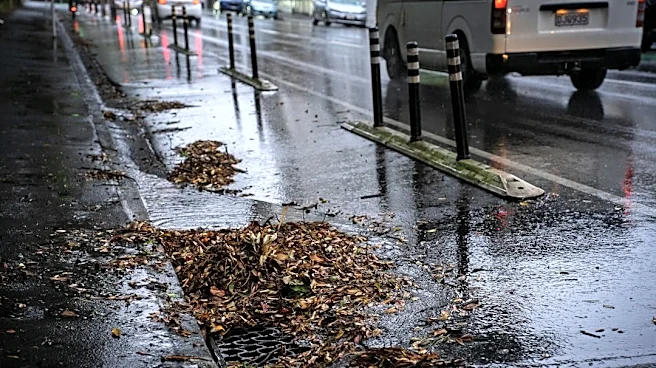
departments, and transit authorities to communicate closures and operational shifts. Key measures involve overnight parking bans in cities like Pawtucket, Woonsocket, and Cranston during major storms to facilitate snow removal by Department of Transportation (RIDOT) snowplows. Vehicles left on designated snow routes face ticketing and towing. The Rhode Island Department of Administration oversees state workforce policies, requiring essential personnel such as snowplow operators, state police, and correctional staff to report for duty regardless of weather, while non-essential administrative staff are directed to work remotely. The state portal (ri.gov) provides real-time updates on office delays, and residents are advised to monitor municipal social media for town-specific information.
Why It's Important?
These protocols are crucial for public safety and economic continuity in Rhode Island, a state particularly vulnerable to weather and mechanical failures due to its coastal geography and historic roadways. The implementation of travel restrictions and parking bans aims to reduce vehicular accidents during hazardous conditions and allow RIDOT crews to clear roadways efficiently. While these measures protect emergency responders and facilitate essential services, they can also lead to economic losses for industries like hospitality, retail, and service, as workers may miss shifts. The decentralized approach to school closures, where individual superintendents make decisions, can lead to confusion but also allows for responses tailored to hyper-local conditions. The state's reliance on hybrid digital services for administrative operations helps minimize total shutdowns during minor weather events, ensuring some level of continuity.
What's Next?
Rhode Island will continue to refine and implement these disruption protocols throughout 2026, with ongoing efforts to balance public safety with economic considerations. Residents and businesses are expected to remain vigilant in monitoring official state channels, transit authorities, and local municipal alerts for real-time updates. The state will likely continue to leverage digital platforms like ri.gov and municipal social media feeds to disseminate critical information. Future adjustments may include further integration of remote work capabilities for non-essential personnel and continued evaluation of the effectiveness of current parking ban enforcement and snow removal strategies. The state will also likely continue to coordinate closely with the National Weather Service to issue timely advisories and warnings.
Beyond the Headlines
The detailed disruption protocols in Rhode Island highlight a broader trend in state and local governance towards proactive disaster preparedness and resilience. The emphasis on clear communication channels and the distinction between essential and non-essential personnel reflect lessons learned from past emergencies, aiming to minimize chaos and maintain critical functions. The economic impact on hourly wage earners and local businesses during shutdowns underscores the ongoing challenge for policymakers to mitigate financial hardship while ensuring public safety. This framework also touches upon the evolving nature of work, with remote options becoming a standard component of emergency response, potentially influencing long-term workforce policies beyond immediate crises.