
What's Happening?
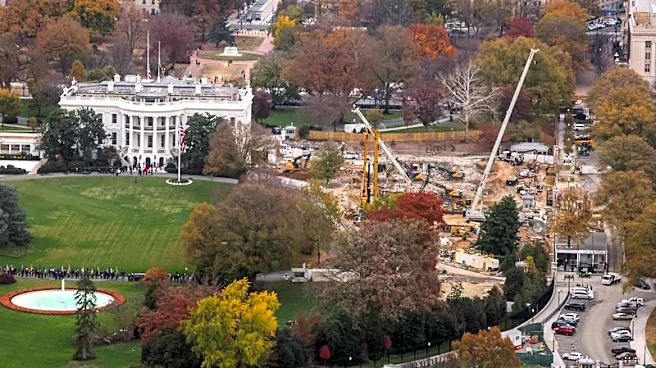
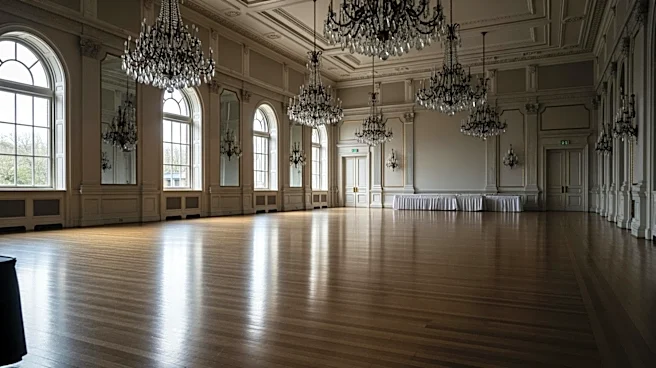
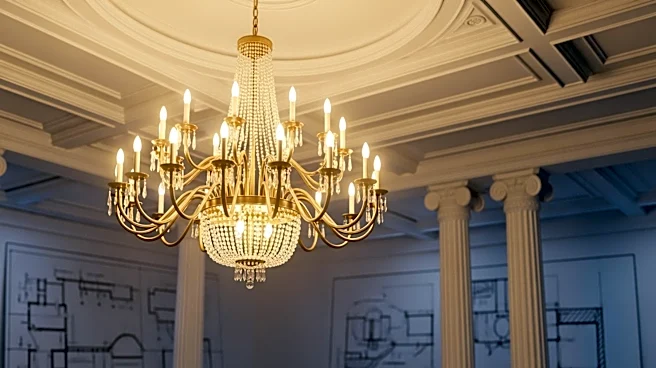
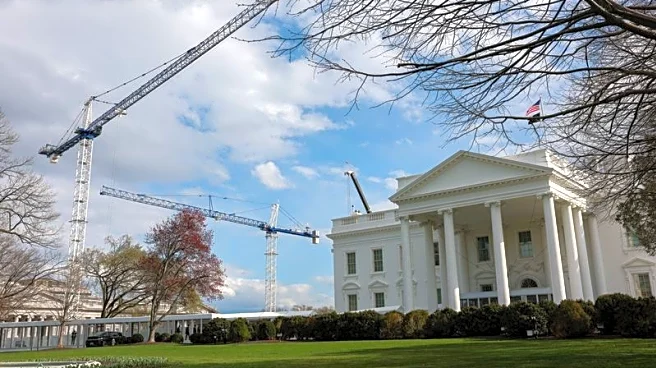
The National Capital Planning Commission, responsible for reviewing President Trump's proposed ballroom project, altered its official documentation at the request of the White House. The commission is set to vote on the project, which involves constructing
a 90,000-square-foot structure at the White House. Emails reveal that a White House staffer requested changes to soften the language regarding the commission's authority over the project. This has raised concerns about the commission's independence, as critics argue that the Trump administration is exerting undue influence over what should be an impartial process.
Why It's Important?
The situation highlights potential issues of executive overreach and the independence of federal commissions. The commission's decision could have significant implications for federal construction projects and the preservation of historic sites. The controversy also underscores the broader debate about the balance of power between the executive branch and independent regulatory bodies. If the project proceeds, it could set a precedent for future administrations to bypass traditional checks and balances in federal project approvals.
What's Next?
The commission is scheduled to vote on the project, which could either approve or halt the construction. The outcome may lead to further legal challenges, especially given the recent federal court ruling requiring congressional approval for funding the project. The decision will likely prompt reactions from historic preservationists, architects, and political leaders concerned about the integrity of federal processes. The White House has indicated plans to appeal the court's decision, suggesting that the legal battle over the project may continue.
Beyond the Headlines
The influence exerted by the Trump administration on the commission raises ethical questions about the transparency and fairness of federal project reviews. The situation may lead to calls for reforms to ensure the independence of regulatory bodies and prevent executive interference. Additionally, the project has sparked public debate about the preservation of national landmarks and the role of public input in government decision-making processes.