






What's Happening?
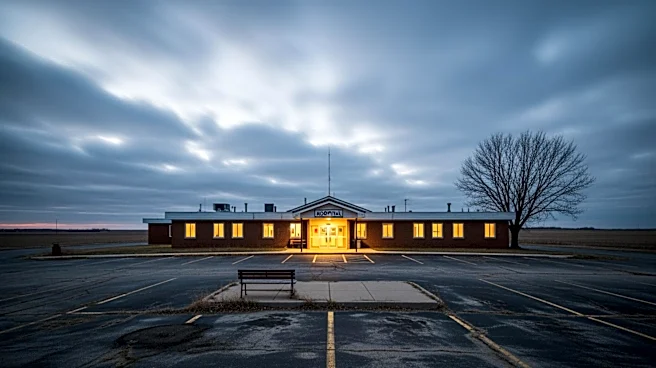
A rural hospital in Chadron, Nebraska, has closed its dialysis unit, leaving patients like Jim and Carol Wright to travel over 100 miles to receive necessary treatment. This closure is part of a broader issue where rural healthcare facilities struggle
to remain operational despite federal funding initiatives. The 'One Big Beautiful Bill' passed by Congress included over $50 billion for rural health transformation, aimed at mitigating the impact of Medicaid cuts. However, the funding is primarily allocated for new programs rather than sustaining existing services, which has left many rural facilities unable to cover operational costs. The Chadron hospital's dialysis center was losing a million dollars annually, and efforts to find a private company to take over were unsuccessful.
Why It's Important?
The closure of the dialysis unit in Chadron underscores the ongoing challenges faced by rural healthcare providers in the U.S. Despite federal efforts to support rural health through significant funding, the restrictions on how these funds can be used limit their effectiveness. This situation highlights a critical gap in healthcare access for rural populations, who often rely on local facilities for essential services. The inability to sustain existing operations could lead to increased travel burdens for patients, higher healthcare costs, and potentially life-threatening delays in treatment. The broader implications suggest a need for policy adjustments to ensure that rural healthcare facilities can remain viable and continue to serve their communities.
What's Next?
As rural healthcare providers navigate these challenges, there may be increased advocacy for policy changes that allow more flexible use of federal funds. This could involve lobbying for amendments to the current funding rules to support existing operations rather than just new initiatives. Additionally, healthcare providers might explore alternative solutions such as mobile dialysis units or home treatment options to mitigate the impact of facility closures. The ongoing situation will likely prompt further discussions among lawmakers, healthcare professionals, and rural communities to find sustainable solutions for rural healthcare access.