


What's Happening?
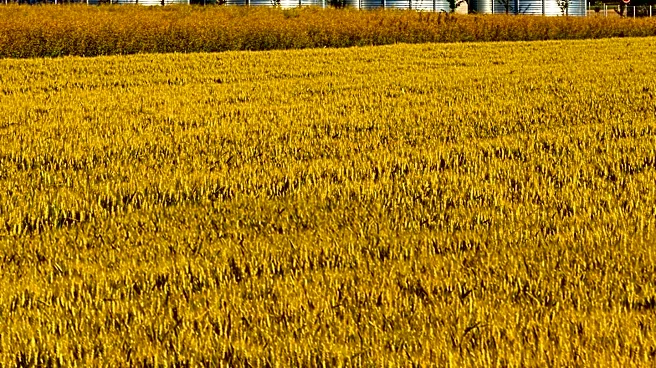
Jeremy Clarkson, known for his role in 'Clarkson's Farm', has expressed frustration over the financial challenges faced by farmers, particularly during the summer harvest. Despite working 15 to 20 hours a day on his Cotswolds farm, Diddly Squat, Clarkson claims
he receives no payment for the wheat and barley harvested. He attributes this to the government's policies and the hot summer, which he believes demonstrate a disregard for farmers. Clarkson has been vocal about the difficulties of making a profit in farming, noting that it is often cheaper to take an expensive holiday than to continue farming. He has also criticized the government's planning reforms and inheritance tax proposals, which he argues negatively impact farmers.
Why It's Important?
Clarkson's comments highlight the broader issues facing the agricultural sector, particularly the financial viability of farming in the current economic and policy environment. His critique underscores the challenges farmers face in maintaining profitability amidst government policies that may not favor agricultural interests. This situation could lead to increased pressure on policymakers to address the concerns of farmers and potentially reform agricultural policies to ensure the sustainability of farming as a livelihood. The financial struggles of farmers also have implications for food production and rural economies, potentially affecting food prices and availability.
What's Next?
The ongoing dialogue between farmers and the government may lead to policy reviews or reforms aimed at addressing the financial challenges faced by the agricultural sector. Clarkson's public platform could amplify these issues, prompting further discussions and potential advocacy for change. Farmers and agricultural organizations may continue to lobby for more supportive policies, while the government may need to balance these demands with other economic and environmental considerations.