








What's Happening?
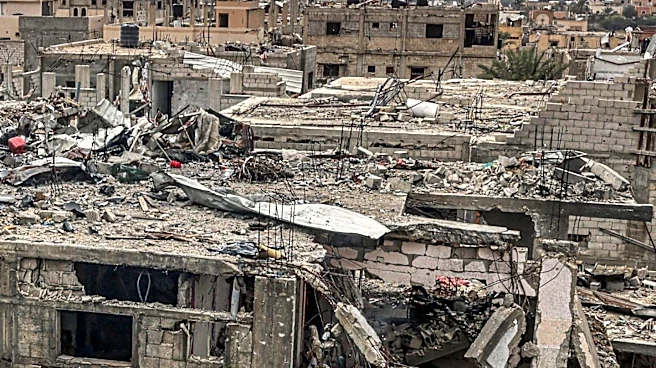
Gaza's agricultural sector has been severely impacted by ongoing conflict, with over 94% of its farmland destroyed. This devastation has led to a significant decrease in local food production, raising the risk of famine. Displaced farmers are now cultivating
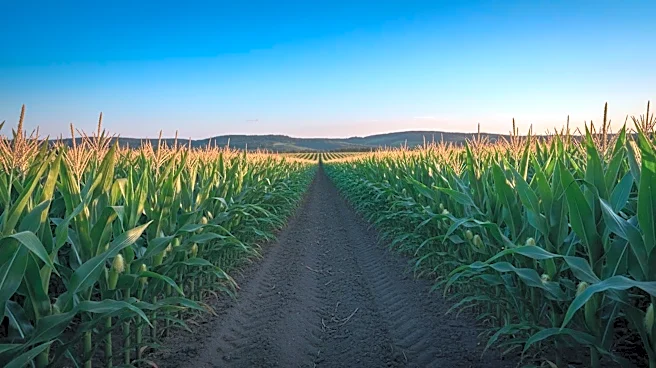
small gardens beside their tents as a means of survival. The destruction of greenhouses and water infrastructure has halted local food production, according to Beth Bechdol, FAO's Deputy Director-General. Joint assessments by the FAO and the UN Satellite Centre indicate that less than five percent of Gaza's cropland was available for cultivation by May 2025. The collapse of agriculture, which once accounted for about 10% of Gaza's economy, has deepened food insecurity for over two million people.
Why It's Important?
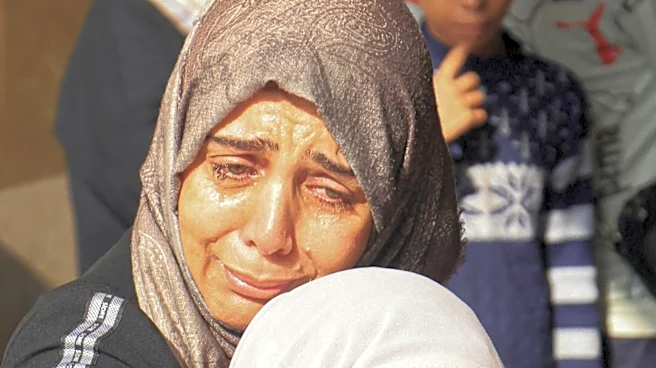
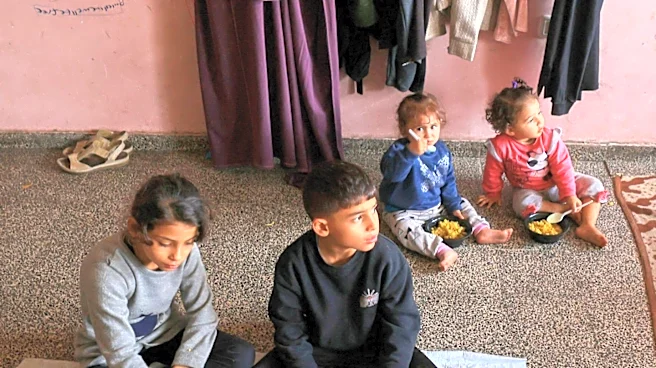
The collapse of Gaza's agricultural sector has significant implications for food security and economic stability in the region. With agriculture previously supporting over 560,000 people, its destruction has left many without livelihoods, increasing dependence on humanitarian aid. The loss of local food production exacerbates hunger and malnutrition, posing a humanitarian crisis. The situation highlights the vulnerability of agricultural systems in conflict zones and the broader impact on regional stability. The destruction of infrastructure and farmland also underscores the challenges of rebuilding and the need for international support to restore food production capabilities.
What's Next?
Efforts to rebuild Gaza's agricultural sector face significant challenges, including securing funding and resources. The FAO has appealed for $75 million to assist farmers with seeds, irrigation equipment, and other essentials, but less than 10% of the required funding has been secured. The ongoing conflict and designation of large areas as military zones further complicate efforts to return to former farmlands. International organizations and governments may need to increase support to prevent a worsening humanitarian crisis. The resilience of displaced farmers, who continue to cultivate small gardens, offers a glimmer of hope for recovery.
Beyond the Headlines
The destruction of Gaza's agricultural sector raises ethical and legal questions about the impact of conflict on civilian infrastructure and livelihoods. The systematic targeting of agricultural resources may constitute a violation of international humanitarian law, which protects civilian objects. The long-term implications include potential shifts in regional food security dynamics and increased reliance on international aid. The resilience of Gaza's farmers, who continue to cultivate despite adversity, highlights the cultural significance of agriculture and the determination to preserve a way of life.