







What's Happening?
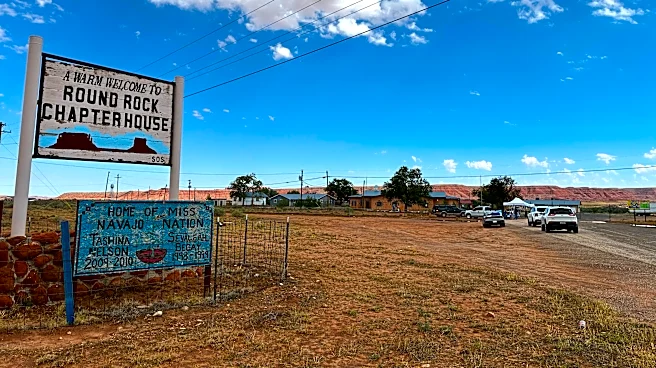
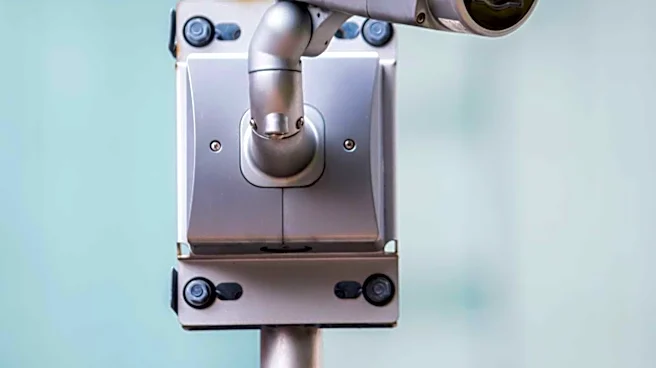
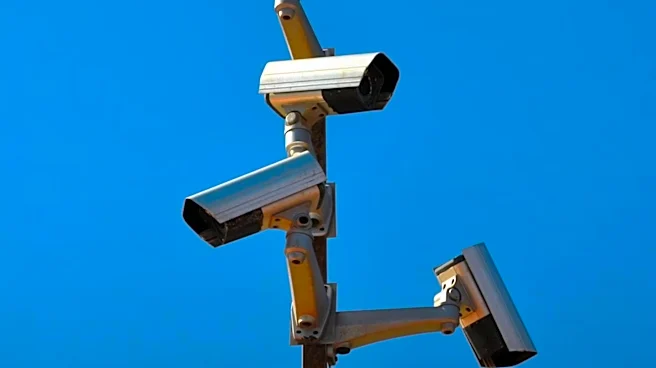
The Navajo Nation has announced a partnership with Flock Safety to deploy license plate reader cameras across its vast land, which spans approximately 27,000 square miles across Arizona, New Mexico, and Utah. This initiative aims to address the public
safety challenges faced by the Navajo Nation, which is one of the most underserved regions in the United States. The cameras will assist the Navajo Department of Criminal Investigation and the Navajo Nation Police Department in solving crimes and locating missing persons. The deployment comes amid a broader debate over the use of mass surveillance and license plate reader technology in Arizona. While Flock Safety's technology is used by over 60 law enforcement agencies in the state, it has faced scrutiny from privacy advocates and some local officials.
Why It's Important?
The deployment of license plate reader cameras is significant as it addresses the critical public safety needs of the Navajo Nation, where response times can exceed an hour due to the vastness of the area and limited police resources. Indigenous communities, including the Navajo Nation, face disproportionately high rates of crime, including a murder rate for Indigenous women that is up to ten times the national average. The use of this technology could enhance the effectiveness of law enforcement in these areas. However, the initiative also raises concerns about privacy and the potential for misuse of surveillance technology, which has been a contentious issue in Arizona and beyond.
What's Next?
As the cameras are deployed, it is likely that there will be continued discussions and possibly legislative efforts to establish standards for the use of license plate reader technology. The Navajo Nation has warned that tampering with the cameras is a criminal offense, indicating a commitment to maintaining the integrity of the system. Meanwhile, Flock Safety has expressed support for legislation that would create guidelines for the use and sharing of data collected by these systems, suggesting that regulatory developments could shape the future use of this technology.