
What's Happening?
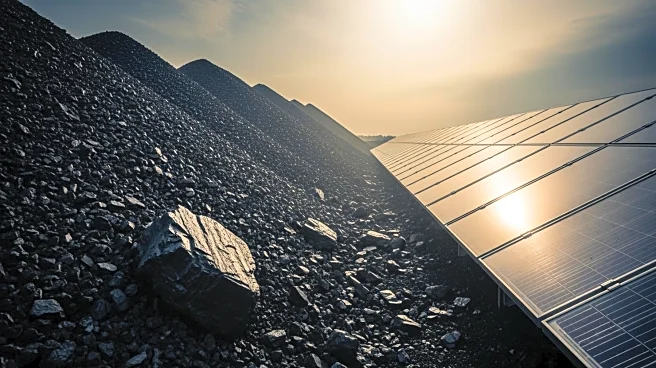
Southeast Asia's demand for coal is increasing rapidly, posing challenges to the region's renewable energy transition efforts. According to a report by the International Energy Agency, regional coal demand is expected
to rise by over 4% annually through the decade, driven by growing electricity needs. Indonesia and Vietnam are significant contributors to this trend, despite international agreements aimed at supporting their shift to renewable energy. The continued reliance on coal is attributed to concerns over energy security and cost, with governments hesitant to phase out fossil fuels entirely.
Why It's Important?
The rising coal demand in Southeast Asia highlights the complex balance between economic growth and environmental sustainability. As the region grapples with the impacts of climate change, the reliance on coal could undermine global efforts to reduce carbon emissions. The situation underscores the need for strategic investments in renewable energy infrastructure and international support to facilitate a smoother transition. The decisions made by Southeast Asian countries will have significant implications for global climate goals and regional energy security.
What's Next?
The region's energy policies may face increased scrutiny and pressure from international stakeholders to accelerate the transition to renewable energy. There may be calls for enhanced financial and technical support to help countries like Indonesia and Vietnam overcome the economic and infrastructural challenges of reducing coal dependency. The success of these efforts will be crucial in determining the region's ability to meet its climate commitments and ensure sustainable economic growth.