







What's Happening?
Montana State University's Northern Agricultural Research Center in Havre recently hosted its annual summer field day, showcasing a range of projects aimed at enhancing agricultural practices. The event attracted producers from across north-central Montana,
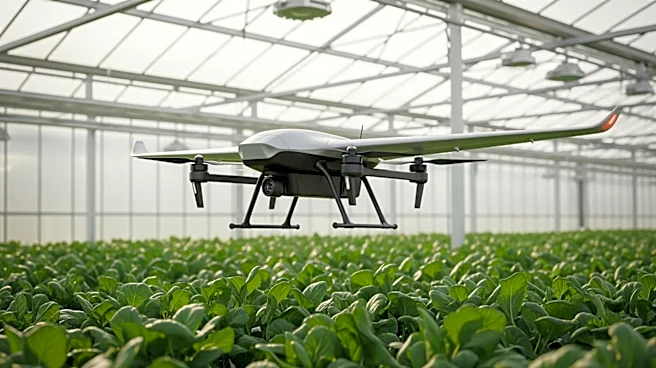
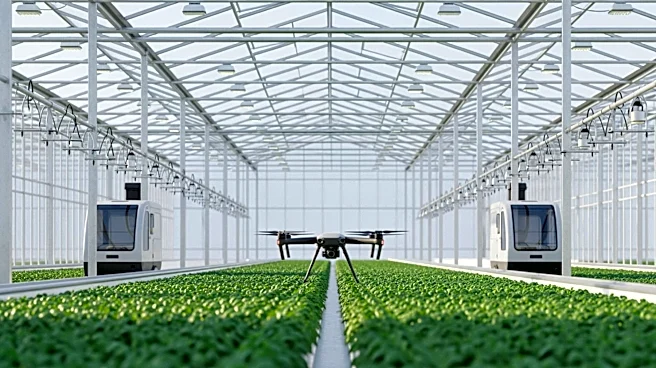
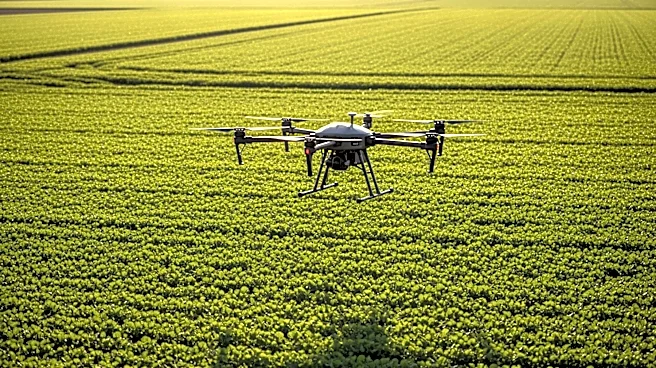
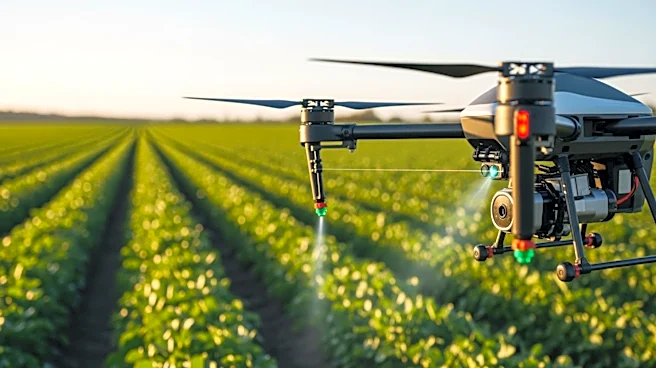
offering them insights into the latest research and technological advancements. Highlights included demonstrations of drones, artificial intelligence, and precision agriculture tools, all designed to help farmers make informed decisions. The center's focus is on transforming research into practical solutions, as evidenced by its impact on local mustard production. The event also featured the university's mobile Technology Education and Agricultural Collaboration Hub (TEACH) trailer, which displayed technologies like 3D printing for equipment parts, potentially reducing downtime during critical farming periods.
Why It's Important?
The research and innovations presented at the Northern Agricultural Research Center are crucial for the future of farming in Montana and beyond. By integrating cutting-edge technologies such as drones and AI, farmers can optimize crop management, reduce waste, and increase yields. This not only enhances the economic viability of farms but also contributes to sustainable agricultural practices. The ability to produce equipment parts on-site with 3D printing further supports operational efficiency, minimizing disruptions during planting and harvest seasons. Such advancements are vital for maintaining competitiveness in the agricultural sector, particularly in regions like Montana where farming is a significant economic driver.
What's Next?
The ongoing research and development at the Northern Agricultural Research Center are expected to continue influencing farming practices in Montana. As these technologies become more accessible, farmers are likely to adopt them more widely, leading to broader changes in agricultural operations. The center's efforts to disseminate research findings to producers ensure that innovations do not remain confined to academic settings but are implemented in real-world scenarios. Future field days and similar events will likely continue to play a key role in bridging the gap between research and practical application, fostering a culture of innovation in agriculture.