


What's Happening?
The ongoing conflict involving the U.S. and Israel against Iran has significantly disrupted global trade routes, particularly affecting air and sea freight. The conflict has led to the closure of several international airports in the region, including
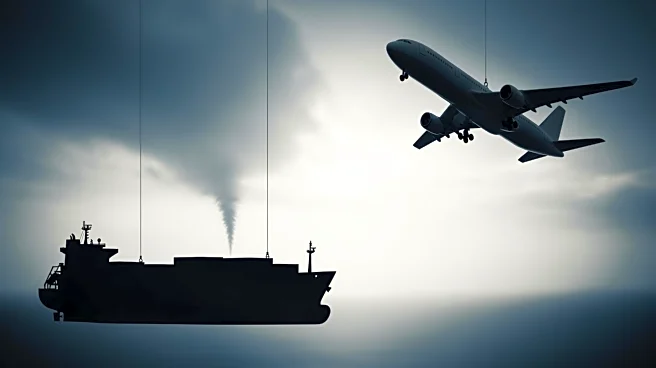
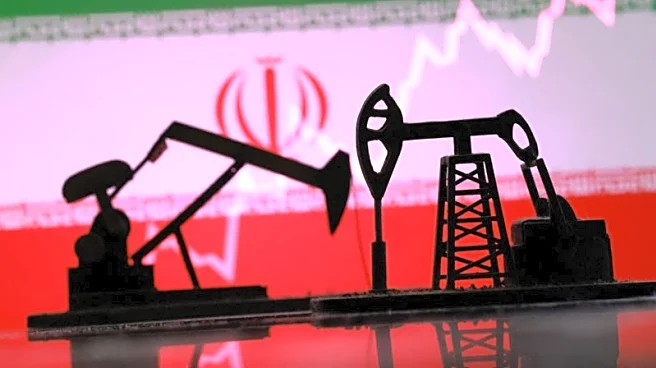
Dubai, which is one of the world's busiest. This has resulted in a substantial reduction in global airfreight capacity, affecting the shipment of consumer electronics, pharmaceuticals, and precious metals. The cost of shipping goods by air from Asia to Europe has increased by 45%, while the impact on shipments from Asia to the U.S. has been less severe. The conflict has also led to a near-blockage of oil shipments through the Strait of Hormuz, causing a spike in jet fuel prices and further complicating air cargo logistics.
Why It's Important?
The disruption in trade routes due to the Iran conflict has broader economic implications, particularly for Europe and Asia, which are heavily dependent on energy imports. The increased shipping costs and reduced capacity are likely to exacerbate inflationary pressures in these regions. The U.S. is also feeling the impact, with rising gasoline prices and potential supply chain issues if the conflict persists. The situation highlights the interconnectedness of global trade and the vulnerability of supply chains to geopolitical tensions. The conflict's impact on energy prices and shipping costs could lead to increased costs for consumers and businesses, affecting economic growth and stability.
What's Next?
If the conflict continues, further disruptions in global trade are expected, with potential long-term impacts on supply chains and economic stability. Businesses may need to find alternative shipping routes or methods, which could increase costs and lead to delays. The U.S. administration may need to address the economic fallout, including potential tariff adjustments and support for affected industries. The situation also raises questions about the resilience of global supply chains and the need for diversification to mitigate risks from geopolitical conflicts.