







What's Happening?
A recent study published in the journal Scientific Reports reveals that using HEPA air purifiers can lead to a small but significant improvement in brain function among adults aged 40 and older. Conducted in Somerville, Massachusetts, the study involved
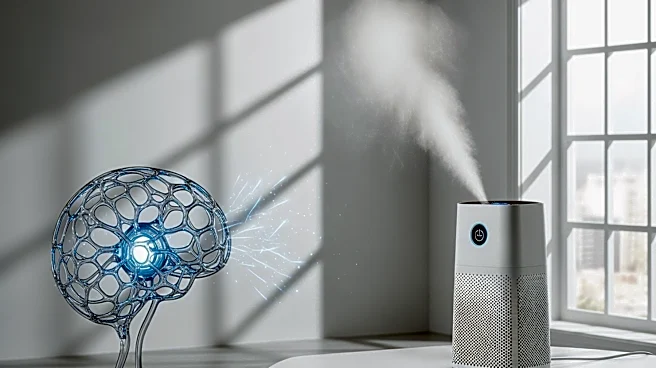
119 participants who were exposed to both real and sham air purifiers over a period of two months. The research found that participants using the HEPA purifiers showed a 12% improvement in mental flexibility and executive function. This improvement is comparable to cognitive benefits gained from increased physical exercise. The study highlights the potential of air purifiers in mitigating cognitive decline, especially for those living near high pollution areas like highways.
Why It's Important?
The findings underscore the impact of air pollution on cognitive health, particularly for individuals residing near major roadways. Air pollution is linked to various health issues, including neurological diseases like Alzheimer's and Parkinson's. The study suggests that HEPA air purifiers could offer a practical solution to reduce exposure to harmful particulates, potentially preventing cognitive decline. This is particularly relevant for communities of color and low-income populations who are disproportionately affected by air pollution. The research adds to the growing body of evidence advocating for environmental health measures to improve public health outcomes.
What's Next?
Future research is needed to explore the long-term effects of air purifier use on cognitive function. The study's authors plan to investigate whether reducing particulate matter can protect the brain's white matter and reverse cognitive decline. Additionally, understanding the specific mechanisms by which air purifiers enhance cognition could lead to more targeted interventions. As awareness of air pollution's impact on health grows, there may be increased advocacy for policies promoting cleaner air and wider adoption of air purifiers in high-risk areas.