







What's Happening?
The Southeast Ohio Fibershed, led by Lisa Heinz, is working to address systemic challenges in the textile production industry by promoting locally sourced fibers. The initiative focuses on creating a sustainable textile economy by utilizing materials
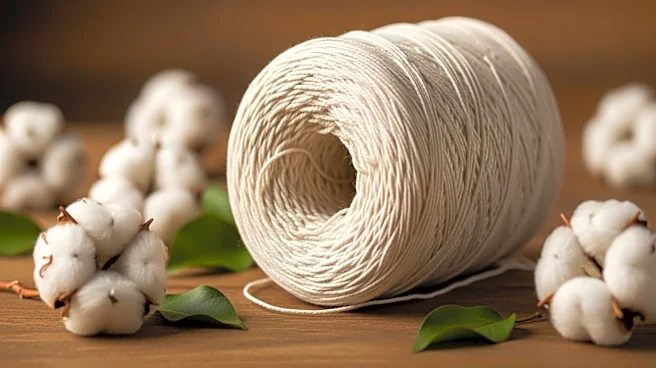
such as wool, linen, and cotton that can decompose without harming the environment. Heinz emphasizes the economic development potential of this approach, which aligns with sustainable textile processes. The Fibershed is building relationships with local farmers to source wool, which is often discarded despite its potential value. However, the initiative faces challenges, including a shortage of fiber mills to process wool into yarn, exacerbated by pandemic-related closures. The Fibershed aims to eventually own its own mill and expand into other natural fibers like flax and hemp.
Why It's Important?
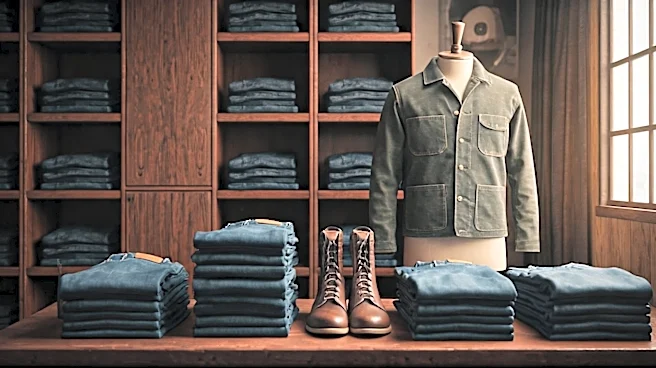
The efforts of the Southeast Ohio Fibershed highlight a growing movement towards sustainable fashion, which has significant implications for the U.S. textile industry. By focusing on local production and sustainable materials, the initiative could reduce reliance on plastic-derived fabrics and decrease the environmental impact of clothing waste. This approach not only supports local economies by creating jobs and fostering community connections but also aligns with increasing consumer demand for environmentally friendly products. The Fibershed's work could serve as a model for other regions looking to revitalize their textile industries while addressing environmental concerns.
What's Next?
The Southeast Ohio Fibershed plans to continue building connections within the community and expand its reach. The organization recently held a meet-up at the Hocking Hills Garment Center to engage others interested in local clothing production. Future plans include workshops to educate and inspire new textile makers, with the hope of eventually producing garments locally. The Fibershed's long-term goal is to own a fiber mill, which would alleviate current supply chain bottlenecks and enable the processing of locally sourced fibers. This development could significantly enhance the region's capacity to produce sustainable textiles.
Beyond the Headlines
The Fibershed's initiative reflects a broader cultural shift towards sustainability and localism. By promoting the use of natural fibers and local production, the project challenges the fast fashion model that dominates the industry. This movement not only addresses environmental concerns but also encourages consumers to consider the origins and lifecycle of their clothing. The educational aspect of the Fibershed's work is crucial in fostering a deeper understanding of sustainable practices and could lead to long-term changes in consumer behavior and industry standards.