







What's Happening?
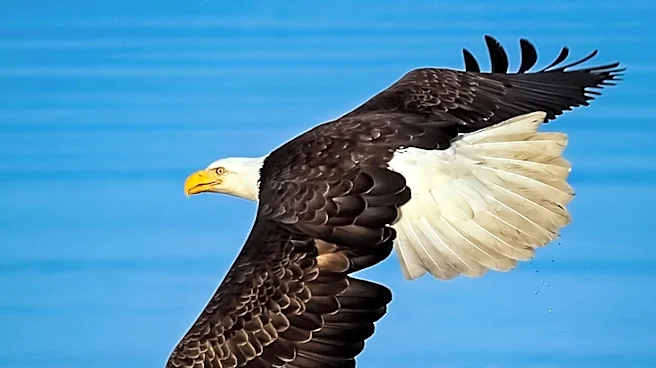
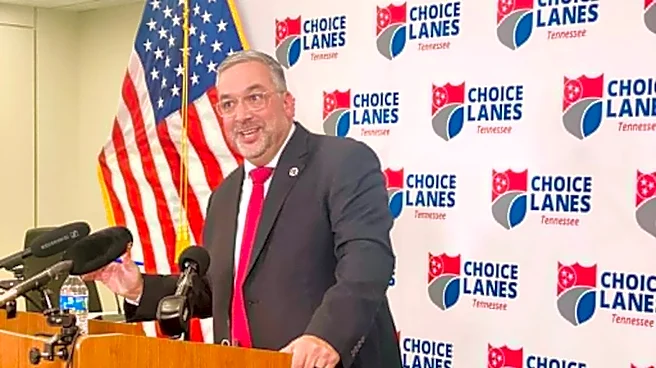
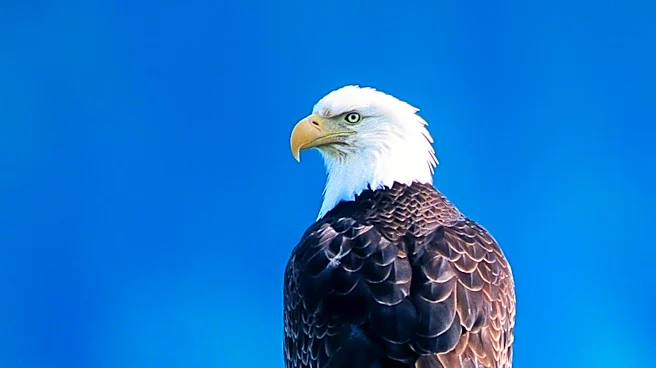
Athens, Tennessee Mayor Larry Eaton is actively challenging a federal order from the U.S. Fish and Wildlife Service to euthanize Phoenix, a rescued female bald eagle. Phoenix sustained severe injuries, including a fractured radius and ulna in her left
wing, and underwent surgery and rehabilitation. While her veterinarian, T.A. Haig, confirms she cannot return to the wild due to a drooping wing and inability to fly well, Haig believes Phoenix has adapted well to captivity and is a suitable candidate for permanent placement. The Owl Ridge Raptor Center, where Phoenix is being cared for, has reportedly secured a permanent home for the eagle. However, Mariah Letowt, a migratory bird permits specialist with the U.S. Fish and Wildlife Service, has reiterated the federal agency's decision, stating that Phoenix is not a good candidate for captivity and euthanasia is the most humane action. The order instructs the center to euthanize Phoenix within seven calendar days.
Why It's Important?
This situation highlights a conflict between local efforts to protect wildlife and federal regulatory decisions, particularly concerning endangered or protected species like the bald eagle, which is a national symbol. The mayor's intervention underscores the public's emotional connection to such animals and the potential for local communities to advocate against federal directives they perceive as inhumane or unnecessary. The case also brings to light the differing interpretations of animal welfare and rehabilitation success between veterinarians and federal agencies. If the federal order stands, it could set a precedent for how similar cases of injured wildlife are handled, potentially limiting options for long-term care in captivity even when deemed viable by veterinary professionals. Conversely, if the mayor's appeal is successful, it could influence future federal policies regarding the disposition of non-releasable rehabilitated wildlife, potentially leading to more opportunities for their placement in permanent care facilities.
What's Next?
Mayor Eaton has formally requested the U.S. Fish and Wildlife Service to reconsider its decision and provide complete documentation explaining how it reached its conclusion, especially given that no USDA veterinarian has personally examined Phoenix. He has also shared the relevant documents with U.S. Senators Marsha Blackburn and Bill Hagerty, and U.S. Representative Chuck Fleischmann, indicating his readiness to seek a formal investigation if the euthanasia order is not reversed. The immediate next step involves the federal agency's response to Eaton's request for reconsideration and documentation. Depending on this response, Eaton and the Owl Ridge Raptor Center may escalate their efforts, potentially involving congressional intervention or legal challenges. The fate of Phoenix hinges on these ongoing discussions and potential political pressure from the U.S. Senators and U.S. Representative.
Beyond the Headlines
The controversy surrounding Phoenix extends beyond a single animal's fate, touching upon broader ethical considerations in wildlife management and the balance between federal authority and local advocacy. The case raises questions about the criteria used by federal agencies to determine the viability of captive care for injured wildlife, especially when a qualified veterinarian offers a different assessment. It also highlights the potential for public sentiment and local political will to influence decisions typically made by federal bureaucracies. The involvement of U.S. Senators and a U.S. Representative suggests that this issue could gain national attention, potentially sparking a wider debate on the humane treatment of non-releasable wildlife and the flexibility of federal regulations in accommodating individual circumstances. This could lead to a re-evaluation of existing policies or the development of new guidelines for the long-term care of animals that cannot be returned to their natural habitats.