





What's Happening?
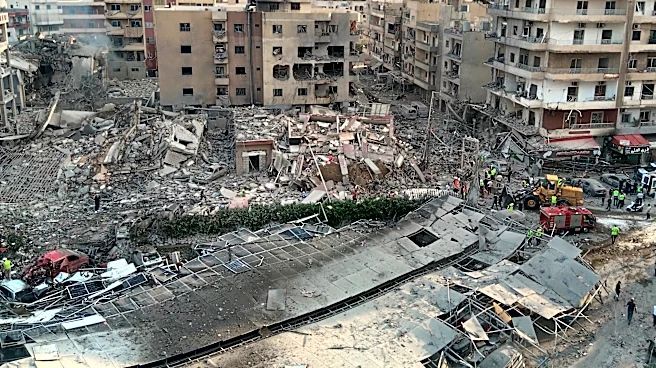
In recent developments, three hospitals in southern Lebanon have been targeted by Israeli forces within a week, resulting in significant casualties and damage. According to Lebanon's ministry of health, these attacks have wounded over 150 individuals
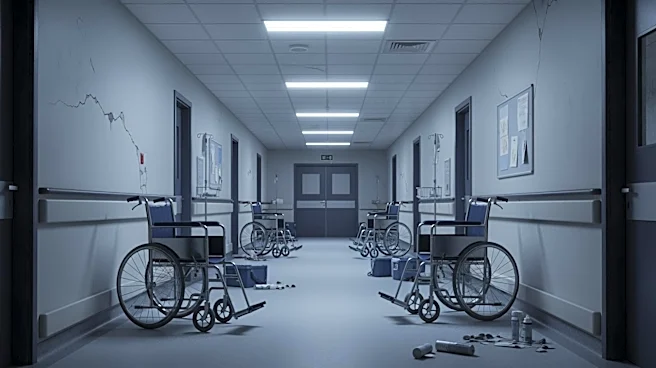
and claimed nine lives. The strikes occurred near the public hospital in Tebnine and the Hiram and Jabal Amel hospitals in Tyre. The attack on Jabal Amel hospital led to the destruction of a building in front of the hospital, causing severe damage to its facilities and forcing the evacuation of patients from the intensive care unit. The World Health Organization has expressed concern over the deprivation of medical care for vulnerable patients, as access to essential services in the region is critically constrained. The Israeli military has stated that the strikes were aimed at Hezbollah infrastructure and that the hospitals were not direct targets, although they acknowledged incidental damage.
Why It's Important?
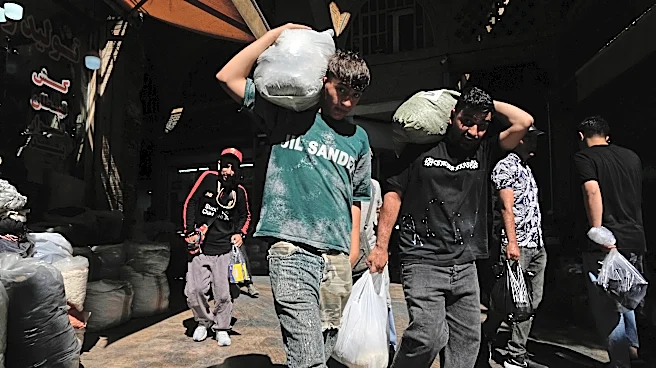
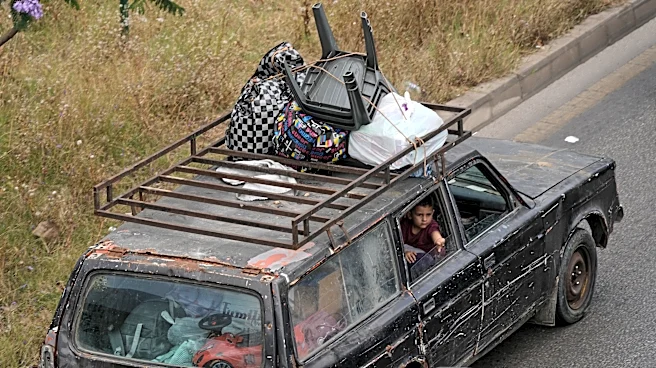
The attacks on healthcare facilities in southern Lebanon have exacerbated an already dire situation for medical services in the region. With the area experiencing mass displacement, the remaining functional hospitals are overwhelmed with injured patients. The targeting of medical facilities and healthcare workers is considered a war crime, raising significant ethical and legal concerns. The ongoing conflict between Hezbollah and Israel, which began on March 2, has resulted in substantial casualties on both sides, further straining the healthcare system. The international community, including organizations like the World Health Organization, is calling for an end to these attacks to prevent further humanitarian crises.
What's Next?
The continuation of hostilities between Hezbollah and Israel poses ongoing risks to healthcare facilities and civilian safety in southern Lebanon. The Lebanese ministry of health has condemned the attacks as fabrications and part of an escalating series of assaults on health institutions. As the conflict persists, there is a pressing need for diplomatic interventions to establish a lasting ceasefire and ensure the protection of medical facilities. Humanitarian organizations may increase their presence in the region to provide necessary medical aid and support to the affected populations.
Beyond the Headlines
The repeated targeting of healthcare facilities in conflict zones highlights the broader issue of the protection of medical services during warfare. Such actions not only violate international humanitarian laws but also undermine the fundamental right to healthcare for civilians. The resilience of medical staff, who continue to provide care despite the risks, underscores the critical role of healthcare workers in conflict settings. The situation in southern Lebanon serves as a stark reminder of the need for international mechanisms to safeguard medical facilities and personnel in times of war.