

What's Happening?
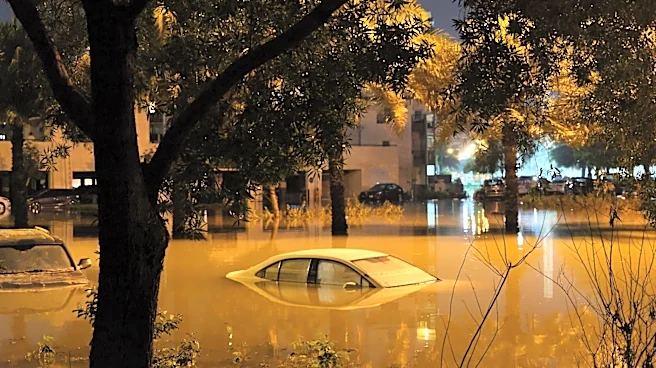
Patrick County, Virginia, is facing significant flooding following heavy overnight storms. According to Scottie Cassell, the Emergency Management Agency director, the area has experienced between 6 and 7 inches of rainfall, leading to washed-out roads
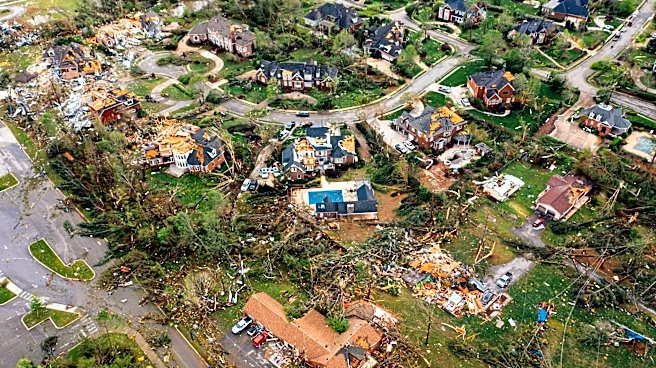
and mudslides. The Ararat River has swollen, causing tree limbs and debris to accumulate, and some homes have reported damage, including boats and campers colliding. In Ararat, a pickup truck was found under debris after being carried over a mile by floodwaters. Several bridges have been closed, with one collapsing entirely. The Virginia Department of Transportation is assisting local officials in assessing and managing the damage. Adjoining Carroll County is also affected, with reports of flooding on Stillhouse Road. A First Alert Weather Day has been issued, warning of continued flash flood risks through Sunday.
Why It's Important?
The flooding in Patrick and Carroll counties highlights the vulnerability of infrastructure and communities to severe weather events. The damage to roads, bridges, and personal property underscores the potential for significant economic and logistical challenges. The involvement of the Virginia Department of Transportation indicates the scale of the response required to address the immediate impacts and begin recovery efforts. This situation serves as a reminder of the importance of emergency preparedness and infrastructure resilience in the face of increasingly frequent and severe weather patterns. The local economy, particularly agriculture, may suffer due to crop destruction, affecting livelihoods and food supply chains.
What's Next?
Emergency crews will continue to monitor water levels and assess damage in the affected areas. Recovery efforts will likely involve repairing infrastructure, such as roads and bridges, and providing support to residents who have suffered property damage. The ongoing weather alert suggests that residents should remain vigilant and prepared for further flooding. Local authorities may need to implement long-term strategies to mitigate future flood risks, potentially involving infrastructure upgrades and improved emergency response plans. Community support and state assistance will be crucial in the recovery process.