



What's Happening?
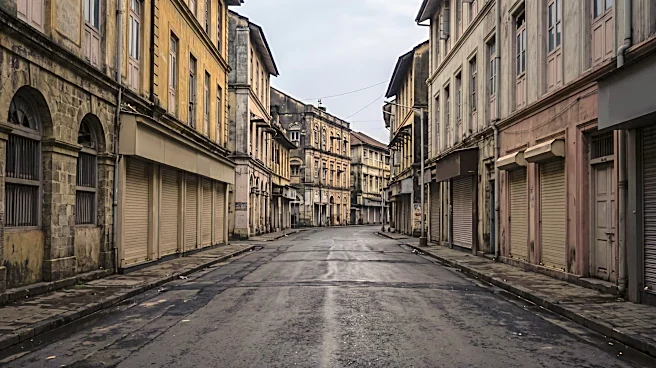
A tragic incident occurred in Mumbai during a Ganesh idol arrival ceremony when a 22-foot idol collapsed, resulting in the deaths of two individuals and injuries to five others, including two children. The event took place on Balaram Merchant Road in Bhuleshwar
as devotees gathered for the arrival of the 'Bhuleshwaracha Raja' idol. Civic officials reported that the structure carrying the idol toppled, striking people in the crowded area. The deceased have been identified as Sanket Nevshe, 33, and Brijesh Hemant Joshi, 30. The injured include Vaibhav Ghenand, Pawan Chaurasiya, Kunal Kashid, and two children, Lavanya Ganer (5) and Divya Ganer (7), all of whom are reported to be in stable condition. Emergency services, including the Mumbai Fire Brigade, Mumbai Police, traffic police, civic ward personnel, and ambulance services, were immediately dispatched to the scene for rescue and relief operations. The incident has cast a somber note as Mumbai prepares for the annual 10-day Ganeshotsav festival.
Why It's Important?
This incident highlights significant concerns regarding crowd safety and event management during large-scale religious processions in urban areas. The Ganeshotsav festival is a major cultural and religious event in Maharashtra, attracting massive crowds, and the collapse of such a large idol underscores the potential risks associated with inadequate structural integrity and crowd control measures. The tragedy could prompt a re-evaluation of safety protocols for public gatherings, particularly those involving large, heavy installations and dense crowds. Organizers of similar events may face increased scrutiny and pressure to implement stricter safety checks and crowd management strategies to prevent future occurrences. For the public, it serves as a stark reminder of the importance of safety awareness in crowded environments, especially during festive periods. The incident may also lead to discussions about accountability for event organizers and the need for more rigorous oversight from civic authorities to ensure public safety during cultural celebrations.
What's Next?
Authorities are expected to launch a thorough investigation into the cause of the idol's collapse, focusing on factors such as the structural integrity of the idol, the stability of its carrying mechanism, and the crowd management protocols in place. This investigation will likely determine if any negligence contributed to the tragedy and could lead to legal actions against those found responsible. In the immediate future, other Ganesh idol arrival ceremonies and subsequent festival events may see heightened security and safety measures implemented by organizers and civic bodies. There could be public calls for stricter regulations and guidelines for the construction and transportation of large idols, as well as for managing large gatherings. The incident may also spark a broader public discourse on the balance between religious traditions and public safety, potentially leading to new policies or enforcement strategies for large-scale cultural events in Mumbai and other cities.
Beyond the Headlines
The tragic collapse of the Ganesh idol extends beyond immediate safety concerns, touching upon the cultural and logistical complexities of large-scale religious festivals in India. These events, deeply embedded in the social fabric, often involve intricate preparations, community participation, and significant logistical challenges in managing massive crowds and large structures. The incident may prompt a re-examination of traditional practices in idol making and transportation, encouraging the adoption of modern engineering and safety standards without compromising cultural significance. It also brings to the forefront the ethical responsibility of event organizers and civic authorities to prioritize human life over spectacle. Long-term implications could include a shift towards more standardized safety certifications for festival structures and a greater emphasis on professional event management, potentially altering the traditional, community-led organization of such festivals. This event could serve as a catalyst for a broader conversation about modernizing safety practices in traditional cultural celebrations across the nation.