








What's Happening?
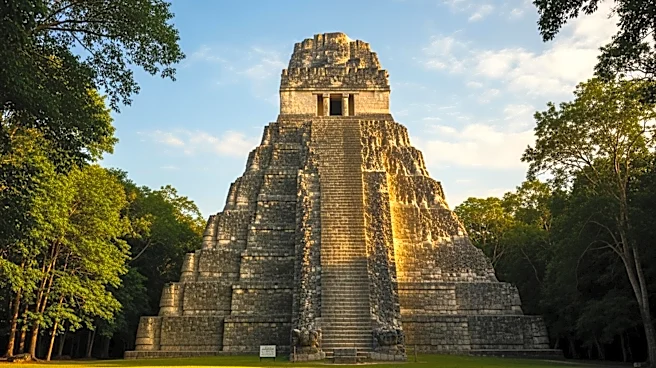
Chichén Itzá, a renowned archaeological site in Mexico, has reopened following a 13-day closure due to a dispute involving the relocation of over 600 vendors and artisans. The conflict arose from the introduction of a new 16-hectare visitor facility,
Catvi, which is part of the infrastructure for the Maya Train project. This facility includes commercial spaces, food courts, and guide facilities, and aims to enhance visitor services. The closure was initially announced as maintenance work, but it soon became clear that it was due to disagreements over the relocation of vendors. Despite negotiations, only 220 of the 666 vendors agreed to move to the new facility. The Indigenous Governing Council of Pisté Chichén Itzá (CIGPC) has been actively opposing the relocation, citing insufficient community consultation and advocating for the rights of affected families.
Why It's Important?
The reopening of Chichén Itzá is significant for Mexico's tourism industry, as the site is a major attraction, drawing over 2.2 million visitors annually. The closure had a substantial impact on local tourism workers and businesses, affecting the regional economy and Yucatán's global image. The conflict highlights ongoing tensions between development projects and local communities, particularly in areas with significant cultural heritage. The resolution of such disputes is crucial for maintaining the site's status as a top tourist destination and ensuring the economic well-being of those who depend on it.
What's Next?
The situation remains tense as the CIGPC continues to advocate for the reopening of the former tourist center and better conditions for vendors. The group has filed a legal injunction to halt the relocation, and further negotiations are likely. The outcome of these discussions will be critical in determining the future of vendor operations at Chichén Itzá and could set a precedent for similar disputes at other archaeological sites in Mexico. Authorities and community leaders will need to find a balance between modernizing infrastructure and preserving the rights and traditions of local communities.
Beyond the Headlines
The conflict at Chichén Itzá underscores broader issues of cultural preservation and economic development in Mexico. The introduction of large-scale infrastructure projects like the Maya Train often brings economic opportunities but can also lead to cultural and social disruptions. The situation raises questions about the ethical responsibilities of development projects in heritage sites and the need for inclusive decision-making processes that respect the voices of indigenous and local communities.