

What's Happening?
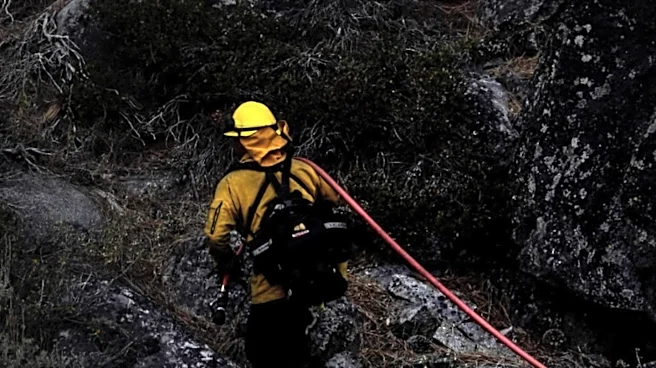
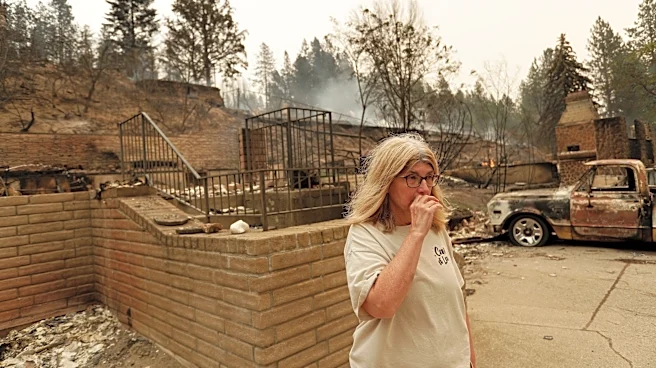
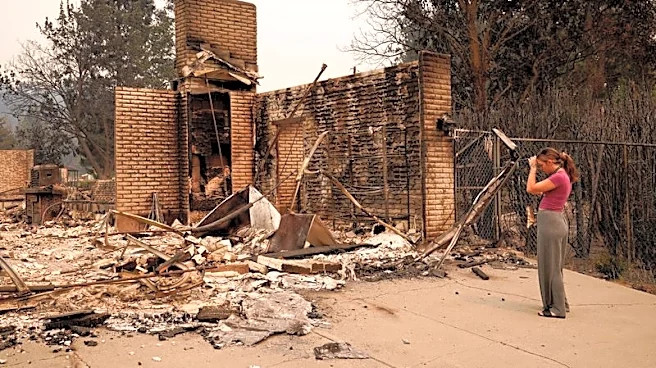
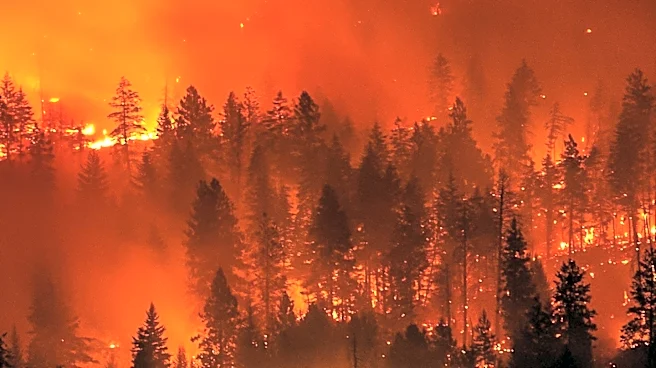
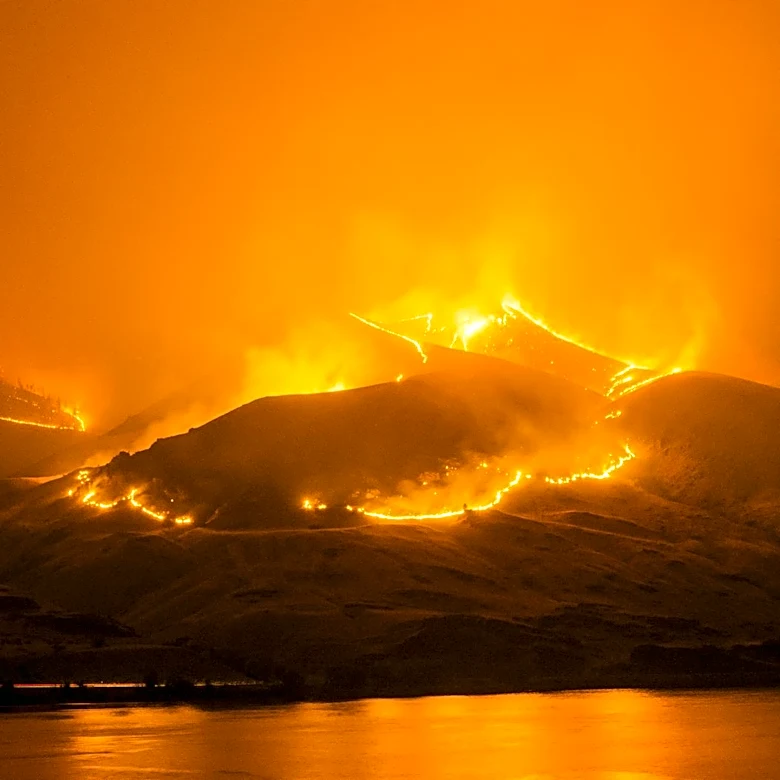
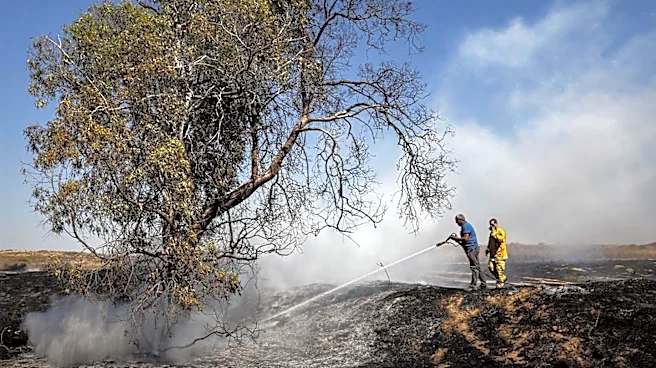
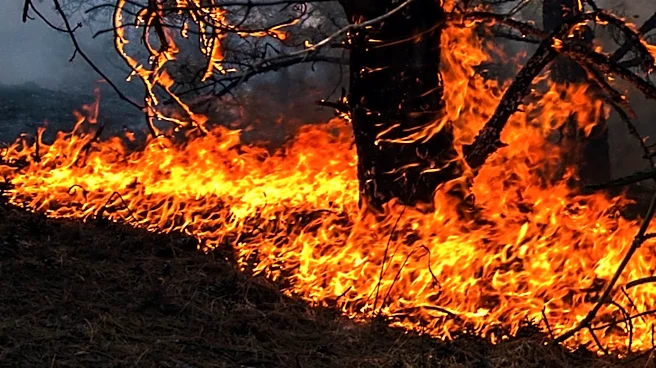
Wildfires in Washington State have escalated, leading to the destruction of over 700 homes in Spokane and the evacuation of approximately 65,000 families. The fires, fueled by dry conditions and high winds, have become uncontrollable, posing significant
challenges to firefighting efforts. Local authorities have been working tirelessly to contain the blazes, but the situation remains dire with no immediate improvement expected. The fires in Washington are part of a broader pattern of increasing wildfire activity across the United States, exacerbated by climate conditions.
Why It's Important?
The wildfires in Washington highlight the growing threat of natural disasters exacerbated by climate change. The destruction of homes and displacement of thousands of residents underscore the urgent need for effective disaster management and climate adaptation strategies. These events have significant economic implications, including the cost of firefighting efforts, property damage, and the long-term impact on local communities. The situation also raises questions about land management practices and the preparedness of state and federal agencies to respond to such large-scale emergencies.
What's Next?
As firefighting efforts continue, authorities are focusing on evacuating residents to safety and providing support to those affected. The state government may seek federal assistance to manage the crisis and aid recovery efforts. In the long term, there may be increased pressure on policymakers to address climate change and implement measures to mitigate the risk of future wildfires. This could involve changes in land use policies, investment in fire prevention infrastructure, and enhanced emergency response capabilities.