







What's Happening?
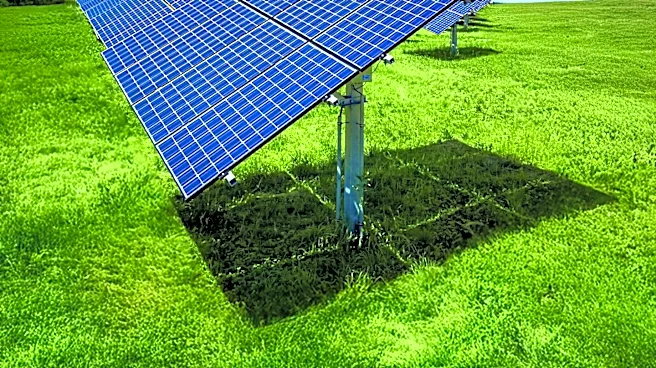
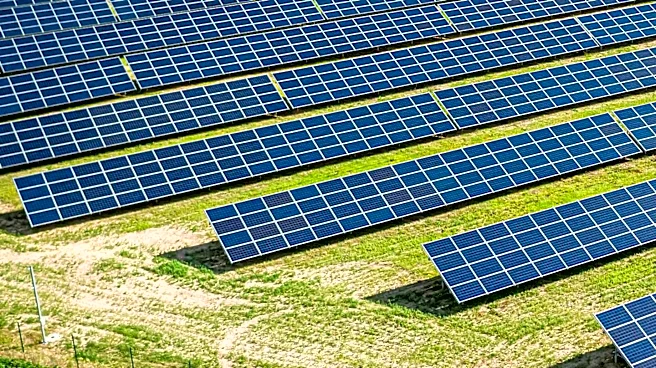
A French winemaker, David Moreau, has undertaken a significant investment of approximately four million euros to install 6,000 solar panels over four hectares of his ugni blanc grape vineyard in Saint-André-de-Lidon, near Saintes. This innovative agrivoltaic
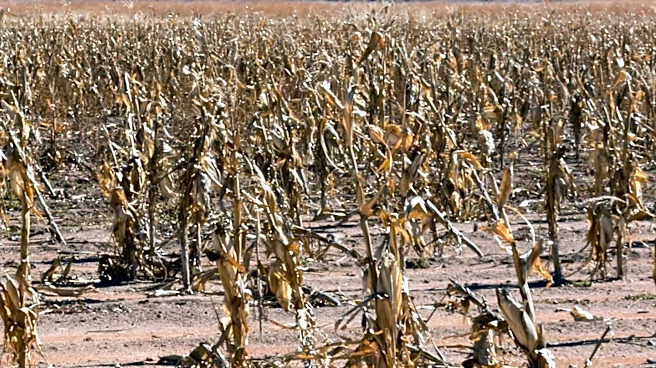
system, developed by Sun'Agri, positions the panels five meters above the vines. The technology is designed to dynamically tilt throughout the day, optimizing the balance between shade and sunlight for the grapes. Crucially, these panels can lie completely flat to form a robust protective shield against hailstorms and can also trap a layer of warm air near the ground on cold nights, significantly mitigating frost risk. Moreau's primary motivation for this implementation was to combat "echaudage," the scorching of grapes during increasingly frequent summer heat spikes, which typically results in a 5-10% loss of his annual harvest. However, due to stringent French wine regulations, specifically a 2002 rule prohibiting coverings over vineyards with AOC or IGP designations, Moreau was compelled to voluntarily relinquish the official Cognac label for his wine. Despite the substantial upfront investment, Moreau currently receives only 600 euros annually in electricity rent from the system, and the full long-term impact on his harvest and the economic viability of the project will not be definitively known until his first harvest under the system in 2029. This decision starkly illustrates a growing tension within European agriculture between preserving traditional regional identities and adopting essential climate adaptation technologies.
Why It's Important?
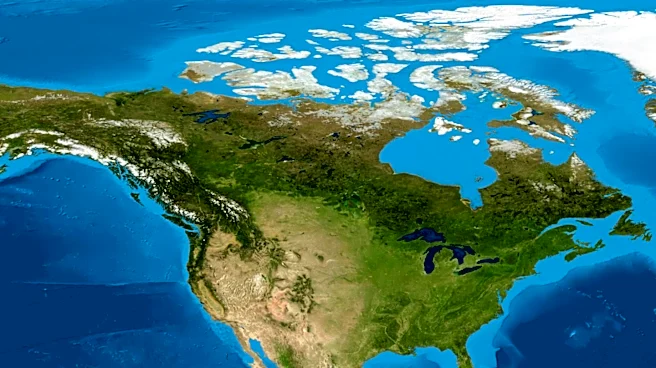
This development highlights a critical global challenge for agriculture: adapting to extreme weather events driven by climate change while navigating established regulatory frameworks. For the United States, Moreau's situation offers a contrasting perspective on agricultural innovation. American Viticultural Areas (AVAs) are defined primarily by mapped growing regions, and the Alcohol and Tobacco Tax and Trade Bureau's regulations require only that at least 85% of grapes in a labeled wine originate from within that boundary. Crucially, US regulations do not restrict overhead coverings or how vines are trained, irrigated, or shaded. This regulatory flexibility means that American vineyards, such as those in Napa, could implement similar solar canopy systems without jeopardizing their prestigious regional labels. Colorado State University is already testing a solar canopy over a vineyard at its Western Colorado Research Centre, investigating frost protection, water retention, and hail resistance. This indicates that US growers have a clearer path to adopting agrivoltaics as a climate resilience strategy, potentially gaining a competitive advantage in mitigating crop losses and ensuring long-term viability compared to their European counterparts facing stricter traditional appellation rules.
What's Next?
In France, the regulatory landscape for agrivoltaics remains largely unsettled and is subject to ongoing debate. The Institut National de l'Origine et de la Qualité (INAO), which oversees appellation rules, acknowledges that solar coverings could potentially threaten the visual landscape and established identity of protected wine regions, even as it actively explores how such technology might integrate into future climate strategies for agriculture. Some specific appellations, such as Côtes du Rhône, have already taken a definitive stance, writing a ban on agrivoltaics into their own specifications last year, citing concerns over damage to the visual character of their vineyards. The Cognac trade body, representing Moreau's region, has yet to take a formal position and is awaiting further comprehensive assessments of the landscape, economic, and quality impacts before making a decision. For American growers, the economic viability of investing in such costly solar canopies will largely depend on the extent of crop losses they currently experience due to heat, hail, or frost. While the US Department of Agriculture projects a decline in California's wine grape acreage from 2023 to 2025, primarily due to oversupply rather than climate damage, growers in regions frequently impacted by extreme weather may find the investment justifiable. Continued research, like that at Colorado State University, will provide crucial data on the effectiveness and economic returns of agrivoltaic systems in diverse US vineyard conditions, potentially influencing broader adoption and policy discussions across the nation.
Beyond the Headlines
The French winemaker's choice to sacrifice a prestigious regional label for climate resilience underscores a profound cultural and economic dilemma facing traditional agricultural sectors worldwide. This situation forces a re-evaluation of what constitutes "authenticity" and "tradition" in the face of existential threats from climate change. Is the identity of a product more tied to its geographical origin and traditional methods, or to its continued existence and quality in a changing environment? The contrast with US regulations highlights differing philosophical approaches to agricultural heritage versus innovation. While European appellation systems prioritize historical methods and regional character, the US system appears to offer more pragmatic flexibility for adaptation. This divergence could lead to long-term shifts in global wine production, potentially giving regions with more adaptable regulatory frameworks an advantage in maintaining consistent yields and quality as climate patterns become more unpredictable. It also raises questions about consumer perception and whether the market will increasingly value climate-resilient production over strict adherence to traditional labeling.