

What's Happening?
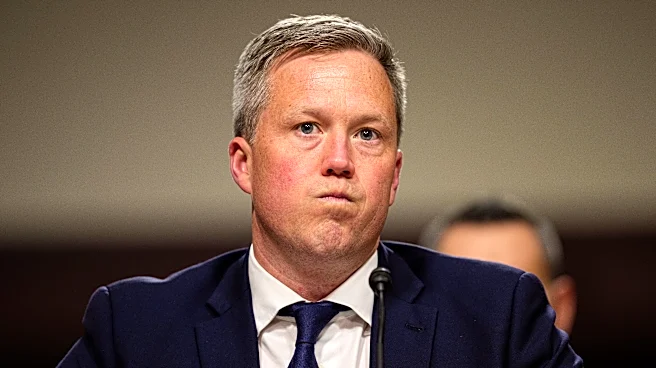
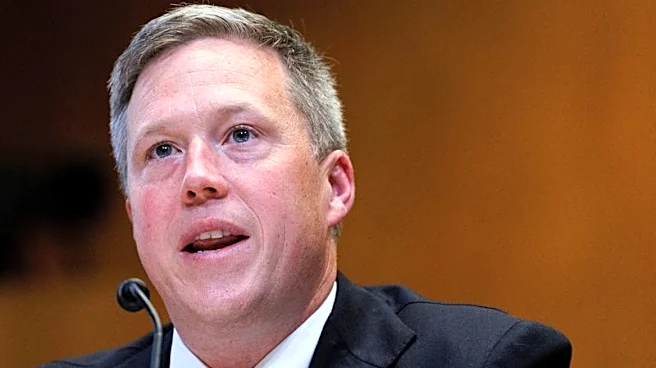
Army Secretary Dan Driscoll is stepping down after approximately 18 months in his role, marking another senior military departure under President Trump. The White House announced Driscoll's exit following discussions with President Trump regarding the state
of the Army, though no specific reason for his departure was immediately provided. This change in leadership occurs as the Pentagon faces scrutiny over its leadership, military policy, and strategies for modern warfare. Driscoll's departure follows other significant changes within the Army's senior ranks, including the removal of Gen. Randy George as the Army’s top uniformed leader in April by Defense Secretary Pete Hegseth, and Gen. Christopher Donahue stepping down in June. Driscoll had been a proponent of the Army adapting to new forms of warfare, including supporting the expansion of drone and counter-drone programs, though one Europe-based unit was later ordered to cease its drone development efforts. Members of Congress from both parties, including Sen. Jack Reed and Rep. Jason Crow, praised Driscoll's work in preparing the Army for future challenges, with Republican Rep. Steve Womack commending his strong leadership and discipline.
Why It's Important?
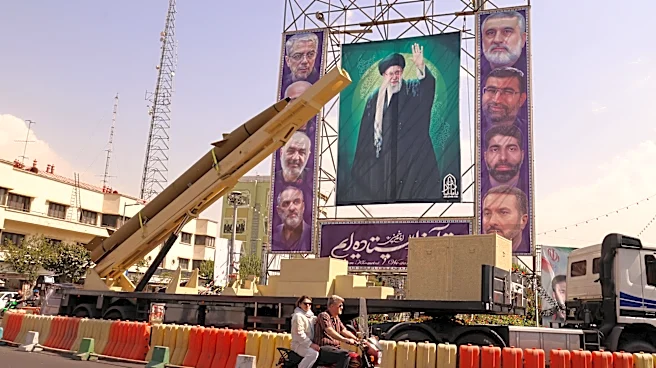
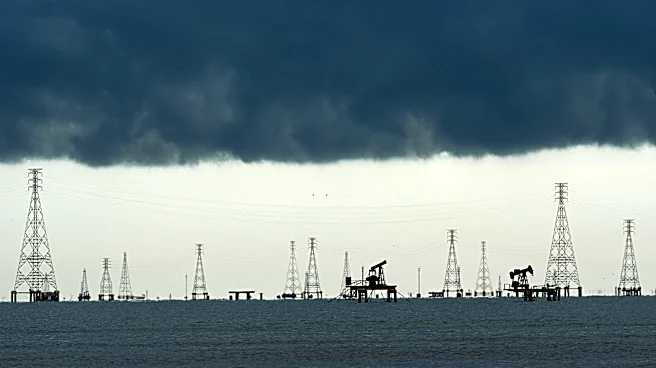
The departure of Army Secretary Dan Driscoll, alongside other senior military leaders, signals a period of significant leadership transition within the U.S. Army under President Trump's administration. This turnover could impact the continuity and direction of military policy, particularly concerning modern warfare strategies and technological advancements like drone programs. The timing is critical as the United States navigates escalating geopolitical tensions, specifically involving Iran and the Strait of Hormuz, where recent attacks on ships have heightened concerns about maritime security and global oil supplies. These military leadership changes could influence the U.S.'s ability to respond effectively to such international incidents and maintain stability in strategic regions. Furthermore, the broader context of these departures, coupled with ongoing debates about military readiness and adaptation to new threats, underscores the challenges facing the Pentagon in maintaining a strong and agile defense posture. The praise from bipartisan members of Congress for Driscoll highlights the perceived value of his contributions, making his exit a notable event for military leadership and national security.
What's Next?
The immediate future will likely involve the appointment of a new Army Secretary, which will be a key decision for President Trump and the Pentagon. This appointment will be closely watched for indications of continuity or shifts in military strategy and priorities. The new Secretary will inherit an Army grappling with evolving warfare technologies, ongoing geopolitical challenges, and the need to maintain readiness amidst global tensions, particularly in regions like the Middle East. Congress will continue to monitor these leadership changes and their implications for national security. The U.S. military's response to incidents in the Strait of Hormuz and other international flashpoints will remain a critical area of focus, potentially influencing the new leadership's agenda. Additionally, the broader impact of these military leadership transitions on the U.S. economy, particularly concerning oil prices and market stability, will be observed as the situation develops.
Beyond the Headlines
The frequent turnover of senior military leadership under President Trump's administration, exemplified by Army Secretary Driscoll's departure, raises deeper questions about the stability and long-term strategic planning within the U.S. military. Such changes can lead to a loss of institutional knowledge and potentially disrupt ongoing initiatives, impacting the military's ability to adapt to complex global threats. The emphasis on modern warfare and drone technology, as championed by Driscoll, highlights the continuous evolution of military doctrine and the challenges of integrating new technologies effectively. The bipartisan praise for Driscoll suggests a recognition of his efforts to instill discipline and prepare the Army for future battlefields, underscoring the importance of consistent and experienced leadership in defense. This situation also reflects the broader dynamic between political administrations and military leadership, where differing visions and priorities can lead to significant personnel shifts, with potential implications for military morale, strategic coherence, and the U.S.'s standing on the international stage.