





What's Happening?
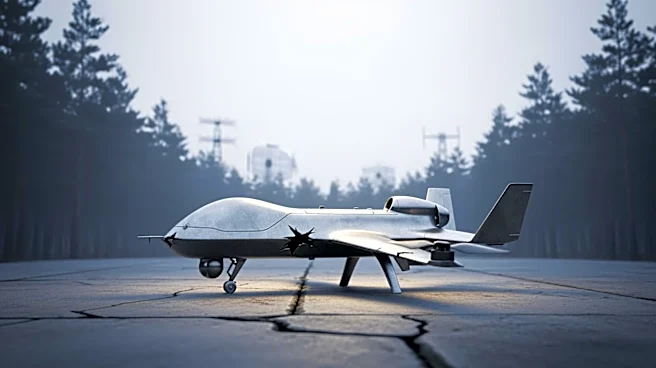
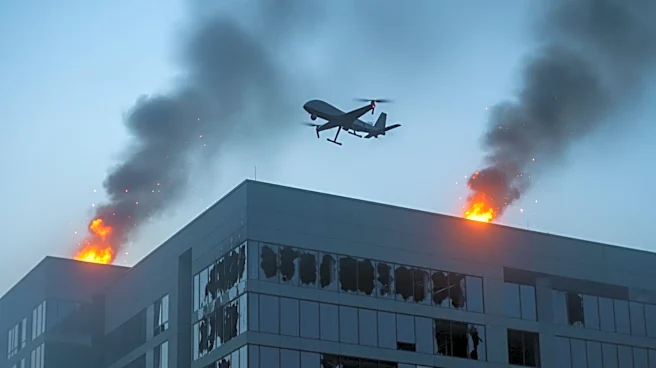
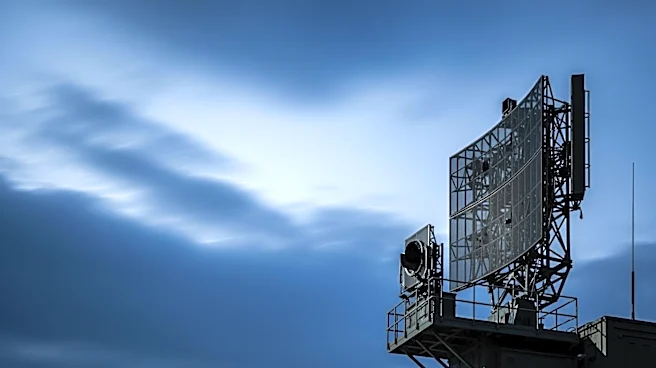
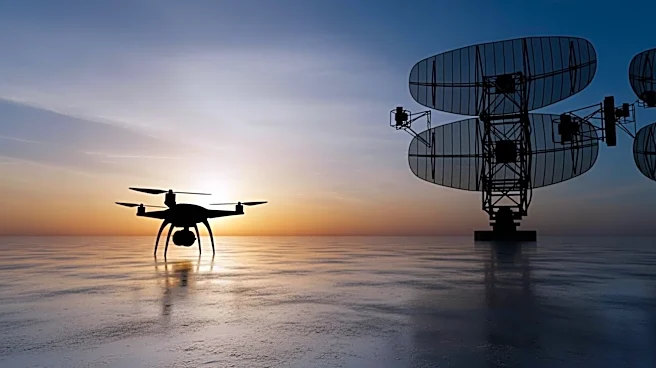
Estonia has installed its first stationary anti-drone detection and surveillance systems along its border with Russia. This development comes in response to recent incidents involving drones, including a NATO fighter jet shooting down a suspected Ukrainian
drone over Estonian territory on May 19. The Estonian Ministry of the Interior announced that these systems are part of a broader strategy to enhance border security, with plans to cover the entire eastern border by the end of the year. The move is seen as a proactive measure to address the growing concerns over drone-related incidents in the region, which have been escalating amid Moscow's threats against the Baltic countries. Russian authorities have accused the Baltic states of supporting Ukrainian drone strikes on Russian energy facilities, a claim dismissed by European governments as disinformation.
Why It's Important?
The installation of anti-drone systems by Estonia highlights the increasing security concerns in the Baltic region due to the ongoing conflict between Russia and Ukraine. This action underscores the Baltic states' efforts to bolster their defenses against potential threats from Russia, which has a history of using military and propaganda tactics to exert influence over its neighbors. The deployment of these systems is significant as it represents a step towards greater regional security and stability, potentially deterring further drone incursions. Additionally, it reflects the broader geopolitical tensions in Eastern Europe, where countries are seeking to protect their sovereignty and counter Russian influence. The situation also emphasizes the importance of NATO's role in supporting its member states in the face of external threats.
What's Next?
Estonia plans to expand its anti-drone network to cover the entire eastern border by the end of the year, enhancing its surveillance capabilities. This move is likely to prompt further diplomatic and military responses from Russia, which may view the deployment as a provocation. The Baltic states, along with their NATO allies, will need to navigate these tensions carefully to avoid escalation. Additionally, the situation may lead to increased cooperation among Baltic countries and other European nations to strengthen regional security measures. The international community will be closely monitoring the developments, as any significant escalation could have broader implications for European security and NATO's strategic posture in the region.
Beyond the Headlines
The deployment of anti-drone systems in Estonia also highlights the evolving nature of modern warfare, where technology plays a crucial role in national defense strategies. The use of drones in military operations has become increasingly common, necessitating advancements in detection and countermeasure technologies. This development may spur further innovation in anti-drone systems and influence defense policies across Europe. Moreover, the situation underscores the importance of addressing the influence of Russian propaganda in the Baltic states, as these countries work to integrate Russian-speaking communities and reduce Moscow's sway. The broader implications of these efforts could lead to long-term shifts in regional dynamics and contribute to the stabilization of Eastern Europe.