



What's Happening?
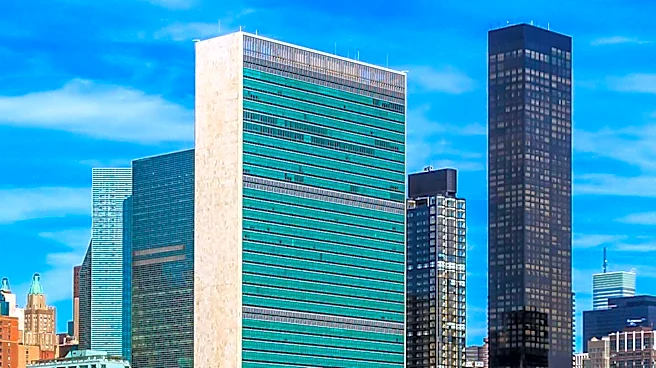
The United Nations Foundation, in collaboration with the UN community, recently hosted an event titled 'A Call to the Bold: Celebrating the Vision of Ted Turner and Action for A Better World.' Held at the UN headquarters in New York on November 9, the gathering
honored the late media mogul, conservationist, and philanthropist Ted Turner, who passed away in May. The event brought together a diverse group of diplomatic, business, philanthropic, media, and civil society leaders to commemorate Turner's vision and enduring legacy. UN Deputy Secretary-General Amina J. Mohammed, along with UN Foundation President and CEO Elizabeth Cousens and Board Chair Sigrid Kaag, delivered remarks highlighting Turner's profound impact, particularly his 1997 pledge of $1 billion to support the UN and its causes, which led to the creation of the United Nations Foundation. The program featured video tributes from prominent international figures, including UN Secretary-General António Guterres, former Secretary-General Ban Ki-moon, Her Majesty Queen Rania Al Abdullah of Jordan, Nobel Peace Prize Laureate Muhammad Yunus, and former U.S. Vice President Al Gore. The Turner family, including his daughter Laura Turner Seydel, attended as guests of honor.
Why It's Important?
This event underscores the continued relevance of philanthropic contributions to global governance and humanitarian efforts, particularly in an era where multilateralism faces significant challenges. Ted Turner's unprecedented $1 billion donation to the UN not only established the United Nations Foundation but also set a precedent for large-scale private sector engagement in international affairs. The gathering of global leaders, including current and former UN officials, royalty, Nobel laureates, and U.S. political figures, highlights the broad recognition of Turner's vision for a more collaborative and peaceful world. His belief that nations must work together to solve global problems remains a critical message, especially as geopolitical tensions and complex global issues persist. The event serves as a reminder of the power of individual philanthropy to catalyze significant change and support institutions like the UN, which are vital for addressing humanity's greatest challenges, from peace and security to sustainable development.
What's Next?
The 'A Call to the Bold' event is likely to inspire renewed discussions and efforts within the philanthropic community regarding strategic investments in global initiatives. The UN Foundation will continue its work, building on Turner's legacy, to foster partnerships and innovations that support the United Nations' goals. The calls to action from figures like Nobel Peace Prize laureate Maria Ressa suggest a continued emphasis on individual and collective responsibility to advance humanitarian and environmental causes. Stakeholders, including international organizations, governments, and private philanthropists, may be encouraged to reflect on Turner's model of bold giving and consider how they can further contribute to global progress. The event's focus on collaboration and shared responsibility could also influence future dialogues on strengthening multilateral institutions and addressing pressing global issues through collective action.
Beyond the Headlines
Beyond the immediate celebration of Ted Turner's life, this event touches upon deeper implications concerning the evolving role of private wealth in global governance. Turner's decision to dedicate a significant portion of his fortune to the UN challenged traditional notions of philanthropy, demonstrating how private individuals can directly influence international policy and humanitarian aid on a grand scale. This model raises questions about the balance of power between state actors, international organizations, and influential private donors in shaping global agendas. Furthermore, the event implicitly highlights the ongoing debate about the effectiveness and necessity of multilateral institutions like the UN in a fragmented world. By celebrating Turner's unwavering belief in the UN, the gathering reinforces the idea that despite its imperfections, the UN remains a crucial platform for dialogue and collective problem-solving, a sentiment that resonates deeply in an era marked by geopolitical complexities and global crises.