



What's Happening?
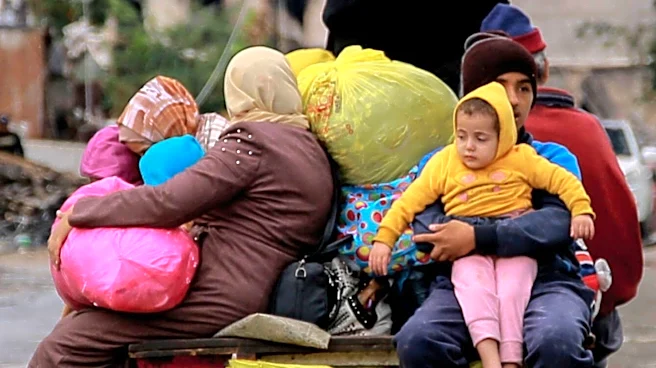
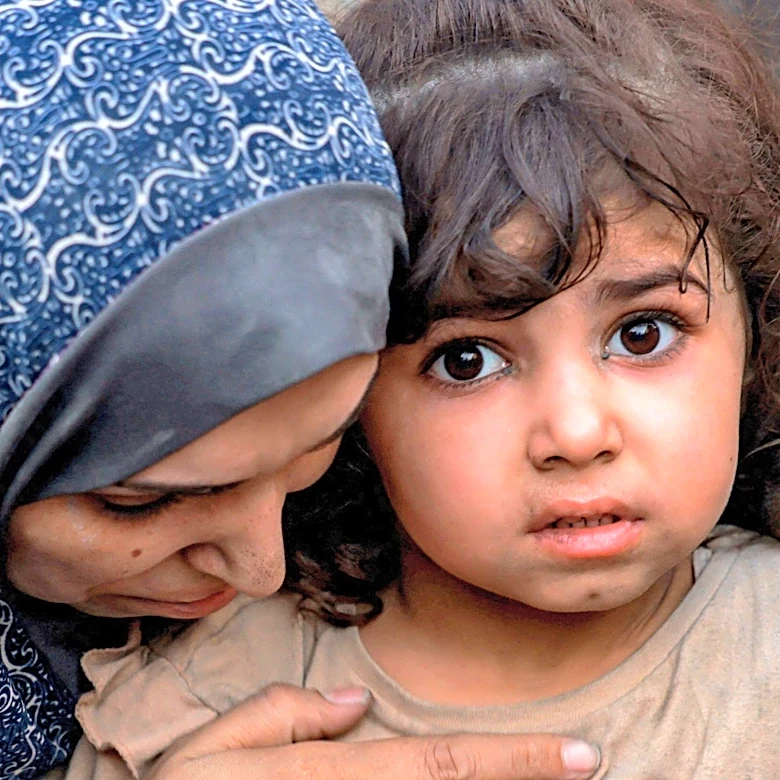
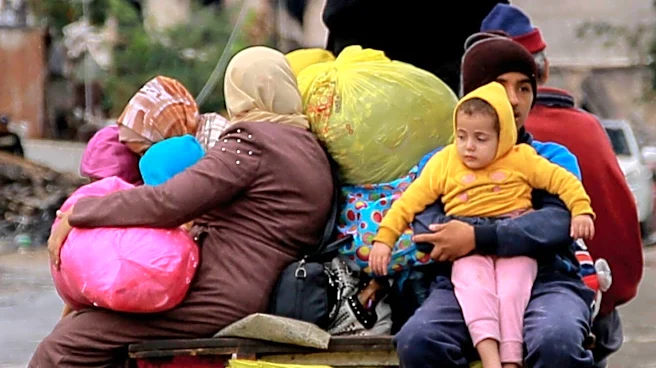
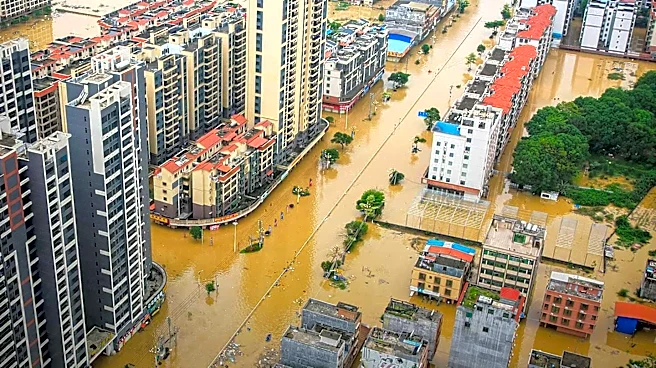
The United Nations and its humanitarian partners have issued a call for Israel to remove restrictions on aid deliveries to Gaza. This appeal comes as the region experiences severe rainstorms, which have reportedly led to fatalities among children and adults,
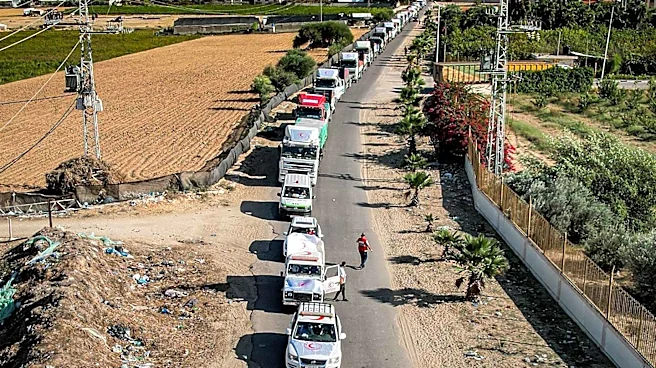
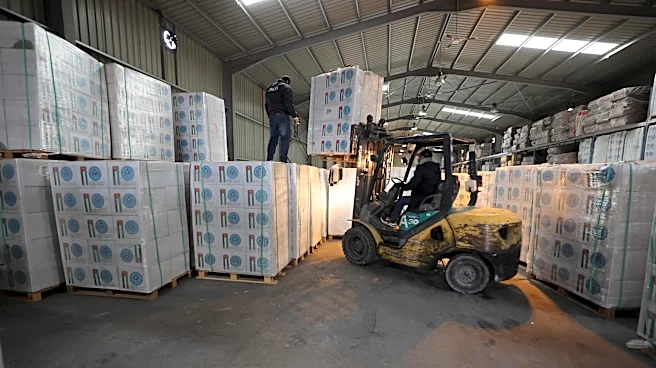
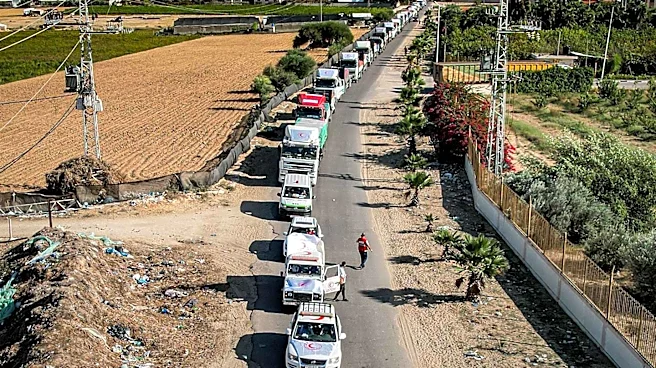
destroyed shelters, and flooded thousands of family tents. According to the UN Office for the Coordination of Humanitarian Affairs (OCHA), over 150,000 tents are currently awaiting dispatch outside Gaza, but their entry is hindered by ongoing restrictions on supplies and access, complicating winter preparedness efforts. The Humanitarian Country Team, which includes various UN agencies and humanitarian organizations operating in the Occupied Palestinian Territory, stated that the devastation caused by these rainstorms was preventable. They highlighted that a winter preparedness plan had been presented months prior, but its implementation was obstructed by supply and access limitations, alongside funding shortfalls. The team is urging Israel to facilitate repairs to water and wastewater networks and allow all humanitarian partners to operate freely.
Why It's Important?
The ongoing restrictions on humanitarian aid into Gaza have critical implications for the civilian population, particularly as winter conditions worsen. The inability to deliver essential supplies, including shelter and medical provisions, directly impacts the health and safety of displaced individuals. The UN's warning about preventable suffering underscores the urgency of the situation, suggesting that delays and funding cuts are putting lives at risk. For the U.S., this situation presents a complex diplomatic challenge, as it often plays a significant role in international humanitarian efforts and maintains a close relationship with Israel. The call for unrestricted aid access from a broad coalition of international bodies and countries highlights a growing global concern that could influence U.S. foreign policy and aid strategies in the region. The humanitarian crisis could also lead to increased pressure on international donors, including the U.S., to provide more funding and exert diplomatic influence to ensure aid reaches those in need.
What's Next?
The Humanitarian Country Team has urged member states to leverage their influence to remove obstacles to aid deliveries and provide urgently needed funding. This suggests that diplomatic efforts will likely intensify, with international bodies and individual nations potentially engaging with Israel to negotiate improved access for humanitarian supplies. The focus will be on ensuring the swift entry of winter provisions, given the immediate threat posed by the cold weather and ongoing rainstorms. The situation may also prompt further calls for accountability regarding the impact of restrictions on civilian populations. The international community will be closely monitoring Israel's response to these appeals, and any changes in aid access will be critical for the well-being of Gaza's residents. Continued advocacy from humanitarian organizations and potential resolutions from international bodies could shape the immediate future of aid delivery in the region.
Beyond the Headlines
The persistent challenges in delivering humanitarian aid to Gaza highlight deeper issues concerning international humanitarian law and the protection of civilians in conflict zones. The UN's emphasis on the preventability of the current suffering raises questions about the responsibilities of all parties involved in ensuring the basic needs of a civilian population are met. This situation also underscores the broader geopolitical complexities of the region, where humanitarian concerns are often intertwined with political and security considerations. The long-term implications could include a re-evaluation of international mechanisms for humanitarian intervention and protection in areas affected by conflict. Furthermore, the repeated calls for lifting restrictions and ensuring access could set precedents for how international aid is managed and delivered in other protracted crises globally, influencing future humanitarian policies and diplomatic engagements.