


What's Happening?
A 'super' El Niño is developing in the Pacific Ocean, characterized by warmer than normal sea-surface temperatures. This phenomenon, part of the El Niño-Southern Oscillation (ENSO) cycle, is expected to become one of the strongest on record by the end
of the year. The U.S. National Oceanic and Atmospheric Administration (NOAA) confirmed the onset of El Niño, predicting a 63% chance of it becoming very strong by winter. El Niño events typically lead to global weather changes, affecting human health, agriculture, and infrastructure.
Why It's Important?
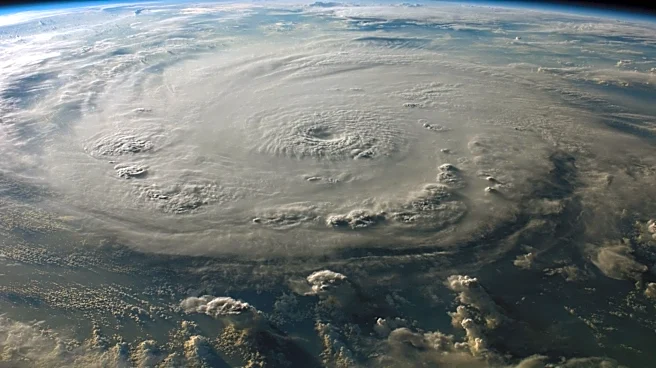
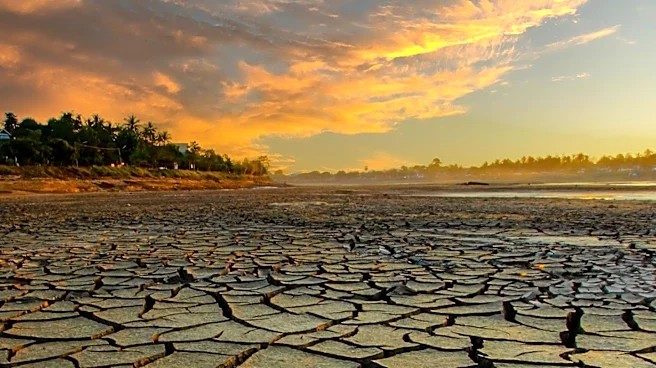
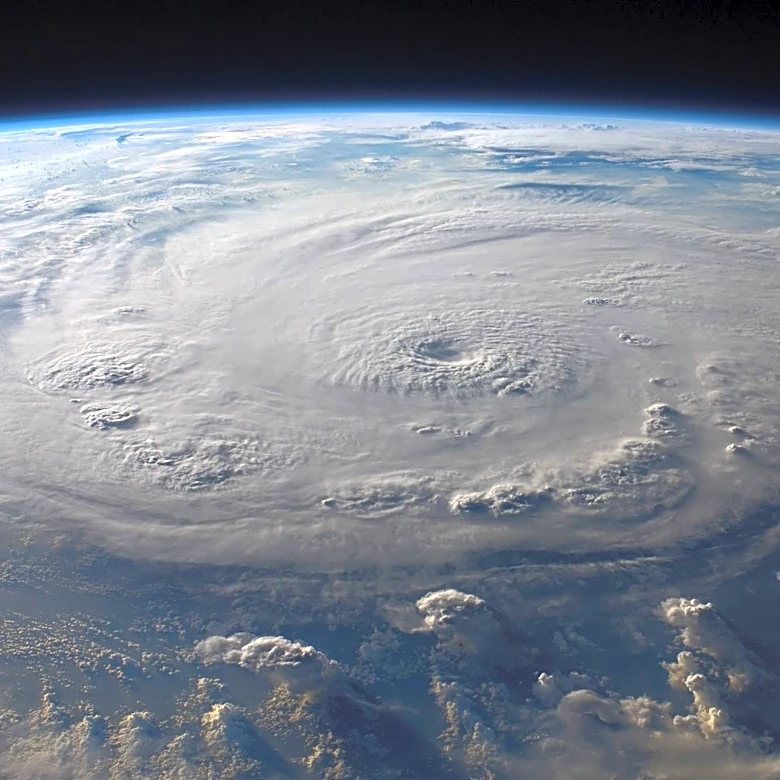
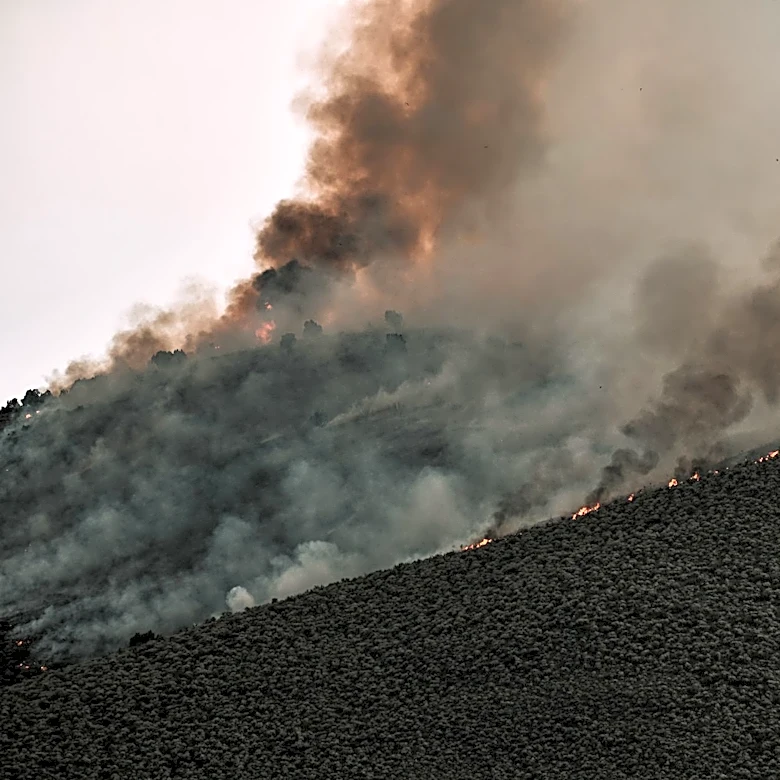
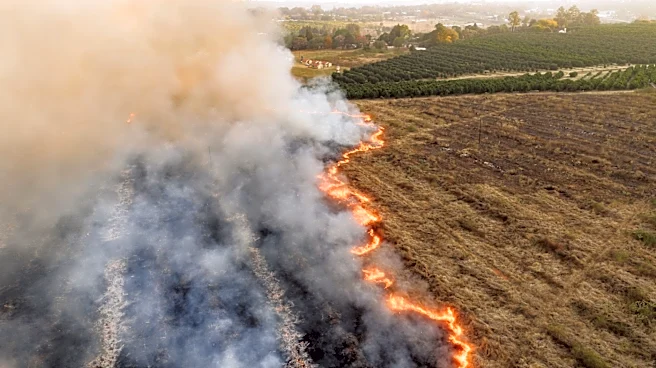
The development of a 'super' El Niño could have significant impacts on global weather patterns, including in the United States. It may lead to increased Pacific cyclones and altered weather conditions, such as warmer and drier conditions in some regions and wetter conditions in others. These changes can affect agriculture, increase the risk of natural disasters, and impact economic activities. The potential for extreme weather events highlights the need for preparedness and adaptation strategies.
What's Next?
As the El Niño develops, scientists and meteorologists will continue to monitor its progression and potential impacts. The NOAA and other forecasting agencies will provide updates and guidance on expected weather changes. Stakeholders, including governments and businesses, may need to prepare for potential disruptions and consider mitigation strategies to address the impacts of extreme weather events associated with El Niño.