



What's Happening?
A recent meta-analysis published in the journal Seminars in Arthritis and Rheumatism suggests that following an anti-inflammatory diet may lower the risk of developing rheumatoid arthritis (RA). The study analyzed data from over 270,000 adults and found
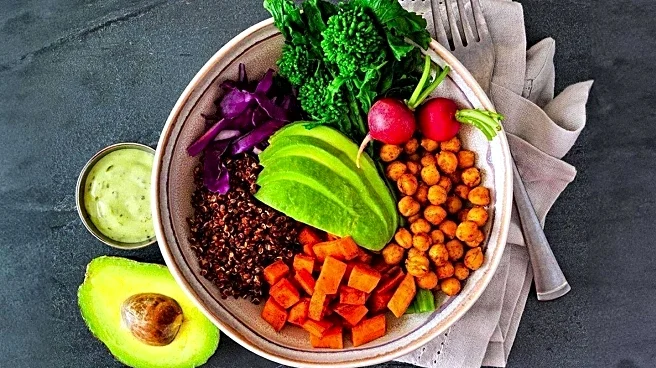
that those adhering to healthy dietary patterns, such as the Mediterranean diet, had a significantly reduced risk of RA. The anti-inflammatory diet, which emphasizes whole, minimally processed foods, was particularly effective, showing a 44% lower risk of developing the condition. This diet includes fruits, vegetables, whole grains, healthy fats, and omega-3 rich foods, while reducing ultra-processed foods and saturated fats.
Why It's Important?
The findings of this study are significant as they offer a potential dietary approach to reducing the risk of rheumatoid arthritis, a common autoimmune condition affecting 1.5 million Americans. By highlighting the benefits of anti-inflammatory diets, the study provides valuable insights for individuals at risk of RA, as well as healthcare providers seeking to offer preventive dietary advice. The research underscores the role of diet in managing inflammation and supporting immune health, which could have broader implications for preventing other chronic diseases linked to inflammation.
What's Next?
Further research may explore the specific mechanisms by which anti-inflammatory diets influence the development of rheumatoid arthritis. Healthcare providers might increasingly recommend these dietary patterns to patients with a family history of RA or other risk factors. Additionally, public health campaigns could promote awareness of the benefits of anti-inflammatory diets, encouraging more people to adopt these eating habits. The study may also inspire further investigation into the role of diet in preventing other autoimmune and inflammatory conditions.