






What's Happening?
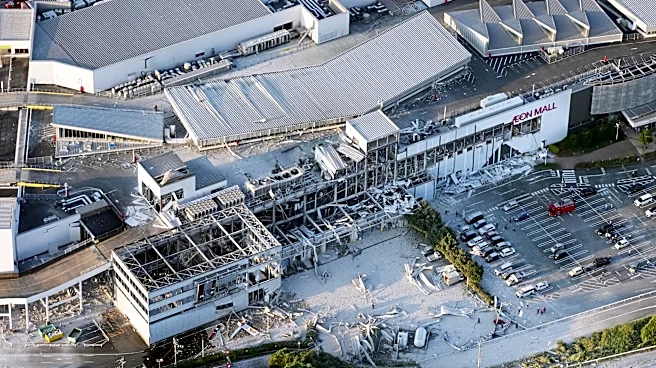
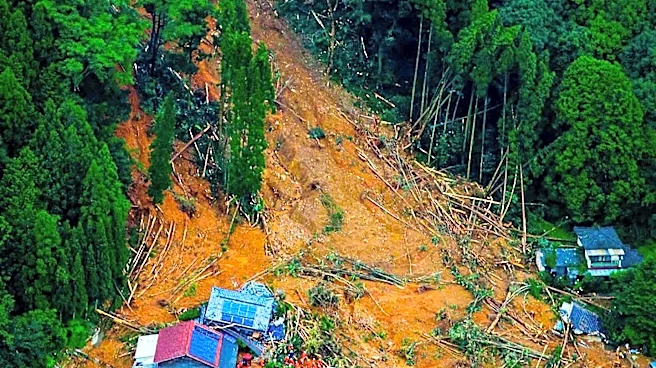
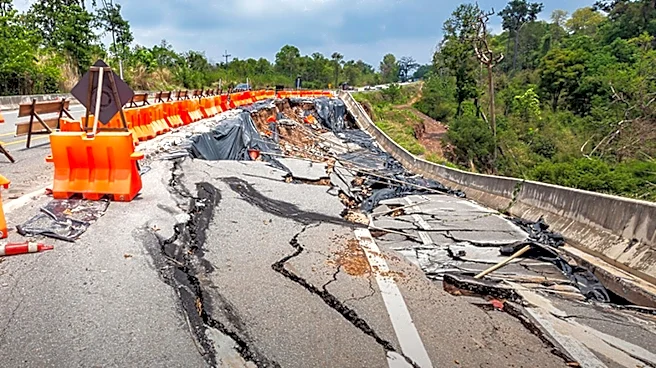
A powerful earthquake with a magnitude of 7.1 struck Japan, prompting the Japan Meteorological Agency (JMA) to issue a tsunami warning. The earthquake occurred at 4:27 p.m. local time at a depth of approximately 10 kilometers, registering at level 7 on
the Shindo seismic intensity scale, the highest level in Japan's measurement system. The warning predicts waves approximately 1 meter high could hit the shore from around 5 PM. The Japanese government issued an emergency earthquake warning for seven prefectures on the island of Kyushu, including Kumamoto, Nagasaki, Kagoshima, Fukuoka, Saga, Oita, and Miyazaki. Kyushu Electric Power Company reported no abnormalities at the Sendai and Genkai nuclear power plants, while JR Kyushu Railway Company temporarily suspended operations on several lines, including Shinkansen bullet trains, for safety checks.
Why It's Important?
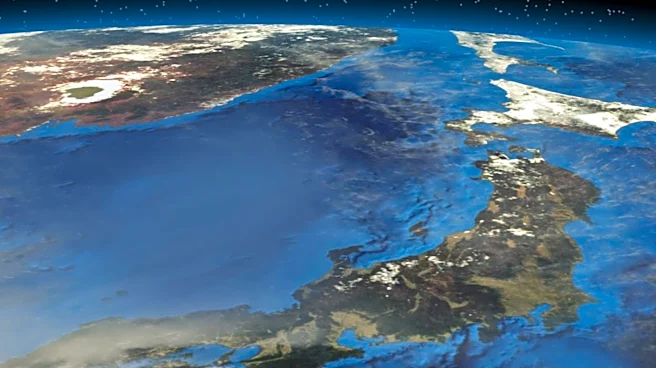
Japan is one of the most seismically active countries in the world due to its location on the Pacific Ring of Fire, accounting for approximately 20% of all earthquakes with a magnitude of 6.0 or higher globally. The earthquake and subsequent tsunami warning highlight the ongoing risk of natural disasters in the region, which can have significant impacts on infrastructure, public safety, and the economy. The suspension of railway operations and the monitoring of nuclear power plants underscore the potential disruptions to daily life and the importance of preparedness and response strategies in mitigating the effects of such events.