



What's Happening?
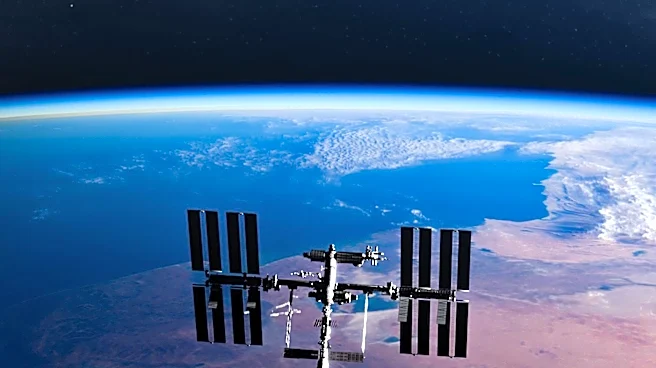
NASA is advancing the development of next-generation heat shield technologies through an innovative program that utilizes cargo resupply missions to the International Space Station (ISS). The Kentucky Reentry Probe Experiment (KREPE-3) involves attaching
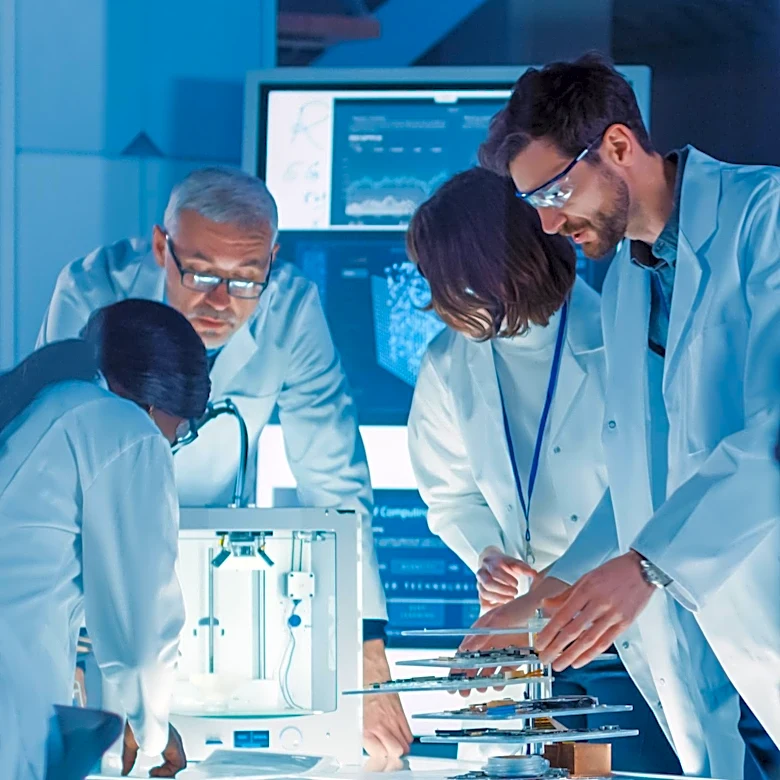
12 small, experimental capsules to Northrop Grumman's 24th cargo resupply spacecraft. These capsules, designed by University of Kentucky students, are equipped with sensors to measure temperature, pressure, motion, magnetic field, and light during atmospheric re-entry. As the Cygnus XL spacecraft, filled with waste, undocks from the ISS and harmlessly breaks apart in Earth's atmosphere, the capsules eject and collect data on the performance of various experimental heat shield materials. This method allows for low-cost, high-impact testing of materials that are still under development, including 3D-printed heat shields and advanced protective coverings like MERINO, which are made from stitched carbon and phenolic fibers. The data collected is transmitted live via satellite to researchers, providing crucial insights for future heat shield designs for missions to the Moon and Mars.
Why It's Important?
This initiative is crucial for the future of U.S. space exploration, particularly for crewed missions to the Moon and Mars. The ability to test new thermal protection materials in a real-world re-entry environment, without the high costs and risks associated with dedicated test flights, significantly accelerates development. Improved heat shield technologies are vital for ensuring the safety of astronauts and spacecraft during the extreme conditions of atmospheric re-entry, especially for missions returning from deep space. The KREPE-3 experiment also fosters collaboration between NASA centers, universities, and commercial partners, supporting the education and development of the next generation of scientists and engineers. By making the testing process more affordable and efficient, this program helps overcome budget constraints and technical challenges, ultimately strengthening America's leadership in space exploration and planetary defense. The development of lighter, more flexible, and faster-to-produce materials like MERINO could also have broader applications for commercial space ventures and other re-entry vehicle designs.
What's Next?
The data collected from the KREPE-3 capsules will be analyzed by researchers to validate computer models and refine the designs of future heat shields. This ongoing research will directly inform the development of thermal protection systems for upcoming missions, including those under the Artemis program aimed at returning humans to the Moon, and eventual crewed missions to Mars. Further iterations of the KREPE experiment are likely, continuing to leverage cargo resupply missions for cost-effective testing. The collaboration between NASA and academic institutions is expected to expand, fostering more innovative solutions and training opportunities. The insights gained will also contribute to the broader understanding of re-entry dynamics and material science, potentially leading to new applications in various fields. The success of these tests will be critical in mitigating risks for future space travelers and enabling more ambitious exploration endeavors.
Beyond the Headlines
The KREPE-3 program exemplifies a strategic shift towards more agile and cost-effective innovation in space technology. By repurposing routine cargo missions for critical research, NASA is demonstrating a model of efficiency that could be applied to other areas of space development. This approach not only saves resources but also provides invaluable real-world data that is difficult to replicate in laboratory settings. The involvement of university students in designing these capsules highlights a commitment to STEM education and workforce development, ensuring a pipeline of talent for future space endeavors. Furthermore, the focus on planetary defense, as seen in the testing of designs for missions like Dragonfly to Titan, underscores the interconnectedness of various space initiatives. The ethical implications of space debris are also subtly addressed, as the program utilizes discarded spacecraft for scientific gain before their planned atmospheric demise, turning 'trash into treasure' and minimizing environmental impact.