






What's Happening?
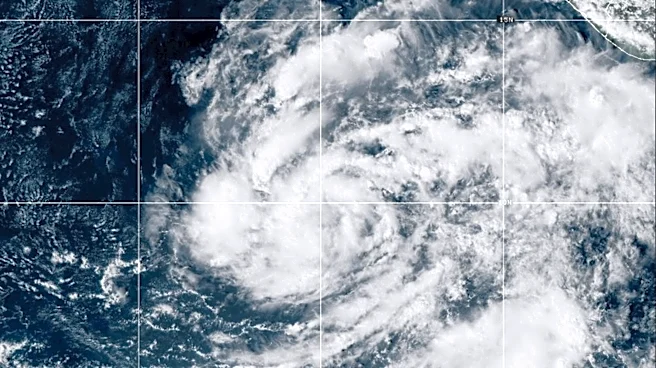
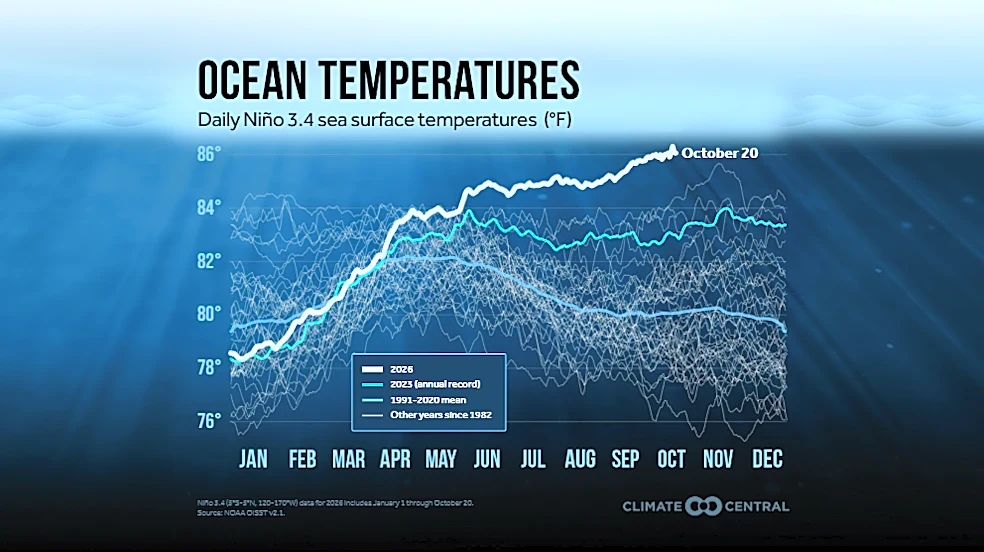
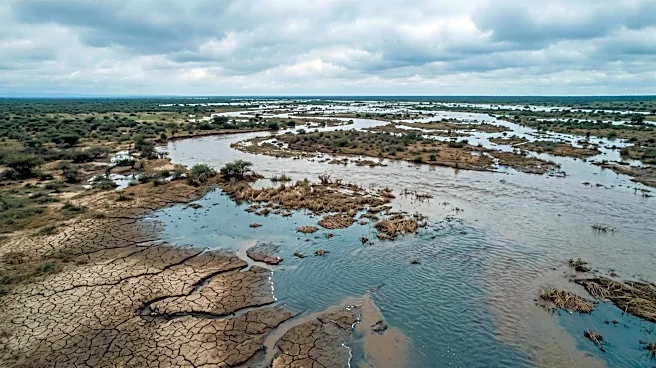
Oxfam has issued a stark warning regarding a looming humanitarian crisis in Somalia, where an estimated 874,000 people could be displaced within the next three months due to severe flooding. This threat is exacerbated by climate-related pressures and
a potentially strengthening El Niño phenomenon. The International Organization for Migration (IOM) projects that 92% of these displacements will be flood-related. Somalia, along with Sudan and South Sudan, faces the risk of famine, while large parts of the Sahel are vulnerable to water shortages. Oxfam highlights that funding for El Niño preparedness and response is critically low, with significant cuts in international aid from major donors, including the US and Germany. Currently, only $450 million is available globally, far short of what is needed to protect vulnerable communities from anticipated droughts and floods, which could peak in April next year.
Why It's Important?
The impending crisis in Somalia underscores the severe global impact of climate change and the critical need for adequate humanitarian funding. The displacement of nearly a million people would overwhelm existing resources and infrastructure, exacerbating food insecurity, health crises, and social instability. The lack of sufficient funding for El Niño preparedness leaves already vulnerable communities exposed to extreme weather events, leading to a cycle of displacement and increased reliance on emergency aid. Cuts in international aid from countries like the US and Germany have significant implications, as they reduce the capacity of organizations like Oxfam to implement preventative measures and provide timely assistance. This situation highlights a broader challenge in international development: the gap between escalating climate-induced humanitarian needs and the financial resources allocated to address them, potentially leading to widespread suffering and further destabilization in already fragile regions.
What's Next?
As El Niño conditions are expected to intensify, the immediate future for Somalia involves a high risk of widespread displacement and humanitarian suffering. Aid organizations like Oxfam and IOM are urgently calling for increased international support to fund preparedness and early intervention efforts. Without substantial and immediate financial contributions, communities will remain highly vulnerable to the anticipated heavy rainfall and flooding. The focus will be on providing emergency relief, including shelter, food, clean water, and medical assistance to those displaced. Additionally, there will be continued advocacy for long-term solutions to climate resilience and sustainable development in affected regions. The effectiveness of the response will largely depend on the willingness of international donors to reverse aid cuts and provide the necessary resources to mitigate the devastating impacts of the impending climate-related disasters.
Beyond the Headlines
The situation in Somalia reflects a broader global pattern where climate change disproportionately affects vulnerable populations, leading to increased forced migration and humanitarian crises. The underfunding of climate-related disaster preparedness highlights a critical ethical and policy dilemma for donor nations. While the immediate focus is on providing aid, the long-term implications include increased pressure on international migration systems, potential for regional instability, and a deepening cycle of poverty and displacement. This crisis also brings to light the interconnectedness of climate, conflict, and human security, as communities already recovering from drought and conflict are now facing new climate-induced threats. Addressing these challenges requires not only emergency funding but also a fundamental shift towards proactive climate adaptation strategies, equitable resource distribution, and robust international cooperation to support the most vulnerable nations in building resilience against future climate shocks.