




What's Happening?
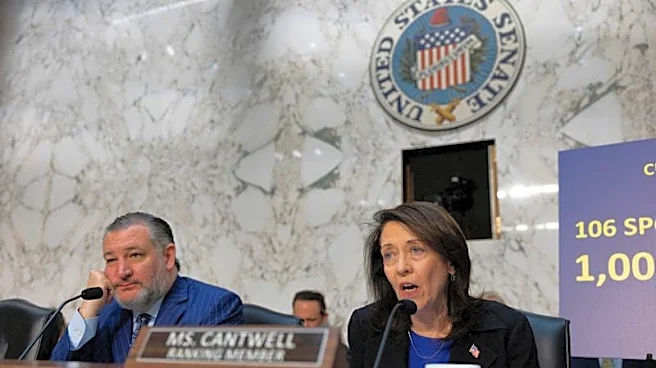
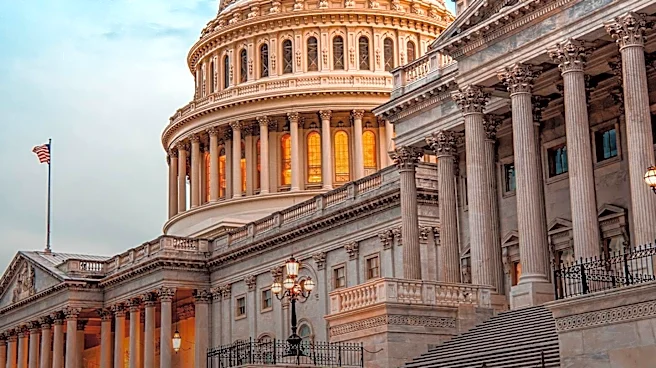
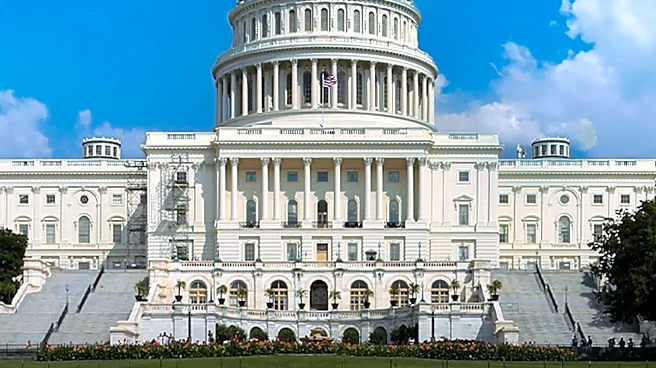
U.S. Senators Maria Cantwell (D-Wash.), Roger Wicker (R-Miss.), John Hickenlooper (D-Colo.), and Cindy Hyde-Smith (R-Miss.) have introduced the bipartisan Cooperative Institute Act of 2026. This legislation aims to codify the National Oceanic and Atmospheric
Administration’s (NOAA) long-standing Cooperative Institute (CI) program into statute. The goal is to ensure NOAA maintains its nationwide network of academic research partnerships, which conduct research directly supporting NOAA’s operational mission. These institutes contribute to improving hurricane forecasts, storm surge prediction, fisheries science, coastal resilience, drought and wildfire monitoring, and atmospheric river and flood forecasting. Senator Hyde-Smith emphasized that the act would provide greater certainty for NOAA and universities like Mississippi State and Southern Miss in understanding, protecting, and harnessing natural resources. She specifically mentioned the Northern Gulf Institute and the Cooperative Institute for Fostering Aquaculture Research and Markets, which benefit Coastal Mississippi, as programs that would continue to benefit the nation. The bill is national in scope and seeks broad congressional support. It would direct NOAA to maintain the CI program for collaborative research, education, workforce development, and public outreach, establishing a permanent framework for CIs, defining eligibility, program goals, and responsibilities.
Why It's Important?
Codifying NOAA’s Cooperative Institute program is crucial for ensuring the long-term stability and effectiveness of vital scientific research that directly impacts U.S. communities and industries. These institutes are instrumental in advancing weather forecasting, which saves lives and protects property from natural disasters like hurricanes, floods, and wildfires. Their work in fisheries science supports the commercial and recreational fishing industries, contributing to economic stability in coastal regions. By strengthening coastal resilience, the CIs help communities adapt to climate change and sea-level rise. The legislation provides a permanent framework, which will foster consistent funding and strategic planning for these academic partnerships, allowing for sustained innovation and the training of future generations of scientists. This bipartisan effort underscores the recognition of the critical role these scientific collaborations play in national security, economic prosperity, and public safety. Without statutory backing, these programs could be vulnerable to budget cuts or administrative changes, potentially disrupting essential research and its benefits.
What's Next?
The Cooperative Institute Act of 2026 will now proceed through the legislative process in Congress. It will likely be reviewed by relevant committees, such as the Senate Committee on Commerce, Science and Transportation, where it may undergo hearings and markups. For the bill to become law, it must pass both the Senate and the House of Representatives and then be signed by the President. Given its bipartisan support, the bill has a strong chance of advancing. If enacted, NOAA would be directed to maintain the CI program, establish new CIs through merit-based competitions, and continue supporting students and postdoctoral researchers. This would provide long-term stability for the existing network of Cooperative Institutes and ensure NOAA's ability to respond to emerging scientific priorities. The legislation would also reinforce the collaboration between NOAA and academic institutions, enhancing scientific capacity across the nation.
Beyond the Headlines
Beyond the immediate benefits of scientific research, codifying NOAA’s Cooperative Institutes has broader implications for the U.S. scientific enterprise and its global standing. By formalizing these partnerships, the U.S. reinforces its commitment to science-driven policy and evidence-based decision-making. This move also strengthens the pipeline for scientific talent, as CIs are crucial for workforce development, training the next generation of oceanographers, meteorologists, and environmental scientists. The stability provided by statutory backing can encourage more ambitious, long-term research projects that address complex environmental challenges, such as climate change and sustainable resource management. Furthermore, these collaborations foster a culture of innovation by bringing together federal scientists with diverse academic perspectives. In an era where scientific integrity and funding can be subject to political fluctuations, this bipartisan effort signals a recognition of the enduring value of sustained scientific investment for national well-being and global leadership in environmental science.