






What's Happening?
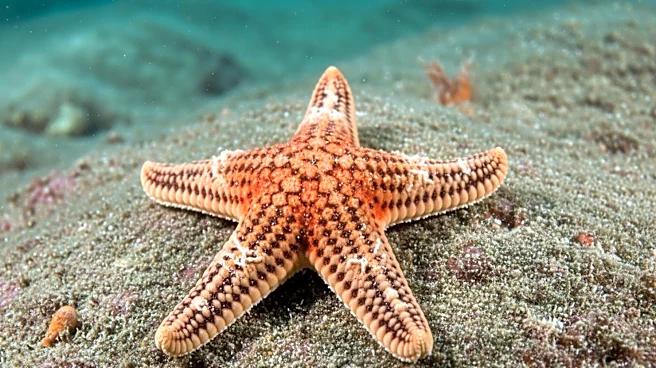
Scientists at the University of Vermont have identified early genetic and microbial indicators of sea star wasting disease, a condition that has devastated starfish populations along the North American west coast since 2013. The disease causes starfish to disintegrate,
leading to significant ecological impacts. The research team, led by Andrew McCracken, used tissue samples from sea stars in Alaska to study gene activation in response to the disease. They discovered that sunflower sea stars exhibit an immune response and microbiome shifts before visible symptoms appear. These findings could help identify resistant phenotypes and improve understanding of the disease's mechanism.
Why It's Important?
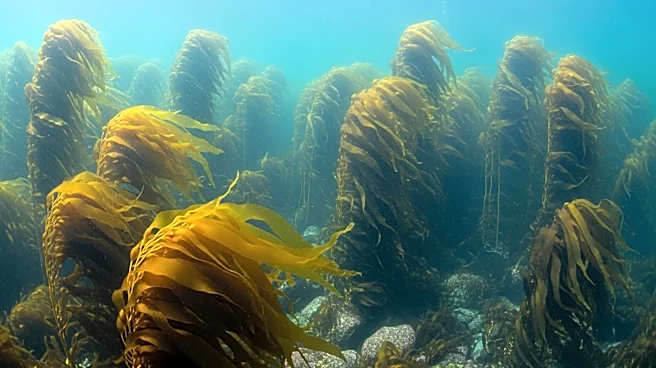
The discovery of early indicators of sea star wasting disease is significant for marine ecology and conservation efforts. Sea stars play a crucial role in maintaining the balance of marine ecosystems, particularly in controlling sea urchin populations that threaten kelp forests. Understanding the disease's early stages could lead to the development of strategies to protect vulnerable species and preserve marine biodiversity. Additionally, this research highlights the importance of genetic and microbial studies in addressing ecological challenges, potentially informing future conservation policies and practices.
What's Next?
The research team plans to further investigate the early interactions and mechanisms of sea star wasting disease. By identifying resistant phenotypes, scientists hope to develop conservation strategies that could mitigate the disease's impact on marine ecosystems. This may involve breeding programs or habitat management to support resilient sea star populations. The findings could also prompt further research into similar diseases affecting other marine species, contributing to broader efforts to protect ocean biodiversity in the face of environmental changes.