


What's Happening?
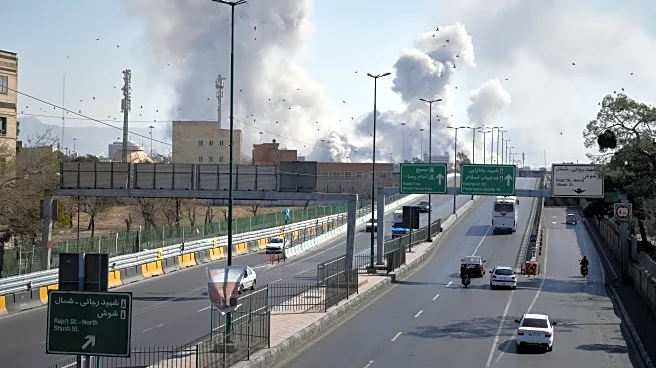
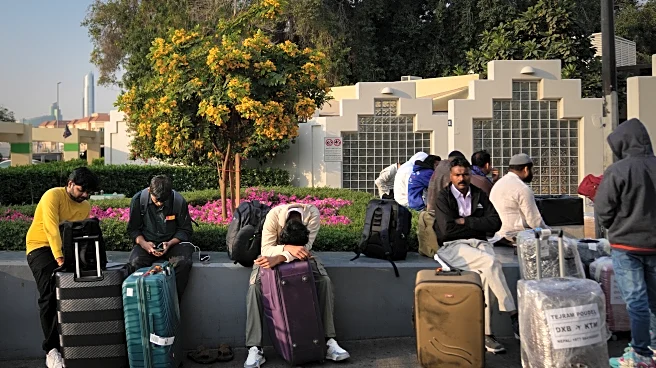
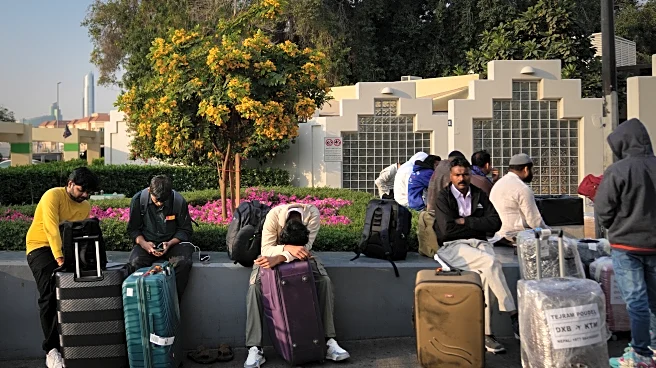
The ongoing conflict involving the United States, Israel, and Iran has led to significant disruptions in global air travel, particularly affecting Dubai International Airport, the world's busiest international travel hub. The conflict has resulted in over
a million passengers experiencing flight cancellations. Iranian strikes on the UAE have exacerbated the situation, causing chaos at the airport. This development follows the recent military actions by the United States and Israel against Iran, which have had widespread repercussions on international travel and logistics.
Why It's Important?
The disruption at Dubai International Airport highlights the broader impact of geopolitical conflicts on global travel and commerce. As a major transit hub, any operational issues at Dubai can ripple through the global travel network, affecting airlines, passengers, and related industries. The situation underscores the vulnerability of international travel to geopolitical tensions, which can lead to economic losses for airlines and inconvenience for travelers. Additionally, the conflict may prompt airlines to reassess their routes and schedules, potentially leading to longer travel times and increased costs.
What's Next?
Airlines and travel authorities are likely to monitor the situation closely, adjusting flight schedules and routes to minimize disruptions. Travelers may need to prepare for potential delays and cancellations, and consider alternative routes. The ongoing conflict could lead to further diplomatic efforts to de-escalate tensions, which would be crucial in restoring normalcy to international travel. Stakeholders, including governments and airlines, may also explore contingency plans to mitigate the impact of such geopolitical events in the future.