







What's Happening?
Midwest corn and soybean producers, along with agriculture students, are invited to participate in a new survey conducted by the University of Nebraska–Lincoln (UNL). The survey aims to gather insights into their perceptions of, trust in, and readiness
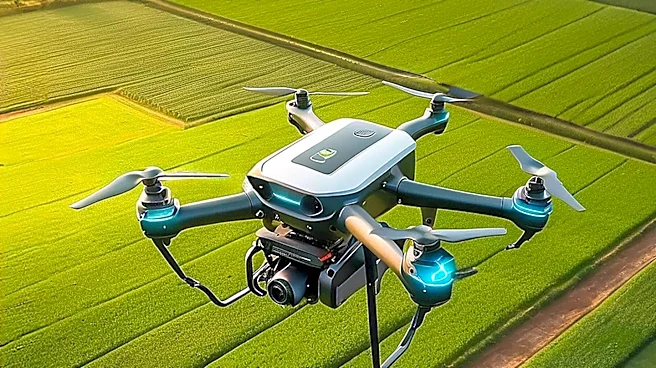
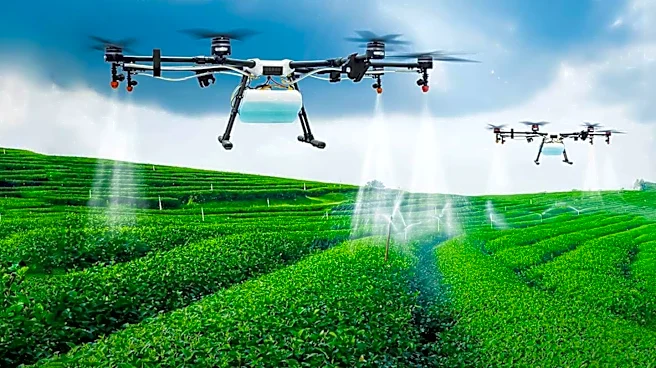
to use AI-enabled agricultural tools. These tools encompass a range of technologies, including yield prediction systems, variable-rate input applications, irrigation decision tools, pest and disease detection platforms, remote sensing tools, and AI-based advisory systems. Researchers hope to understand the factors that either encourage or limit the adoption of these advanced technologies among current farmers and the next generation of agricultural professionals. The anonymous survey is open to individuals aged 19 or older who are either involved in Midwest corn and soybean production or are university students enrolled in agriculture-related academic programs in the Midwest. Participation is voluntary and takes approximately 10–12 minutes to complete, with a deadline of Sunday, December 20, 2026.
Why It's Important?
This survey is important because artificial intelligence is rapidly transforming the agricultural sector, offering solutions to enhance productivity, sustainability, and resilience against environmental challenges. Understanding the perspectives of those directly involved in farming—both current producers and future professionals—is crucial for the successful integration and adoption of AI technologies. The insights gained will help researchers and developers tailor AI tools to meet the practical needs and address the concerns of the agricultural community. Factors such as trust, perceived benefits, ease of use, and potential barriers to adoption can significantly influence how quickly and effectively these technologies are implemented. By identifying these factors, the survey can inform policy decisions, educational programs, and research priorities, ensuring that AI development in agriculture is aligned with the realities of farming practices. Ultimately, this initiative aims to bridge the gap between technological innovation and practical application, fostering a more efficient and sustainable agricultural future in the Midwest and beyond.
What's Next?
Following the survey's completion on December 20, 2026, UNL researchers, including Jean Claude Niyomugabo and Heather Akin, will analyze the collected data to identify key trends and insights regarding AI adoption in Midwest agriculture. The findings will likely be disseminated through academic publications, agricultural conferences, and outreach programs to inform stakeholders across the industry. This information will be instrumental in guiding the development of more user-friendly and effective AI tools, as well as in designing educational initiatives to prepare both current and future farmers for the technological shifts. The insights could also influence agricultural policy, potentially leading to support programs or incentives for AI adoption. The long-term goal is to foster a more technologically advanced and resilient agricultural sector, capable of addressing challenges such as climate change, resource scarcity, and food security through intelligent solutions.
Beyond the Headlines
The integration of AI in agriculture, as explored by this survey, has profound implications beyond immediate productivity gains. It touches upon the ethical considerations of data privacy and ownership, as AI systems rely heavily on vast amounts of farm data. Questions arise about who controls this data, how it is used, and whether it creates new dependencies for farmers on technology providers. Furthermore, the increasing sophistication of AI tools could exacerbate the digital divide, potentially leaving behind smaller farms or those with limited access to technology and training. There's also a cultural dimension, as traditional farming practices meet cutting-edge technology, requiring a shift in mindset and skill sets for agricultural workers. The long-term impact on rural economies and communities, including potential job displacement or the creation of new specialized roles, will be a critical area of study. This survey is a foundational step in understanding how to navigate these complex ethical, social, and economic transformations to ensure that AI in agriculture benefits all stakeholders equitably.