






What's Happening?
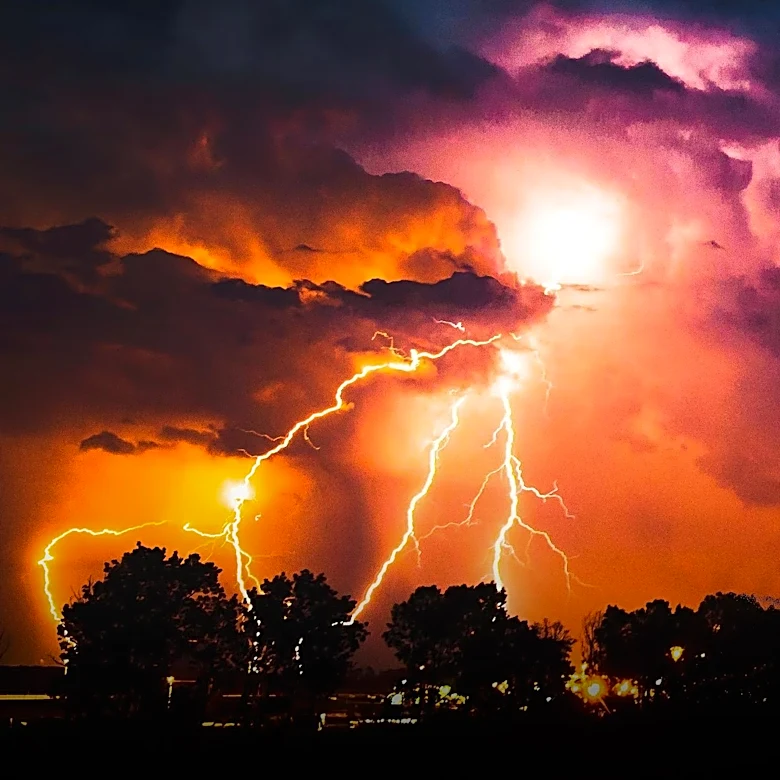
Experts are warning that extreme heat, like that experienced on this year's Independence Day, could become a regular occurrence in the U.S. due to climate change. The heat dome over the Midwest and Atlantic coast led to severe storms and flash flooding.
Many cities canceled or adjusted holiday events in response to the heat, which resulted in numerous heat-related illnesses and deaths. The frequency of heat waves in the U.S. has doubled since the 1980s, driven by climate change.
Why It's Important?
The increasing frequency and intensity of heat waves pose significant public health risks and challenge existing infrastructure. This trend underscores the urgent need for climate adaptation strategies and policies to mitigate the effects of climate change. The situation highlights the importance of reducing greenhouse gas emissions and preparing communities for more extreme weather conditions. Public awareness and policy changes are crucial to addressing these challenges and protecting vulnerable populations.
What's Next?
Communities and policymakers may need to implement more robust climate adaptation measures, such as improving emergency response systems, enhancing public health infrastructure, and promoting energy efficiency. There may also be increased pressure on governments to take more aggressive action on climate change, including international cooperation and investment in renewable energy. Public education campaigns could play a role in raising awareness about the impacts of climate change and encouraging individual and collective action.