





What's Happening?
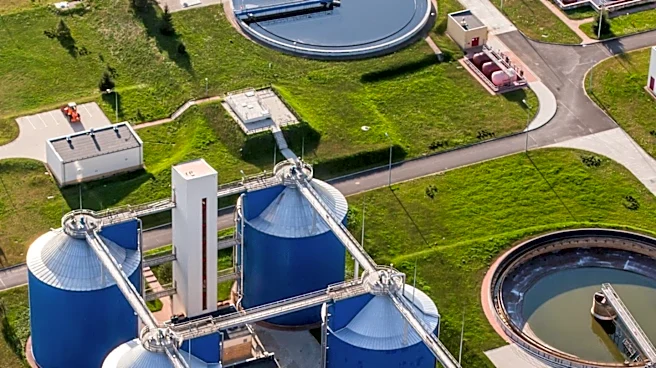
Water utilities across at least 12 states, including South Dakota, have reported cyberattacks on their operational technology, with the campaign allegedly linked to Iranian hackers. The Cybersecurity and Infrastructure Security Agency (CISA) has issued
advisories warning that these attacks target internet-connected operational technology devices, such as programmable logic controllers (PLCs). The FBI has noted that since July 27, water and wastewater utilities in several states have experienced disruptions. In Georgia, the Clayton County Water Authority confirmed a temporary disruption in its systems, leading to a precautionary boil water advisory, which has since been lifted. The attacks have resulted in operational challenges, including boil water notices and manual operations.
Why It's Important?
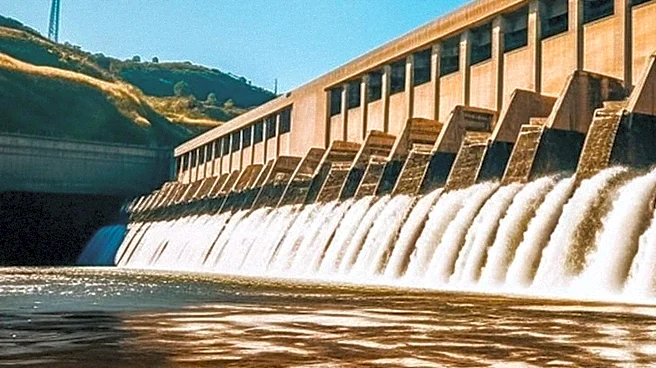
The cyberattacks on water systems highlight significant vulnerabilities in critical infrastructure, posing potential risks to public health and safety. These incidents underscore the need for enhanced cybersecurity measures to protect essential services. The attacks could undermine public trust in government capabilities to safeguard vital resources, especially as water utilities support military installations and data centers. The situation also reflects broader geopolitical tensions, with Iran allegedly targeting U.S. infrastructure in retaliation for past cyber operations. The attacks could have far-reaching implications for national security and economic stability, emphasizing the importance of robust cybersecurity defenses.
What's Next?
Federal agencies, including the FBI and CISA, are working to mitigate the threat and protect utilities from further intrusions. Organizations are urged to remove PLCs from the internet, implement firewalls, and establish secure communication protocols. The ongoing investigation may lead to increased regulatory measures and funding to bolster cybersecurity in critical infrastructure sectors. Stakeholders, including government officials and utility operators, are likely to push for more comprehensive cybersecurity strategies to prevent future attacks and ensure the resilience of essential services.