



What's Happening?
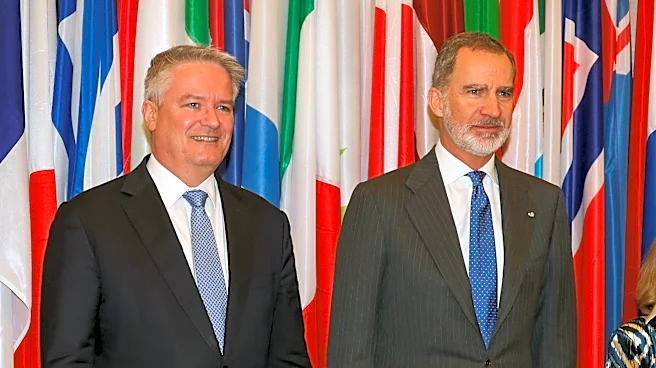
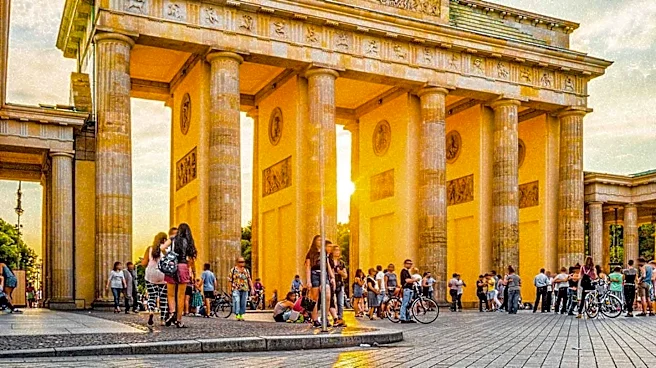
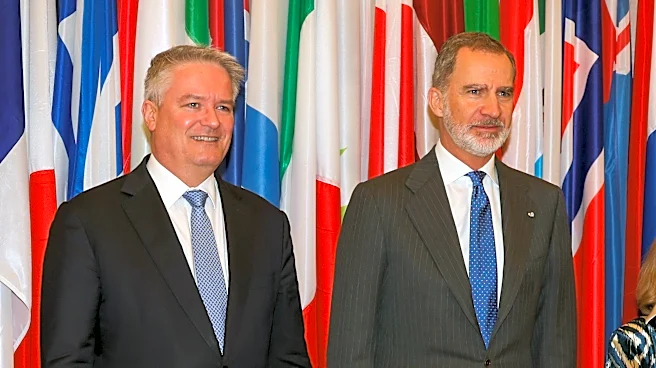
King Felipe VI of Spain recently received the letters of credence from six new ambassadors at the Royal Palace in Madrid. The ambassadors represent Malta, Honduras, Austria, Estonia, Germany, and Iraq. This formal ceremony is a long-standing tradition,
dating back to the 18th century, and signifies the official accreditation of these diplomatic representatives to Spain. Each ambassador presented their document, which formally establishes them as the highest diplomatic authority of their respective countries in Spain. The Royal Household emphasized the historical continuity of this ritual, noting that it has been maintained almost intact for centuries. The event underscores Spain's diplomatic relations with a diverse group of nations, including European Union members, a Central American Spanish-speaking partner, and a country from the Middle East.
Why It's Important?
The reception of new ambassadors by King Felipe VI is a crucial step in international diplomacy, formally establishing the channels for bilateral relations between Spain and the six represented nations. For the United States, these diplomatic interactions are significant as they contribute to the broader geopolitical landscape. Strong diplomatic ties between Spain and countries like Germany and Iraq can influence regional stability and international cooperation on issues of mutual interest, such as trade, security, and cultural exchange. The formal accreditation allows these ambassadors to fully engage in their duties, which can impact international policy discussions and collaborations that may indirectly affect U.S. interests and alliances. The ceremony itself, steeped in tradition, reinforces the importance of established diplomatic protocols in maintaining international order.
What's Next?
Following the presentation of their credentials, the newly accredited ambassadors will commence their full diplomatic duties in Spain. This typically involves engaging with various Spanish ministries, other embassies, and key institutions in Madrid to advance their respective countries' interests. Their initial activities will likely focus on establishing working relationships and identifying areas for cooperation. For Spain, this means continued engagement on bilateral and multilateral issues with these six nations. The ongoing diplomatic efforts will contribute to Spain's foreign policy objectives, including strengthening ties within the European Union, fostering relationships in Latin America, and maintaining its presence in the Middle East. These interactions will shape future collaborations and potential agreements across various sectors.
Beyond the Headlines
The ceremony of presenting letters of credence, while seemingly a formality, carries deeper symbolic and practical implications. It represents the formal recognition of state sovereignty and the mutual commitment to diplomatic engagement. In an era of evolving international relations, the adherence to such historical protocols underscores the enduring value of traditional diplomacy. The diverse group of nations represented—from European partners to countries in Central America and the Middle East—highlights Spain's broad diplomatic reach and its role as a bridge between different regions. This event also subtly reinforces the role of the monarchy in Spain as a symbol of state continuity and a figurehead in international relations, providing a stable point of contact for foreign governments regardless of political changes within the country.