








What's Happening?
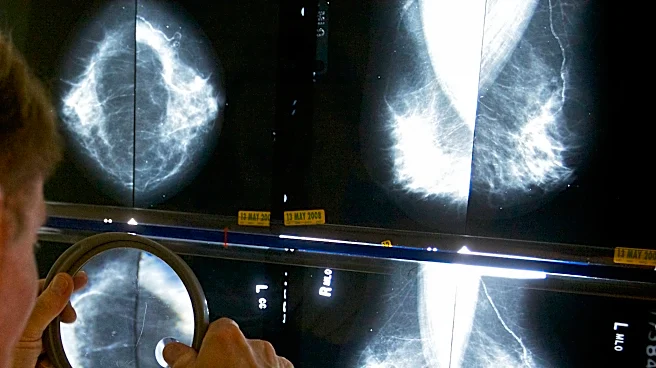
The guidelines for when women should begin routine mammograms are causing confusion due to conflicting recommendations from various health organizations. The American College of Physicians recently advised that women aged 50 to 74 at average risk should have
mammograms every other year. This contrasts with the U.S. Preventive Services Task Force, which suggests starting biennial screenings at age 40. The American Cancer Society recommends annual mammograms for women aged 45 to 54, with the option to start at 40. These discrepancies arise because breast cancer risk varies significantly among individuals, and current guidelines are based on average risk profiles. Dr. Laura Esserman from the University of California, San Francisco, is leading research to develop more personalized screening advice. Over 320,000 women in the U.S. are expected to be diagnosed with breast cancer this year, making it the second most common cause of cancer death among women.
Why It's Important?
The differing guidelines highlight the complexity of breast cancer screening and the challenge of balancing early detection with the potential harms of over-screening, such as stress and unnecessary procedures. The lack of consensus can lead to confusion among women and healthcare providers, potentially impacting the effectiveness of breast cancer prevention strategies. Understanding individual risk factors, such as genetic predispositions and breast density, is crucial for tailoring screening schedules. The ongoing research into personalized screening could lead to more effective and less invasive cancer detection methods, ultimately improving outcomes for women at varying risk levels.
What's Next?
Future developments in breast cancer screening may include the integration of genetic testing and AI tools to better assess individual risk and optimize screening schedules. The WISDOM trial, which uses a combination of genetic, lifestyle, and health data to determine screening frequency, is one such initiative. As research progresses, these personalized approaches could influence future guidelines, providing clearer direction for women and healthcare providers. In the meantime, women are encouraged to discuss their personal risk factors with their doctors to make informed decisions about their screening schedules.