







What's Happening?
Georgia Power customers are experiencing significant increases in their electricity bills, particularly during the summer months. Some residents, like Donica Odell, have seen their monthly bills reach nearly $600, a substantial rise compared to winter
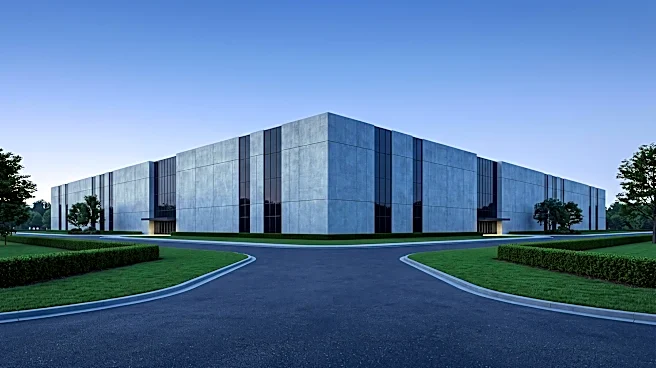
averages of around $120. This surge in costs follows the completion of the nuclear-powered Plant Vogtle and is exacerbated by the utility's efforts to secure additional power resources to meet the growing demand from data centers. Georgia Power, the state's largest utility, has one of the highest rates of utility disconnections nationwide. A study by the Energy and Policy Institute reported 187,007 disconnections out of nearly 2.5 million customers in 2024, placing Georgia Power 10th nationally. The problem intensifies in the summer when disconnections rise concurrently with soaring temperatures, leaving households without essential air conditioning.
Why It's Important?
The escalating electricity costs in Georgia have a profound impact on the financial well-being of residents, particularly during periods of extreme heat when air conditioning is crucial for health and safety. The high rate of utility disconnections highlights a significant public welfare issue, as vulnerable populations are left without power, potentially leading to health crises. The situation also raises questions about the economic promises made regarding Plant Vogtle, which was initially touted to provide cheap electricity. The increased demand from data centers is a growing factor in energy consumption, suggesting a broader trend where industrial growth can strain existing infrastructure and lead to higher costs for residential consumers. This scenario underscores the challenges utilities face in balancing energy supply, demand, and affordability for their customer base.
What's Next?
As summer temperatures continue, Georgia Power customers can anticipate ongoing struggles with high electricity bills and potential disconnections. The utility will likely continue to seek additional power resources to meet demand, which could further impact rates. There may be increased scrutiny from consumer advocacy groups and regulatory bodies regarding Georgia Power's billing practices and disconnection policies. The long-term implications of data center expansion on the state's energy grid and consumer costs will likely be a subject of ongoing debate and policy discussions. Residents may explore energy assistance programs or conservation methods to mitigate the financial burden, while policymakers might consider interventions to protect consumers from excessive utility costs.
Beyond the Headlines
The situation in Georgia reflects a complex interplay of energy policy, infrastructure development, and economic shifts. The promise of affordable nuclear energy from Plant Vogtle has not materialized for many ratepayers, leading to a crisis of trust between the utility and its customers. The rapid expansion of data centers, while bringing economic development, also presents a significant challenge to energy grids, potentially creating a two-tiered system where industrial consumers' needs drive up costs for residential users. This raises ethical questions about equitable access to essential services and the social responsibility of large corporations. The issue also highlights the broader vulnerability of communities to climate change, as reliance on air conditioning during hotter summers becomes a necessity, not a luxury, making affordable electricity a critical public health concern.